

 French
  English
  Arabic
  German
  Italian
  Portuguese
  Russian
  Spanish
  Turkish
Disaster Relief in Hours, Not Days: The GS Housing Emergency Container Solution
Disaster Relief in Hours, Not Days: The GS Housing Emergency Container Solution
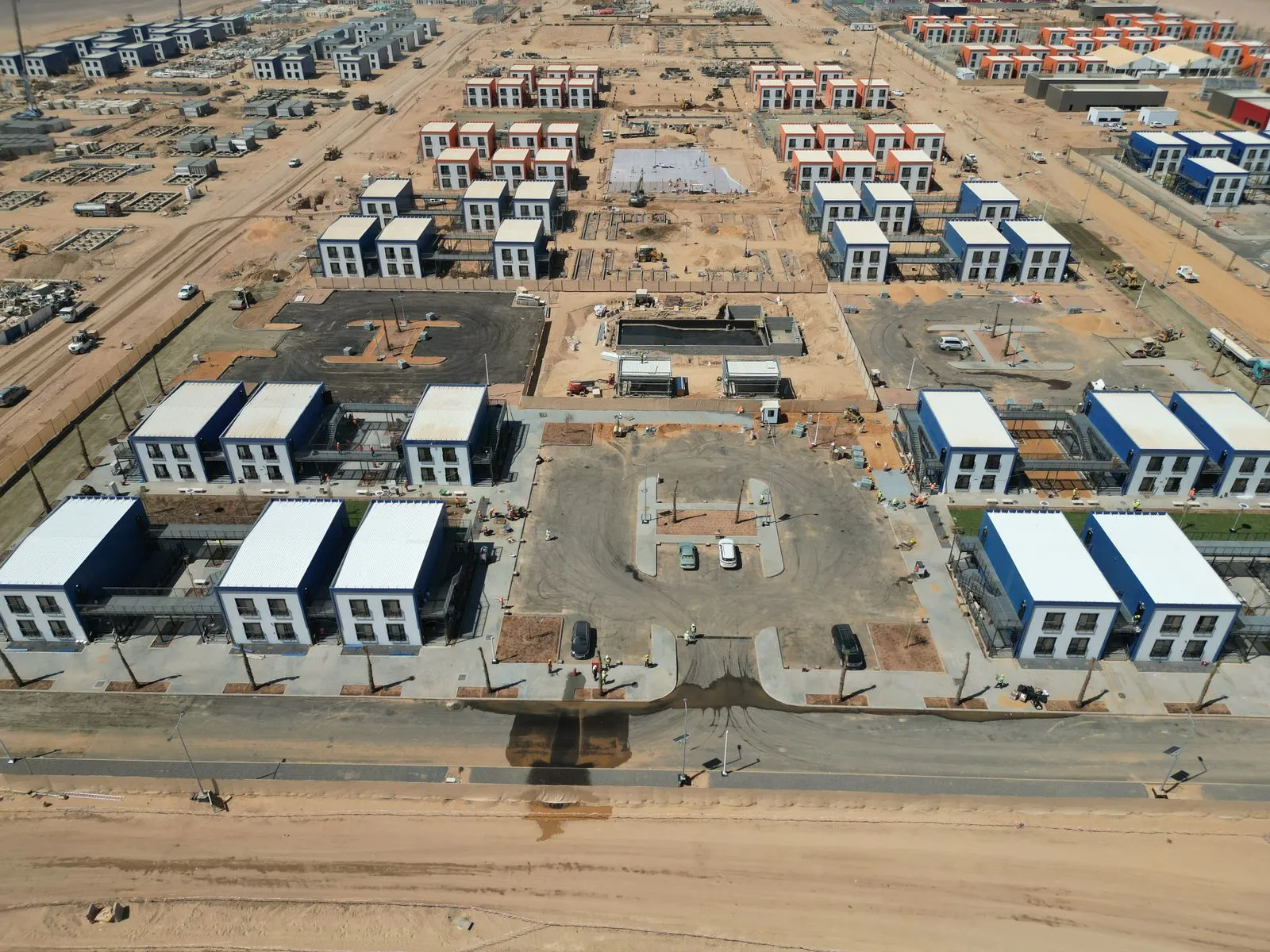
Disasters rarely give people enough time to prepare. One moment everything feels normal; the next, homes are destroyed and basic facilities stop functioning. In those situations, the first thing people look for is a safe place to stay—somewhere clean, solid, and sheltered from rain or cold nights. GS Logement, with production bases in Guangdong, Jiangsu, Sichuan, Tianjin, and Liaoning, has been deeply involved in this field. Their flat-pack container houses are used in rescue camps, temporary classrooms, emergency clinics, and even command centers. The company’s experience and large-scale manufacturing allow these units to be ready in hours rather than days, which is often the difference between chaos and stability after a disaster.
What Makes Emergency Container Houses Essential for Rapid Disaster Response?
When disaster strikes, everything becomes unpredictable. Roads may be blocked, weather may turn worse, and people’s emotions are shaky. Traditional shelters can only handle the very short term. They protect from wind, yes, but they don’t support real daily life. That’s why modular container houses are now widely used. They give affected families something closer to a real room, with doors, windows, noise control, and insulation.
Factory-Prefabricated Structural Modules Enabling Fast Production
GS Housing builds these structures inside factories using steel frames, CNC machines, and standardized parts. Since modules are made ahead of time, production runs smoothly even when orders come in urgently.
Flat-Pack Designs Supporting Quick Transportation and On-Site Assembly
Flat-pack means all parts stay compact during transport. Trucks can carry more units at once, which is important when the only available roads are narrow or damaged. On site, a small team can put the pieces together with simple steps.
Durable Steel Frames Ensuring Safety in Harsh Post-Disaster Environments
The frame uses steel with protective coatings, giving the building strength even in stormy weather or aftershock conditions. For those who have experienced disasters, this sense of security is of vital importance.
How Do China Emergency Container Houses Reduce Deployment Time After Earthquakes and Floods?
After major disasters, response teams often rush against time. They need to build organized shelter areas quickly, and delays can bring more challenges. China’s modular housing industry has grown rapidly, and many of its systems—including GS Housing’s flat-pack series—are designed specifically to bring down waiting time.
1–2 Hour Installation Efficiency Achieved Through Modular Engineering
Most GS Housing units can be assembled within one to two hours once delivered. The holes are pre-cut, the connections are prepared, and the electrical lines are positioned inside the panels. Workers don’t need special tools or advanced construction skills.
Simplified Foundation Requirements Suitable for Complex Terrain
Earthquakes and floods usually leave the ground uneven. Container houses only need simple blocks or leveling adjustments to stand firmly, so installation teams can start working shortly after arriving.
Pre-Installed Electrical and Plumbing Systems Minimizing On-Site Work
Light switches, wiring, and piping interfaces are already inside each module when it leaves the factory. This reduces on-site installation time and prevents extra mistakes during stressful rescue operations.
How Does Modular Design Improve Large-Scale Emergency Camp Construction?
Setting up one shelter is easy. Setting up hundreds is a different story. The good thing about modular design is its flexibility. Relief organizations often extend camps as more people arrive or as weather conditions change.
Flexible Multi-Unit Configurations Supporting Rapid Camp Expansion
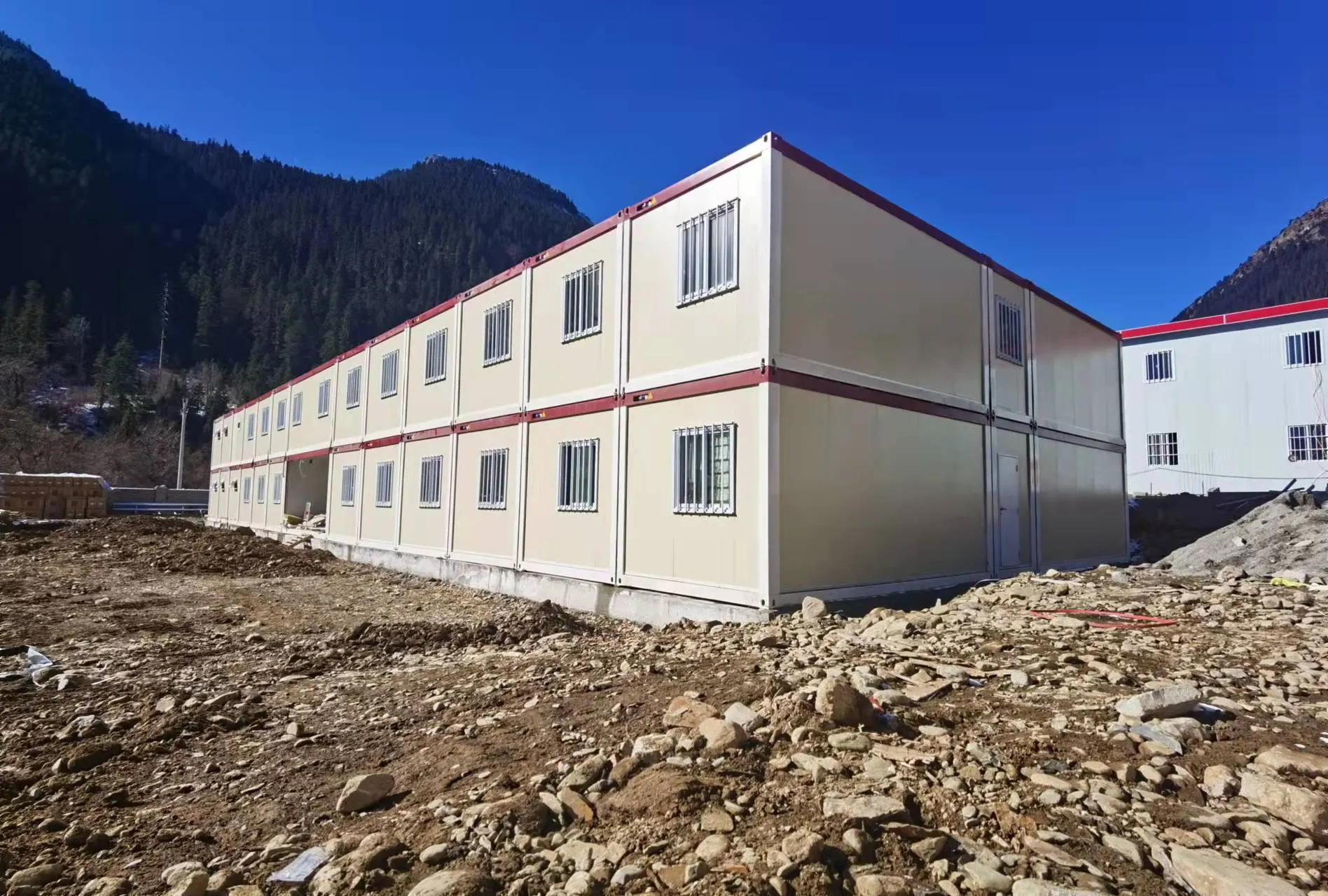
Since each container is a standard module, teams can attach units in rows, L-shapes, or even open up bigger rooms by combining multiple modules. It’s like building with familiar blocks, but at a real-life scale.
Stackable Units Allowing Multi-Level Emergency Housing Layouts
GS Housing’s steel structure supports stacking up to three floors. In crowded locations, this helps save land and keeps living spaces organized.
Standardized Dimensions Facilitating Fast Logistics and Material Handling
Standard dimensions reduce confusion during loading and unloading. Forklifts, cranes, and transport vehicles can work more efficiently when each module matches the same specifications.
Why Are GS Housing Container Houses Trusted for Disaster Relief Projects?
GS Housing has served many fields—construction, mining, public works—and these experiences make their emergency units solid and predictable. Customers know what to expect because the company follows strict production and testing steps.
High-Strength Steel Components Delivering Longevity
Panels and frames go through rolling, welding, and protective coating.
Non-Combustible Wall Panels Enhancing Fire and Safety Performance
The wall materials meet non-combustible standards, which gives extra protection in crowded camps where cooking and heating equipment may be used.
Integrated Interior Finishes Providing Immediate Livability
Floors, lights, windows, and doors come as part of the package. Once the structure stands, people can use it right away without waiting for extra decoration.
How Do Emergency Container Houses Improve Living Conditions for Affected Communities?
Comfort might sound like a luxury during disasters, but in reality, it helps people rest and avoid sickness. It also brings emotional stability, especially for children and the elderly.
Thermal-Insulated Panels Maintaining Stable Indoor Comfort
Insulation material keeps heat in during cold nights and blocks most of the outdoor heat during the day. It makes the space feel more like a real home.
Noise-Reduction Materials Enhancing Privacy and Well-Being
Crowded rescue areas can be noisy. With insulated panels, families can sleep better and have a little privacy, which is important after stressful events.
Personnalisable Layouts Supporting Medical, Educational, and Residential Use
Units can be designed with different interiors. A room can become a clinic, a classroom, a dormitory, or a simple meeting area depending on what the situation requires.
What Role Do GS Housing Flat-Pack Container Houses Play in Disaster Housing Solutions?
As disasters grow more frequent, countries and aid groups look for solutions they can rely on for years. GS Housing’s flat-pack container houses are built with this long-term view.
Modular Units Tailored for Relief Camps, Clinics, Classrooms, and Command Centers
The same module can be used in many ways. Relief workers just choose the layout that fits their needs, and GS Housing adjusts the interior parts.
Reusable Structures Supporting Sustainable Post-Disaster Reconstruction
These units can be taken down, moved, or reused for new projects. This helps reduce waste and saves money for future emergencies.
Turnkey Solutions Delivering Ready-to-Use Spaces for Emergency Operations
Because they come with most systems already installed, the units feel almost “plug-and-play.” Relief teams can start using them soon after they arrive.
How Does China’s Manufacturing Strength Ensure Reliable Supply During Global Emergencies?
China’s modular building industry is large, and GS Housing is positioned among the major players. Their wide factory network gives them strong supply capability even under heavy demand.
Large-Scale Production Capacity Meeting Urgent International Demand
The company can produce more than 200,000 modular units a year. This scale helps them respond quickly when disasters happen in different countries.
Nationwide Factory Network Supporting Fast Delivery Across Regions
With production bases spread across major regions, GS Housing can ship from the nearest location to reduce delays.
Quality-Control Systems Ensuring Consistency Across All Modules
Standard equipment and skilled technicians keep the output stable. Each unit follows the same requirements, so customers know they’re receiving dependable shelters.
Take Action Now to Strengthen Disaster Response Capacity
Take Action Now to Strengthen Disaster Response Capacity. GS Housing’s flat-pack emergency container houses deploy rapidly, provide durable and comfortable shelter, and are trusted by governments and relief agencies worldwide. With fast transport, simple assembly, long-term livability, and expert global support, they deliver immediate security when every second counts. Contact GS Housing today—be ready before disaster strikes.
FAQs
Q1: How fast can a GS Housing emergency container house be installed?
A: Most units can be assembled in one to two hours, depending on site conditions.
Q2: Are the containers reusable for future disasters?
A: Yes. They can be dismantled, moved, stored, and reused many times with little wear.
Q3: What types of functions can the container houses support?
A: They can serve as living units, clinics, offices, classrooms, kitchens, storage rooms, or command centers, depending on the layout.



