

 French
  English
  Arabic
  German
  Italian
  Portuguese
  Russian
  Spanish
  Turkish
GS Housing Modular Classrooms: The Smart, Scalable Solution for Modern Schools
GS Housing Modular Classrooms: The Smart, Scalable Solution for Modern Schools
Schools everywhere face the same pattern: student numbers shift, older buildings need repairs, and budgets don’t grow as fast as the problems. Some campuses wait years for approval to upgrade a single block. Others start looking for solutions that fit into tighter schedules. That’s where modular classrooms enter the picture.
GS Logement, with its flat packed container systems and long-running factory production lines, offers a fast and practical approach for schools that need more space without turning the whole campus into a construction zone.
How Do Modular Classrooms Address the Growing Demand for School Spaces?
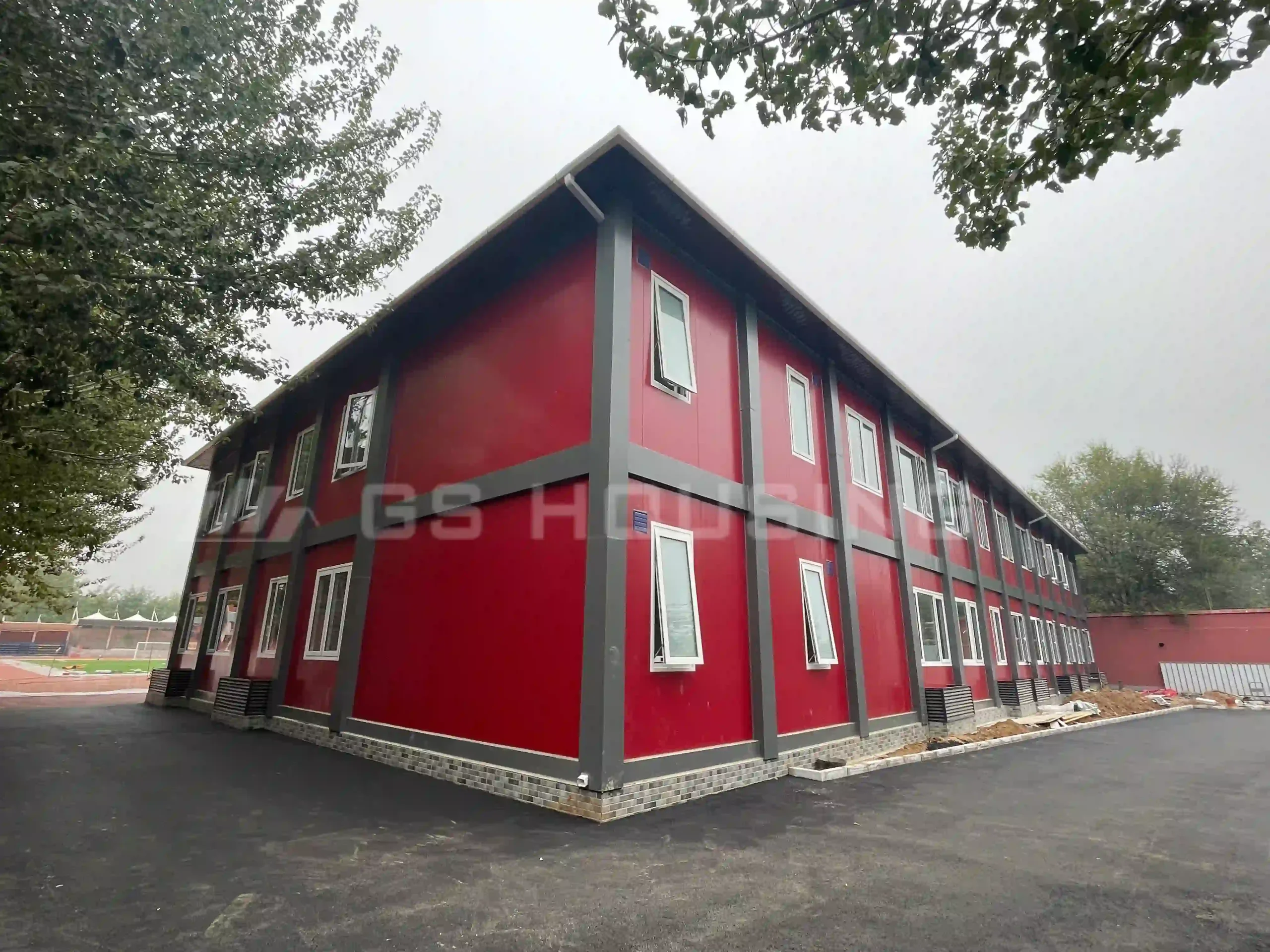
Most campuses simply run out of space. Adding more rooms the traditional way takes too long and disrupts everything around it. Modular classrooms feel different—they arrive mostly finished and rely on quick, clean installation.
Efficient Use of Space
Many schools don’t have wide open land. Modular units fit into tighter corners because they follow simple rectangular layouts. GS Housing’s steel modules can be placed one by one, or stacked when space is limited. Since insulation, wiring, and interior panels are already done at the factory, the school doesn’t deal with big supply piles or long weeks of scattered work.
Fast Construction Timelines
Schools operate on fixed academic calendars with little flexibility. GS Housing modules streamline this process as they arrive largely pre-assembled—requiring only lifting, connection, and utility hookup. This efficiency allows some projects to be completed during a school break. The dramatic reduction in construction time, compared to months of traditional on-site work, delivers significant operational benefits.
Flexibility and Expandability
School needs shift quickly. Maybe a new program starts. Maybe a grade suddenly grows. Modular classrooms allow for that kind of change. GS Housing units can be added sideways or upward when there’s a need for extra rooms. Some schools eventually turn a small modular block into part of a larger campus extension.
Are Modular Classrooms Cost-Effective Compared to Traditional Construction?
In an era of tight budgets, every investment must deliver maximum value. Bâtiments modulaires help schools keep spending more predictable, especially during planning.
Lower Construction Costs
GS Housing’s factories rely on automated steel forming, standardized wall panels, and unified assembly steps. Less waste, fewer labor hours, fewer delays. And because most of the work happens before shipping, schools avoid many hidden fees that typically appear in traditional builds.
Reduced Maintenance and Operational Expenses
The steel frames, along with the graphene-based coating GS Housing uses, resist fading and corrosion over the long run. The insulated panels and tight structure help keep classrooms comfortable without overworking heating or cooling systems. Maintenance becomes steadier, not something that pops up every season.
Better Resource Management
Traditional builds often mean unexpected material orders. Modular classrooms avoid that. GS Housing delivers units with wiring, doors, windows, and interior finishes installed. Schools simply focus on placement, not on coordinating dozens of suppliers.
How Sustainable Are Modular Classrooms as a Solution for Educational Infrastructure?
Schools are increasingly prioritizing durabilité—and our modular solutions are designed to lead the way.
Environmentally Friendly Materials
GS Housing uses steel and panels. Everything is measured and cut in the factory, so leftover scraps stay low. It’s cleaner and more predictable.
Energy-Efficiency Features
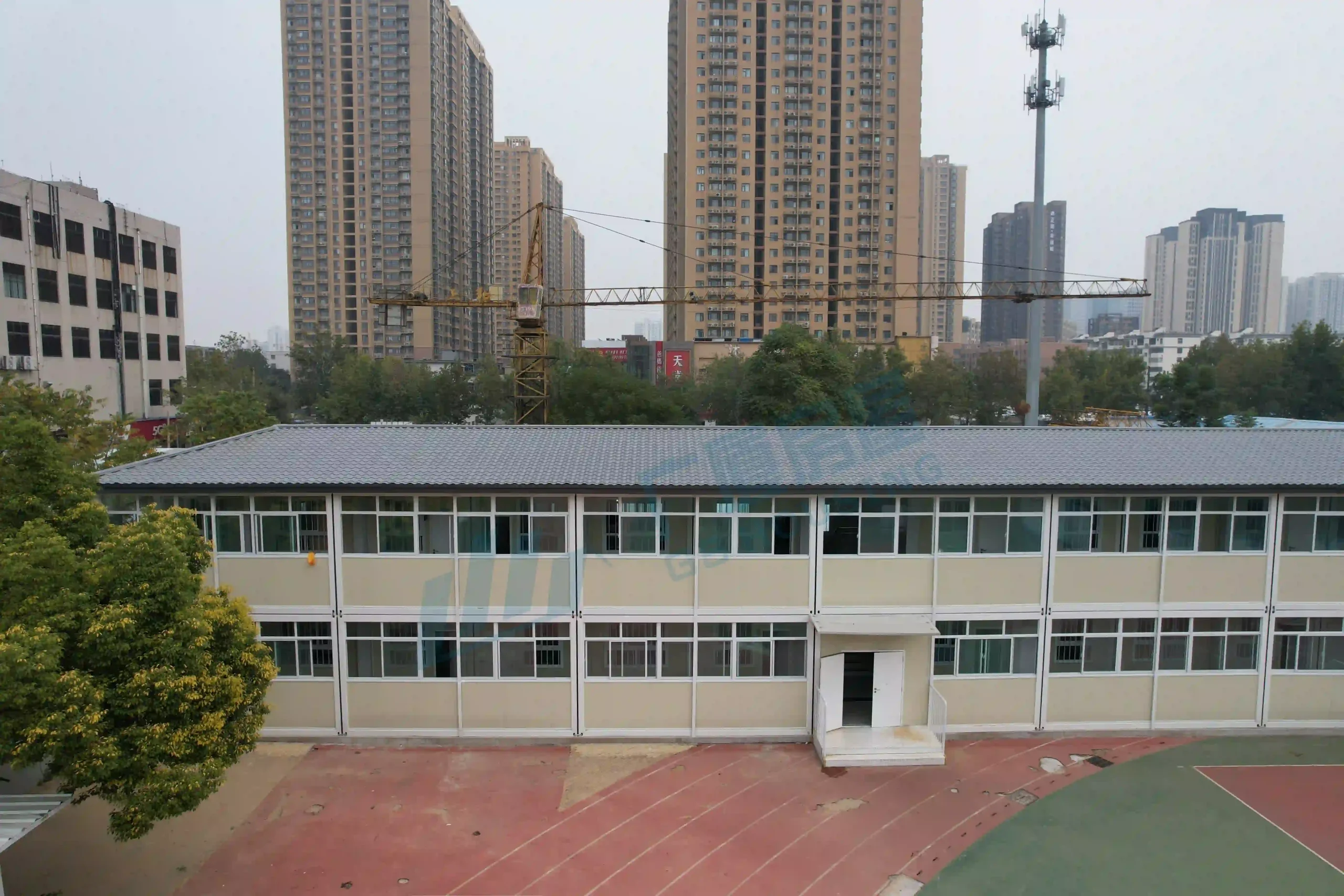
Factory-built panels and joints help keep indoor temperatures steady. Teachers often notice that modular rooms warm up or cool down faster than older concrete buildings. With fewer air leaks, energy use stays more reasonable.
Reduced Waste During Construction
Modular projects don’t leave the usual piles of concrete bags, broken bricks, or random boards. GS Housing’s “factory first” approach means most messy work happens far from campus. For schools trying to protect green spaces or reduce disruptions, this makes a big difference.
Do Modular Classrooms Meet Safety and Quality Standards for Educational Environments?
Parents and administrators care most about safety. Modern modular buildings, especially steel-framed units, are built with this in mind.
Adherence to Building Regulations
GS Housing follows national building requirements for fire performance, structure strength, insulation, and more. Because modules go through multiple inspections in the factory, issues get caught early instead of showing up during installation.
Robust Structural Integrity
GS Housing’s container modules can resist level-12 winds and strong seismic activity. The steel frame holds firm even in rough conditions, making the buildings suitable for coastal and inland schools alike.
Safe and Healthy Learning Environments
Interior panels reduce noise and resist fire. Materials are low-odor and stable, making the rooms feel comfortable for long teaching days. Proper ventilation designs help keep fresh air moving without creating drafts.
What Are the Key Advantages of GS Housing’s Modular Classroom Solutions?
In a crowded modular market, GS Housing stands out because of its scale and steady industrial process.
Advanced Manufacturing Technology
GS Housing runs multiple production bases—Foshan, Changzhou, Chengdu, Tianjin, Shenyang—each equipped with CNC cutting machines, composite panel workshops, and automated lines. This keeps quality consistent even for large orders.
Speedy Delivery and Installation
Flat packed modules ship as compact bundles. Once on-site, they open, lift, and connect quickly. Schools appreciate how short the installation phase is, especially when classes are still running nearby.
Versatile Application Across Different Educational Needs
The same module system works for classrooms, admin spaces, labs, clinics, storage rooms, or temporary teaching blocks. This flexibility helps schools keep a unified look while still adjusting to new needs.
Can Modular Classrooms Be Integrated into Existing School Campuses Easily?
Schools don’t stop running just because new buildings are needed. Modular blocks slide easily into that reality.
Seamless Integration with Existing Infrastructure
GS Housing units connect to water and electrical systems without complex changes. Exterior colors and layouts can match existing buildings so the final result feels natural on campus.
Minimal Disruption to Ongoing School Activities
Since heavy work happens at the factory, installation is quieter and cleaner. Students walk around safely while crews finish the new block nearby.
Flexibility for Future Expansion
Schools can start small and add modules as enrollment grows. GS Housing’s stackable structure makes expansion much simpler than starting a new building from scratch.
Ready to Build the Future of Your School?
Modular classrooms today are strong, comfortable, and reliable for long-term school use. GS Housing’s factory-built steel modules offer speed, flexibility, and durability at a level many schools need right now. Whether you’re adding a few rooms or planning a larger rebuild, modular buildings offer a practical path forward that fits real school timelines and budgets.
FAQ (questions fréquentes)
Q1: How long does a GS Housing modular classroom project usually take?
A: Once modules arrive, most projects finish in a few weeks, depending on size and utility connections.
Q2: Can these modular classrooms stay for long-term use?
A: Yes. With steel frames and durable exterior coatings, they work well as permanent school buildings.
Q3: Can schools customize the rooms for labs or special programs?
A: Layouts can be arranged for labs, offices, activity rooms, and other teaching needs.



