

 Arabic
  English
  French
  German
  Italian
  Portuguese
  Russian
  Spanish
  Turkish
2D vs 3D Modular Apartment Construction: How Developers Choose the Right Modular Building Method
2D vs 3D Modular Apartment Construction: How Developers Choose the Right Modular Building Method
Global developers are increasingly comparing 2D panelized modular construction with 3D volumetric modular systems as project timelines shorten and labor shortages grow.
This decision goes beyond just technical details. In fact, it impacts expenses, timelines, shipping, and the overall ease of a project from planning to completion.
Why Developers Are Comparing 2D and 3D Modular Apartments Today
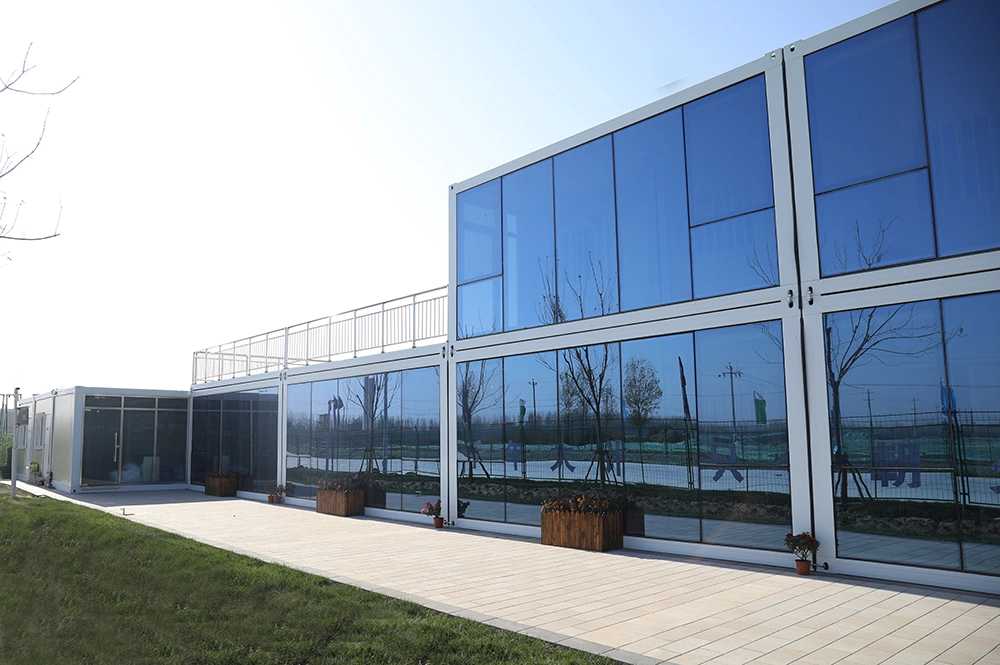
Modular apartments have moved far from being a specialized choice. Nowadays, they serve as a standard building technique in various places, particularly where quick progress and limited workers play a big role. Before diving into the details of 2D and 3D approaches, it is useful to grasp why developers are examining these options more closely than before.
In different markets, various challenges drive developers to factory-made houses. Moreover, these challenges also guide the way 2D and 3D methods get assessed together.
Rising Construction Costs
Standard on-site building has grown tougher to manage in terms of money. Prices for materials vary a lot, wages for workers rise steadily, and holdups can soon lead to financial troubles. With modular building, a large part of the effort shifts to a controlled factory environment, which offers more stable costs and less waste. As a result, developers now evaluate 2D and 3D primarily to determine which one makes the full project expense more foreseeable.
Accelerating Urban Housing Delivery
Urban areas require houses rapidly. Delays of two or three years for a medium-sized apartment structure no longer work in numerous locations. Modular apartments enable structures to rise in mere months instead of years. Thus, the main issue turns to whether flat-packed 2D setups or complete 3D units can align better with regional schedules.
Labor Shortage
Experienced building workers face shortages across the world. Modular setups cut down on-site effort by shifting most tasks to factories. Therefore, developers tend to pick the method that demands fewer hands on location and straightforward putting-together steps.
The trend towards modular and integrated building construction
Authorities and big developers increasingly know modular and integrated building construction. Rules are getting better, permissions come quicker, and trust levels are stronger. Both 2D and 3D modular apartments match this pattern, yet each fits in its own distinct manner.
What Are 2D Modular Apartments?
Keeping the broader view in focus, it makes sense to begin with the more adaptable of the pair. 2D modular apartments often mark the starting point for developers just entering modular building.
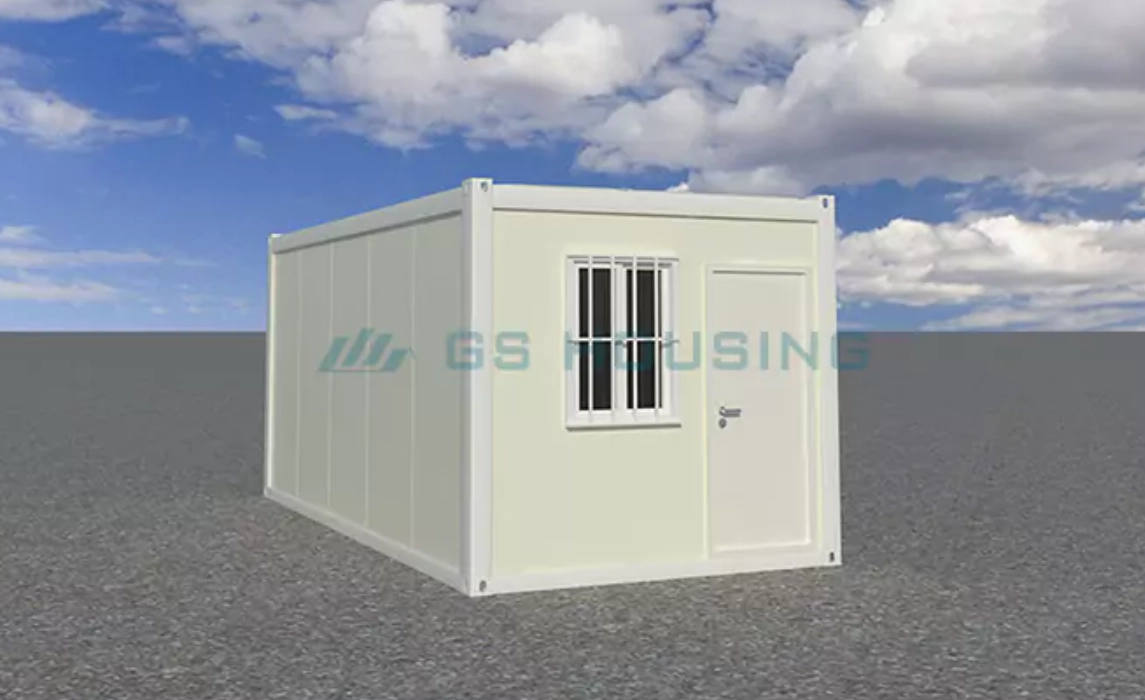
To put it plainly, 2D modular building employs flat-packed structural components made in a factory and put together at the location into a full structure.
Definition and Core Concept
2D modular apartments come from panels, frames, columns, floors, and wall setups. Factory conditions produce these parts, which then ship flat and assemble on location. For instance, GS Housing’s flat-packed container house systems use galvanized steel frames along with ready wall panels.
The framework forms right there on-site, although plenty of accurate tasks finish beforehand.
Typical Configurations and Layout Examples
2D setups handle common apartment designs quite well. Plans with repeating units, basic hallways, and boxy floor areas appear often. Since the panels act as individual pieces, changes can happen even during assembly, and developers value this when facing narrow spots or last-minute plan tweaks.
Designs for employee lodgings or student quarters frequently draw on this style.
Use Cases in Residential Projects
Developers typically select 2D modular apartments for short or medium-height living developments. Such projects cover rental houses, dorms, and spots that start temporary but turn semi-lasting. The mix of expense and adaptability stands as the primary draw.
What Are 3D Modular Apartments?
Whereas 2D focuses on parts, 3D modular apartments adopt a fuller strategy. These units reach the site nearly set for occupancy.
People often call this volumetric modular construction, and it holds an expanding place in crowded city houses.
Volumetric Modules and Preassembled Units
Within 3D modular building, whole apartment rooms or sections form in the factory. They include floors, walls, ceilings, pipes, wiring, and inside surfaces all fitted out. These box-shaped units transport to the spot and stack via cranes.
GS Housing uses this in tall housing and intricate living setups where pace and uniformity count heavily.
Benefits in Multi-Story Construction
In higher structures, 3D modular setups perform strongly. The build precision runs high, and fitting happens swiftly after units arrive. Sometimes, a level finishes in days, not weeks. Consequently, this aids developers in cutting location disturbances, above all in city settings.
Integration With Permanent Modular Integrated Construction
Builders plan them for extended stays, fulfilling fire safety, build strength, and warmth rules needed for ongoing house structures. Hence, they suit public housing and big city efforts.
Typical Project Applications for 2D vs 3D Modular Apartments
Various development kinds naturally point to specific modular ways. Developers seldom decide alone; instead, they pair the system with the scenario.
سكن العمال
Employee housing commonly picks 2D modular apartments. The designs stay basic, structures tend to be low, and moving costs remain reasonable. GS Housing often provides flat-packed setups for power, mining, and setup camps.
Student Dormitories
Student lodgings can swing either direction. Short campus builds might use 2D setups, but packed city dorms gain from 3D units that hasten completion ahead of school terms.
Affordable Housing
Affordable house projects stress expense management and swift rollout. Plenty of developers blend methods, although 3D modular apartments gain ground for lasting, multi-level affordable blocks.
Construction Camps
Short-term or half-lasting camps nearly always opt for 2D modular systems. These prove simpler to ship, set up, shift, and repurpose over developments.
Rapid Urban Housing
When urban zones demand quick houses and room stays scarce, 3D modular apartments often match best. Upward piling and factory-done insides push projects from go-ahead to move-in at a brisk pace.
2D vs 3D Modular Construction: Key Structural, Cost, and Deployment Differences
During the choice phase, developers generally weigh 2D and 3D across a handful of real-world aspects, rather than pure ideas.
Structural and Fabrication Differences
2D setups depend on location assembly of factory-built elements. Teams raise frames first, then add panels and utilities. On the other hand, 3D units serve as build blocks on their own, built to pile and link up and down or side to side.
Speed of Installation and Cost Implications
3D modular apartments set up quicker after arrival, yet hauling and crane fees run steeper. 2D methods need more time to join but cost less to deliver and adjust readily. The overall price hinges much on structure height and spot features.
Design Flexibility and Customization Options
2D modular building grants greater leeway in the joining phase. 3D modular apartments call for stricter upfront planning but yield steadier results. GS Housing backs both by tweaking plans soon to ease later hurdles.
When Developers Prefer 2D Modular Systems?
2D modular apartments keep serving as a solid pick for numerous developers, particularly when straightforwardness and fund oversight top the list.
Efficient for Simple Layout Requirements
Where room designs repeat and heights remain modest, 2D systems handle the task without added hassle.
Easier On-Site Assembly and Transportation
Flat-packed pieces move more simply via docks, roads, and cramped city areas. This cuts transport risks, especially for projects abroad.
Cost-Effective Solution for Low-Rise Buildings
In one- to three-story setups, 2D modular apartments usually strike the finest mix of pace and price.
When High-Density Projects Choose 3D Volumetric Modules?
For developers reaching taller goals, both in height and business terms, 3D modular apartments provide sharp edges.
Superior for High-Density, Multi-Floor Buildings
Piling full units suits taller builds where location tasks would otherwise slow things down.
Fully Finished Modules With Integrated Systems
Units show up with baths, cables, and surfaces all ready, which trims time and eases on-site teamwork.
Enhanced Durability and Quality Control
Factory-led joining brings reliable standards, vital for enduring house applications.
Worker Accommodation and Construction Camps
Many developers use 2D modular steel systems derived from container house technology for workforce accommodation and temporary project housing.
How Does GS Housing Support Both 2D and 3D Modular Apartment Needs?
Picking between 2D and 3D seldom feels straightforward. This is where GS Housing’s background proves helpful. Established back in 2001, GS Housing has expanded into a worldwide supplier of modular buildings. The company runs six major factories in China and brings hands-on experience to areas like housing, infrastructure, energy, and public works. It produces about 200,000 modular units each year. GS Housing partners with developers who seek quick, dependable, and expandable apartment options. As city housing demands grow around the globe, GS Housing commonly aids in an early choice: whether a development suits 2D modular or 3D modular apartment construction better.
Flexible Product Portfolio and Customization
Ranging from flat-packed container houses to full apartment units, GS Housing tailors plans to fit area rules, weather, and purpose demands.
Global Standards and Proven Project Delivery
Having completed works in Asia, the Middle East, Africa, and further, GS Housing knows how modular setups hold up under varied rules and settings.
Tailored Advice for Residential Developers
Instead of favoring one way, GS Housing reviews aims, schedules, and funds to suggest the most workable path.
Ready to Transform Your Property With a Modular Apartment Solution?
The move to modular apartments no longer waits as a coming shift. Rather, it already molds the way houses build now.
Planning a Modular Apartment Project? Here’s What to Consider First
Factors like build height, entry access, local rules, and rollout times all shape if 2D or 3D modular building aligns better.
Next Steps for Your Modular Apartment Project
Teaming with a seasoned provider early wards off later plan shifts. Since GS Housing covers both systems, it guides developers from idea to finish with less unexpected turns.
أسئلة متكررة
Q1: Are 2D modular apartments suitable for permanent housing?
A: Yes. When planned to match local building codes, 2D modular apartments can serve long-term living projects, particularly short-height houses.
Q2: Do 3D modular apartments cost more than traditional buildings?
A: Upfront module costs can be higher, but faster delivery and reduced site labor often balance the total project budget.
Q3: Can GS Housing combine 2D and 3D modular systems in one project?
A: In some cases, yes. Mixed modular strategies can work well for large developments with different building types on the same site.



