

 Arabic
  English
  French
  German
  Italian
  Portuguese
  Russian
  Spanish
  Turkish
Metal House Construction Cost Breakdown: How Developers Plan Budget Using Modular Steel Buildings
Metal House Construction Cost Breakdown: How Developers Plan Budget Using Modular Steel Buildings
Metal house construction is becoming a practical solution for large-scale workforce accommodation, construction camps, and temporary infrastructure projects where speed and predictable cost matter most. For developers dealing with increasing labor expenses, strict timelines, and tougher building regulations, modular steel buildings now play a key role in serious budget discussions. Rather than estimating final figures late in the process, many teams seek better cost clarity right from the beginning. This is where steel modular construction, particularly the systems provided by reliable suppliers like GS الإسكان, starts to transform how projects are priced and completed.
Grasping how costs accumulate is essential these days. From initial design scope to structural elements and site activities, each choice directly impacts the overall total.
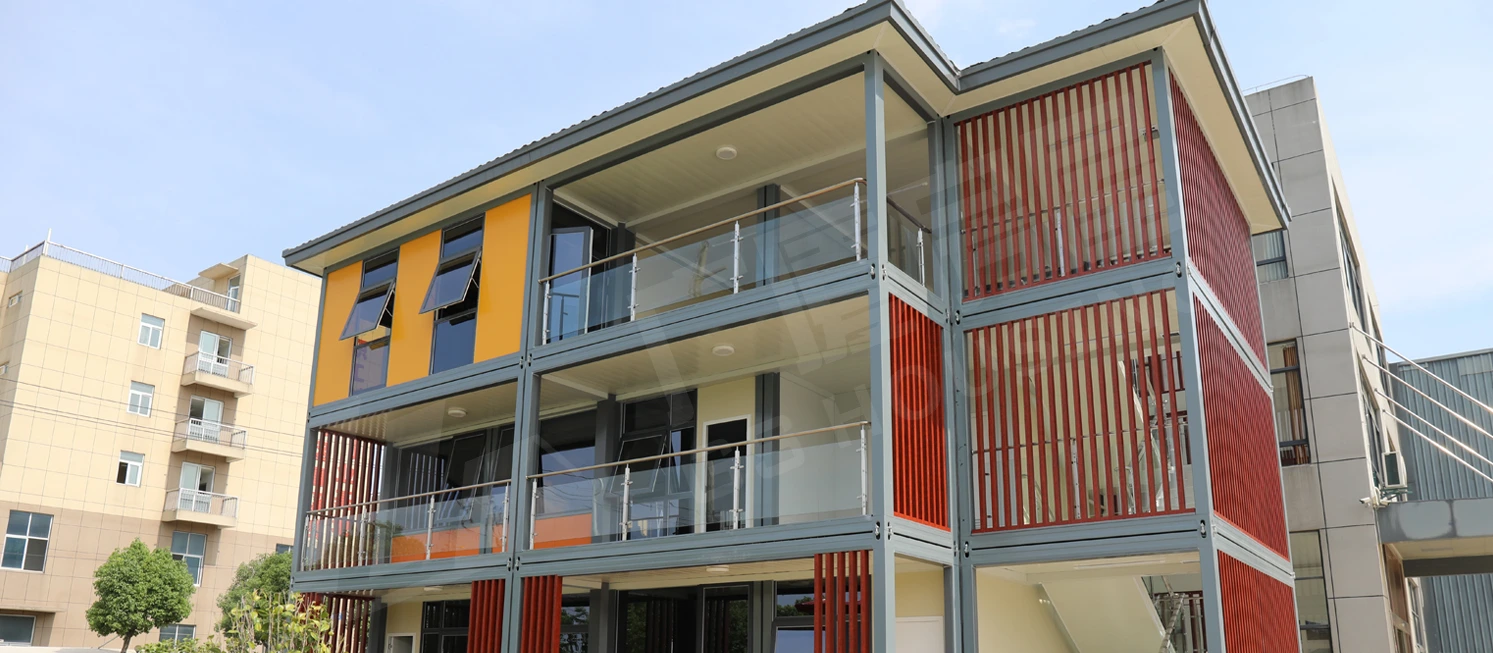
How Do GS Housing Modular Products Fit Into Cost Planning?
Cost planning extends beyond just materials. It concerns how systems are supplied, put together, and overseen. GS Housing crafts its modular products to fit actual project flows, not solely factory productivity.
By providing full modular solutions instead of separate pieces, cost planning turns simpler.
How GS Housing Modular Systems Help Control Project Costs
GS Housing modular systems are made using uniform processes and quality checks. This lessens differences among modules and curbs unforeseen changes at the site. Factory output also supports concurrent tasks, such as preparing foundations while fabricating modules.
This simultaneity shortens overall timelines and trims financing and overhead expenses for developers.
Portable Or Expandable Modular Metal Houses For Cost-Effective Builds
For interim or staged projects, portable and expandable modular houses yield notable cost benefits. These units can be moved or extended as demands shift, safeguarding the original outlay.
GS Housing provides modular units built for multiple setups and breakdowns. This adaptability proves particularly useful for camps, distant locations, and brief housing initiatives.
Modular Camp Structures As A Cost-Control Strategy For Remote Projects
Modular camp structures have become a practical cost-control solution across remote project environments where speed, logistics, and workforce stability matter most. In mining camps, modular buildings provide durable, quickly deployable accommodation that can withstand harsh climates while keeping construction and maintenance costs predictable. For oil & gas projects, especially in isolated or offshore-adjacent locations, modular camps allow operators to standardize living units, reduce on-site labor, and scale capacity as project phases change. When it comes to temporary workforce housing, modular camps offer flexible layouts for dormitories, dining halls, offices, and medical units, helping project owners manage short-term labor surges without long-term capital risk. By minimizing site preparation time and enabling reuse or relocation, modular camp structures help remote projects stay on budget while maintaining acceptable living standards for workers.
Tailored Prefab Solutions For Residential, Commercial, And Camp Uses
Various uses bring distinct cost focuses. Residential efforts stress ease and appearance, whereas camps prioritize toughness and pace. GS Housing customizes prefab solutions to align with these priorities without excess construction.
This precise method sidesteps unneeded expenses and maintains budgets in line with genuine usage contexts.
Why Developers Are Re-Evaluating Metal House Construction Costs Today
In various areas, pricing for conventional construction has grown unreliable. Shortages in labor, extended timelines, and fluctuations in material prices all complicate cost management more than before. Metal houses, especially those built with modular steel systems, give developers a method to regain budget control during the early planning stages.
A further reason for re-assessing costs stems from the rising need for quicker delivery. Shorter project cycles frequently improve cash flow. Modular steel buildings enable much of the work to occur in factories instead of on location, which cuts down on weather-related setbacks and labor uncertainties. For developers handling several projects simultaneously, this dependability counts more than pursuing the cheapest initial bid. Many EPC contractors now work directly with modular manufacturers such as GS Housing to improve early-stage cost predictability.
How Do Project Scope And Design Choices Affect Average Cost Of A Metal House?
Prior to examining materials or labor, cost planning begins with the project scope. The building’s dimensions, its purpose, and the degree of personalization all influence the end price. A basic worker housing unit follows a distinct cost pattern compared to a multi-unit residential development featuring unique arrangements.
Early design decisions can either fix costs within a steady range or lead to ongoing changes down the line. Modular steel construction performs optimally when the scope and requirements are well-defined upfront.
Typical Steel Modular House Specifications And Cost Drivers
Most steel modular houses adhere to standard structural frameworks, floor levels, and panel setups. These features aid in managing costs since materials are pre-designed and production processes are fine-tuned for consistency. Main cost factors typically involve total floor space, number of levels, structural load demands, and the quality of exterior finishes.
The thickness of steel, types of panels, and extent of interior fittings also contribute significantly. Even minor alterations, like enhanced fire protection or better sound insulation, can influence the total expense. Developers who recognize these factors early on can modify specifications without undermining the project’s objectives.
Budgeting For Custom Layouts Vs Standard Designs
Personalization always adds to the expense, yet modular construction makes it easier to handle. Standard designs gain from reusable modules and reduced manufacturing costs. Custom designs, although more adaptable, might demand extra engineering and specialized parts.
GS Housing systems strike a balance between the two. Developers can begin with standard modules and tweak arrangements as required, instead of starting over from the basics. This strategy caps cost rises while fulfilling practical requirements.
How Structural Systems and Modular Steel Design Affect Project Cost?
Structural design stands as one of the largest cost influencers in any metal house endeavor. Load needs, seismic guidelines, and building elevation all shape steel consumption and joint specifics. Modular steel design streamlines this by employing established structural setups that have been validated across numerous projects.
When the structure and modules are planned in tandem, waste decreases and material application grows more effective.
Cost Impact Of Steel Frames And Exterior Panels
Steel frames provide the core support for modular houses. Sturdier frames raise expenses but could be necessary for taller or heavy-load structures. Exterior panels likewise impact budgets based on their insulation quality, fire resistance, and surface treatment.
GS Housing employs combined wall and roof panel systems that merge structure and covering. This cuts the reliance on various subcontractors and prevents redundant costs that commonly arise in standard construction.
Insulation Choices And Their Effect On Total Build Cost
Insulation goes beyond mere comfort. It directly influences ongoing operating expenses and adherence to regional energy rules. Superior insulation might elevate the starting build cost, but it typically lowers energy bills in the long run.
Modular steel buildings permit insulation installation in managed factory conditions. This enhances quality and cuts down on corrections, thereby balancing initial outlays against enduring benefits.
Comparing Modular Integrated Construction With Traditional Methods
Conventional construction tends to distribute costs over numerous phases and workers. Late-stage modifications can rapidly swell budgets. Modular integrated construction groups most costs at the outset, which might seem steeper initially but generally leads to fewer unexpected issues afterward.
For developers prioritizing reliability over the smallest starting bids, Modular Integrated Construction delivers a steadier cost framework.
What Are Key Labor And Installation Costs For Metal Houses?
Labor continues as one of the trickiest cost elements in construction. Modular steel buildings lessen labor risks by moving tasks to factories, where workforce is steadier and more productive.
Site efforts shift toward assembly rather than building from the ground up.
Prefabrication And Factory Assembly Cost Savings
Factory assembly enables firmer oversight of work hours and standards. Routine activities finish more swiftly, and mistakes are spotted sooner. Thus, this approach diminishes waste and fixes, which pile on concealed costs in usual builds.
For developers, these gains appear as reduced holdups and more defined labor allocations.
On-Site Erection, Transportation And Installation Effort
Transport and hoisting costs remain important to factor in. Module dimensions, site entry, and crane access all shape installation outlays. Yet, since setup time is briefer, total site expenses generally drop.
GS Housing plans modules with transport and lifting practicality in view, aiding in fewer logistics issues.
Role Of Engineering And Project Management Fees
Engineering and project oversight are frequently undervalued in initial plans. Modular efforts need early teamwork, but this usually substitutes for prolonged site supervision later.
Precise plans, uniform details, and skilled teams ensure these fees stay reasonable relative to project scale.
How Do Local Codes And Regulatory Requirements Influence Cost?
Every metal house project operates within specific rules. Local codes, approvals, and check processes all shape cost planning. Overlooking them early can result in redesigns and holdups.
Modular steel systems need to adjust to diverse regulatory settings.
Engineering Compliance And Certification Requirements
Calculations for structure, fire safeguards, and energy efficiency approvals might be needed by location. Modular systems meeting global benchmarks cut extra engineering needs.
GS Housing builds its systems to follow widespread international norms, easing adjustments in different areas.
Permitting And Inspection Costs Relevant To Metal Structures
Approval fees and review steps differ greatly. Modular building can ease checks since a lot of the work happens in factories under steady conditions.
Consequently, this often speeds up approvals and limits repeated checks.
Long-Term Performance Considerations In Budgeting
Cost planning shouldn’t end at completion. Strength, upkeep demands, and energy savings all impact future costs. Steel modular buildings generally hold up well over years, particularly if made for reuse or relocation.
Weighing full lifecycle costs offers developers a truer view of overall spending.
Ready To Build Smart And Control Costs With GS Housing Solutions?
Metal house construction need not be erratic. With a suitable modular collaborator, developers can outline budgets with greater assurance and minimal shocks.
GS Housing merges technical know-how with workable modular systems that suit actual project demands.
Why Choose GS Housing For Steel Structure And Modular Projects
GS Housing delivers combined steel structure and modular answers supported by solid project background. Their systems aim for quickness, lasting quality, and cost clarity, fitting both brief and extended developments.
This equilibrium aids developers in remaining competitive without skimping on essentials.
Discuss Your Project Scope With GS Housing Engineering Team
Initial talks make a genuine impact. By covering scope, arrangement, and norms early, GS Housing can supply firmer cost brackets and practical schedules.
This method cuts uncertainty and bolsters sound choices.
Start Your Cost-Optimized Metal House Project With Expert Support
From idea to finish, specialist guidance keeps efforts on course. With modular steel systems and seasoned groups, developers can proceed assured that costs are outlined, not estimated.
أسئلة متكررة
Q1: How accurate are cost estimates for modular steel houses compared to traditional buildings?
A: Modular steel house estimates tend to be more precise since most costs get set before building begins. Factory work minimizes uncertainties that crop up in on-site efforts.
Q2: Are modular steel houses suitable for permanent residential projects?
A: Yes. If built to fit local rules, modular steel houses function effectively as lasting structures and provide endurance akin to standard ones.
Q3: Can GS Housing modular systems be adapted to different countries’ regulations?
A: GS Housing systems revolve around international benchmarks and can be modified to satisfy local engineering and approval needs with reduced redesign work.



