

 German
  English
  Arabic
  French
  Italian
  Portuguese
  Russian
  Spanish
  Turkish
How Modular Buildings Reduce Labor Costs in European Construction Projects
How Modular Buildings Reduce Labor Costs in European Construction Projects
The European construction sector is facing growing pressure, particularly in high-wage markets where labor costs account for a significant share of total project budgets. Traditional construction methods rely heavily on on-site labor, which can lead to delays, rising costs, and reduced efficiency. As developers look for faster and more cost-effective building solutions, modular construction is becoming an increasingly practical alternative across many European projects.
Modular buildings are manufactured off-site in controlled factory environments and then transported to the project site for assembly. This setup brings shorter project times, lower worker costs, and better oversight of quality. Besides saving time and money, modular construction brings gains for the environment and sustainable practices. Thus, it serves as a strong choice over traditional construction methods in Europe.
This piece looks at how modular buildings lower worker costs in European construction efforts. It focuses on the advantages of modular construction in high-wage markets and highlights the role that experienced partners such as GS Gehäuse can play in successful project delivery.
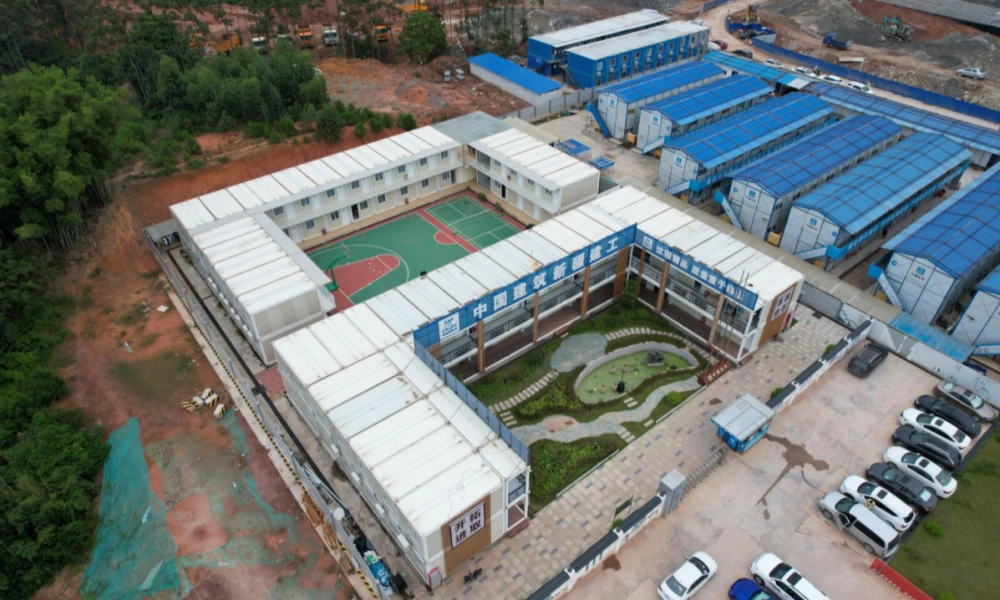
Key Advantages of Rapid Deployment Modular Buildings in Europe
Modular buildings bring real gains to Europe’s building field. Cutting costs and trimming schedules rank high among these perks. This holds true especially where trained workers cost a lot and are hard to find.
Faster Construction and Project Delivery
One main strength of modular construction lies in its power to shorten project schedules a great deal. Standard builds handle nearly all steps right at the site. In contrast, modular buildings mainly take shape in off-site workshops. Because of this, teams can prepare the site and build parts at the same time. As a result, the whole project wraps up 30-50% sooner than with regular methods.
Europe’s building scene moves at a brisk pace. In that context, such time cuts prove very useful. Developers often aim for quick starts. Modular construction smooths out the steps. It helps get projects running earlier. This, in turn, trims hidden worker costs from long stays at the site.
Reduced Labor Costs in High-Wage Markets
Labor costs keep climbing throughout Europe. This makes usual building less affordable in nations with high wages. Modular construction cuts worker costs in a big way. It does so by lessening the need for work on location. Most of the building happens away from the site. Therefore, big groups of workers on-site become unnecessary.
In these setups, the bulk of modular tasks occur in managed factory spots. There, parts get built and put together before heading to the site. At the location, just a compact, skilled crew handles the last steps and fitting. This drop in on-site work leads straight to smaller expenses. Overall, it makes building projects much easier on the budget for developers in Europe.
Flexible and Scalable Modular Solutions
Modular buildings also shine through their built-in adaptability and ability to grow. They suit needs from a tiny site camp to a large residential setup. Units adjust to match precise project wants. And they can grow or shrink based on the project’s scale without much extra cost or wait.
Building needs in Europe differ a lot between city and country spots. Modular buildings offer fitted answers for short-term builds and ongoing housing plans. This flexibility allows projects to adapt to changing workforce demands and site conditions. In the end, it skips pricey extra building or fixes.
Modular Construction vs Traditional Construction in Europe
Traditional construction has served as the standard in Europe for years. Yet, it grows less effective and more expensive when set against modular construction. Below is a close look at the two, centered on worker use and daily operations.
-
Time Efficiency: Standard building runs into holdups from changing weather, lack of workers, and site issues. Modulare Konstruktion completes most tasks in a stable factory environment. Schedules stay even there. This avoids weather problems. Hence, projects end quicker overall, and worker extra costs drop.
-
Cost Control: With usual methods, worker and supply costs can climb from unexpected delays and site fixes. Modular construction allows firm budget plans and tracking. Most steps happen in a controlled environment. That cuts down on waste and redo work. Directly, it lowers worker spending.
-
Quality Assurance: Factories build modular buildings. This lets teams do thorough checks and use even, exact making steps that limit mistakes and flaws. Usual site building works in less steady settings. That leads to more redo needs and added worker costs.

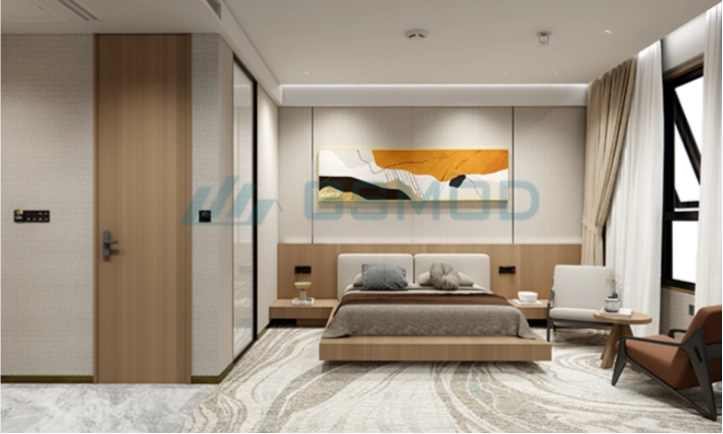
Why Choose GS Housing for Modular Construction Projects in Europe
Picking a partner for modular building calls for dependability and knowledge of the market. GS Housing leads in fresh, practical modular building options. It has a wide array of products and services made for the European scene. These solutions can support projects of different sizes and levels of complexity.
Modular House: A Versatile and Efficient Solution
GS Housing’s Modular House lines are crafted for speedy, useful fitting. They hit tight schedules yet keep top-notch standards. These units fit both brief and lasting uses. They cover many building wants in Europe. That includes spots for workers, residential developments, and business zones.
Key Advantages of GS Housing Modular Houses
-
Speed and Efficiency: Since most tasks finish away from the site, GS Housing’s modular houses put together fast at the spot. This trims project times by 30-50% over standard building. And it lessens on-site worker costs.
-
Customizability: These units shape to fit exact effort needs. From setups with many worker units to broad home or business builds, they line up with special worker housing and operational needs.
-
Durability and Quality: Strong supplies and forward-making steps go into them. This covers automated robotic welding and graphene coating technology. GS Housing’s modular houses follow tight European build rules. They cut down on upkeep worker needs and costs over time.
-
Kosteneffizienz: Less on-site work and shorter project lengths mean big savings from GS Housing’s modular houses. They beat usual building costs. This makes them a good pick for Europe’s high-pay areas.
Why GS Housing is the Right Partner for Your Modular Building Needs
Choosing the proper partner matters a lot for any modular construction project’s success. GS Housing handles full services over the whole project path. This includes planning, manufacturing, transportation, and after-sales support.
Expertise and Experience
GS Housing brings years of work in modular building. It counts as a solid field guide. The team has extensive experience with European project requirements and standards. They offer fitted answers for the special worker cost hurdles in high-pay spots across the land.
Comprehensive Service Offerings
A broad set of Dienstleistungen comes from GS Housing. It includes planning, making, moving, and site fitting. The full-range help creates a smooth, easy flow from start to end. For brief worker spots or lasting home fixes, GS Housing brings the know-how to finish on time and within budget. This trims total worker costs for those using the services.
Request a Modular Building Solution for Your Project in Europe
If modular construction suits your coming European effort, GS Housing stands ready to help. The team works closely with clients to develop tailored solutions. These match precise project marks and cut worker costs while speeding up schedules.
Reach out to GS Housing now to discuss your modular building wants and ask for a free consultation.
FAQ (häufig gestellte Fragen)
Q1: How much faster are modular buildings compared to traditional construction?
A: Modular buildings can be completed 30-50% faster than traditional construction methods due to the off-site manufacturing process and simultaneous site preparation.
Q2: Can modular buildings be customized to meet specific needs?
A: Yes, modular buildings are highly customizable. Whether you need temporary accommodations or permanent structures, modular buildings can be adapted to fit your project’s size and requirements.
Q3: What environmental benefits do modular buildings offer?
A: Modular buildings generate less waste, use materials more efficiently, and can be designed with energy-saving features, making them a more sustainable option compared to traditional construction.



