

 German
  English
  Arabic
  French
  Italian
  Portuguese
  Russian
  Spanish
  Turkish
Modular Emergency Housing for Disaster Recovery and Mining Camps in South America
Modular Emergency Housing for Disaster Recovery and Mining Camps in South America
In South America, providing fast and durable shelter solutions plays a critical role for recovery after conflicts and for running mining projects. These choices aid displaced populations. They also supply necessary spots to live for employees in far-off mining areas. Prefabricated container housing is an ideal solution in these scenarios. Its structure supports speedy setup, room for growth, and strength against tough conditions. Thus, it serves as a solid pick for aid in disasters and for building mining camps.
Key Advantages of Modular Housing in Disaster Recovery
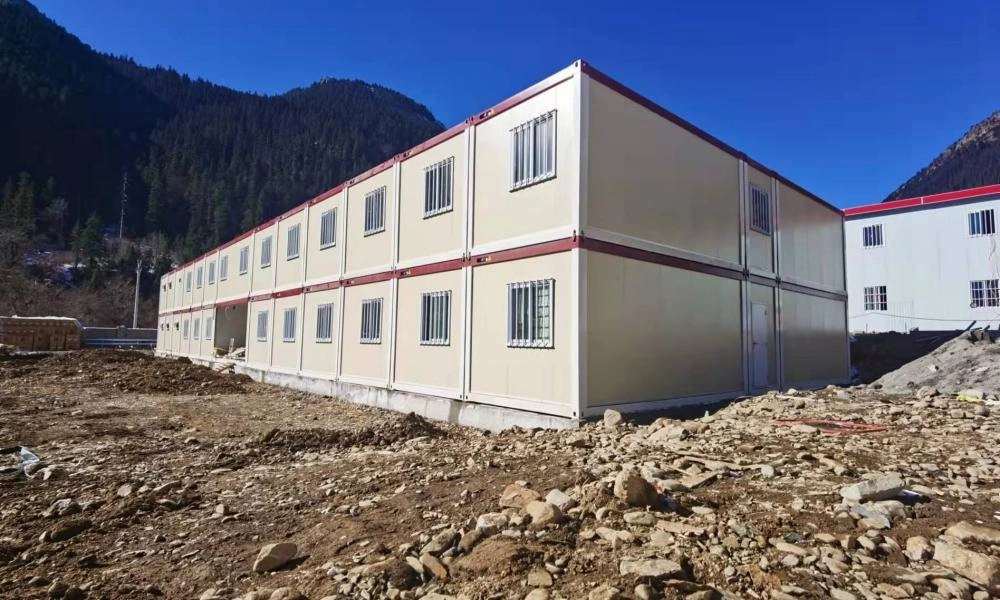
Prefabricated container housing matches the requirements for settlements after conflicts and for mining work in South America. It brings clear gains in quick rollout, adaptable designs, and money-saving methods. Such traits hold importance in hurried, supply-short settings where protection matters most. As a result, they ease the pressure on teams in the field who deal with close deadlines. Drawing from years in the industry, this approach often keeps projects on track without major hitches.
Rapid Deployment: The Ideal Solution for Emergency Shelter
Conflicts leading to displacement spark a pressing call for right-away housing. Prefabricated container units come prepared for fast joining. Factories handle the making under steady watch, which cuts field work by 30% to 50% over old-style ways. In outlying, rough mining spots across South America, flat-pack container houses can be installed within approximately 30 minutes per unit. This keeps work from slowing down.
Flexible Layout for Different Disaster Scenarios
Prefabricated container housing gives solid options for villages after conflicts and for mining bases. The pieces can form sleeping quarters, group spaces, or simple health stations for those impacted. Or, join them to make mixed work and rest areas for mining tasks. The build lets changes fit the stage of fixing up, whether for small families or bigger crowds. In mining setups, tweaks create safe zones that lift work rates.
Cost-Effective Temporary Housing Solutions
Fixing up areas after trouble usually hits money walls. Prefabricated container housing cuts real expenses, dropping build costs by up to 20%. Making in plants trims worker hours and supplies needed, but holds quality steady. For mining in South America, it lowers setup bills and speeds readying the ground. Work starts sooner, bringing returns faster. Reports from the field and mining stats worldwide point out that prefabricated container setups can trim full housing costs by 15% to 25% against standard builds for places holding 200-500 people. Plus, they speed up payback and ease field labor costs.
What Are the Key Benefits of Modular Housing for Disaster Relief?
Main pluses of prefabricated container housing cover fast putting together, full tailoring, and fine lasting power. These make it a must for South America’s mixed weather and people issues. The traits shine in spots with shifting risks, as seen in long-term aid work.
Faster Setup for Immediate Shelter
Modular housing is designed to be set up quickly on-site, so it can provide shelter right away for people in post-conflict areas and workers at remote mining sites across South America. prefabricated container systems focus on reducing waiting time, and making deployment easier, ensuring that people have the necessary living and working spaces in as little time as possible.
High Customization for Different Disaster Scenarios
South America’s broad lands call for top material grit. Prefabricated units shape up to face wild weather.
-
Graphene Powder Spraying: This coating provides strong resistance to salt spray and corrosive environments, great for shore mining places.
-
Corrosion Resistance: Parts use hot-dip 55% aluminum-zinc alloy (Galvalume) steel. It gives two to six times the corrosion resistance over plain galvanized types. This brings sure work in wet, corrosive mining environments in South America.
-
Extreme Weather Engineering: Units stand against 12-level winds to 70 m/s and snow weights of 1.55 kN/m². They suitable for high-altitude regions such as the Andes.
Enhanced Durability and Safety in Challenging Environment
Every prefabricated container unit gets close factory checks, like fire hold tests under European rules such as EN 1363/1364. This checks that load hold and warmth block work in fire times. It gives key guard for worker stays and packed zones.
Supporting Effective Disaster Recovery Operations
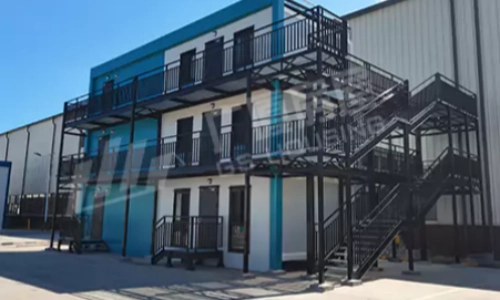
Prefabricated container housing acts as a main part in winning recovery plans. It provides scalable solutions that adapt to changing project requirements. This backs steady pulls in South America’s fix-up after conflicts and mining pushes. Overall, it builds trust in long-haul efforts.
Fast and Scalable Deployment
Prefabricated container housing grows from one piece to big groups for up to 10,000 as calls rise. In fixing after fights, the system can be expanded or relocated as site conditions change. Mining lands tweak for more hands with bendy plans tied to what the site wants.
Comprehensive Emergency Housing Packages
Sending goods to South America brings big carry fees. Flat-pack mode components are packed compactly into flat-pack units or standard containers. It shrinks room for boat or track hauls. So, it lets better sending and trims bills.
End-to-End Service for Disaster Relief
We give full ready-to-go deals, from made-to-order plans and building to fitting and care. In trouble times, pieces switch quick to field hospitals or moving aid hubs. Put them in hours, no big ground work. South American works hit world marks like ISO, CE, ASTM, and SGS with ease.
Why Choose GS Housing for Your Emergency Housing Needs?
GS Gehäuse provides customized modular housing solutions for disaster recovery and mining camps. With large-scale manufacturing capacity and global project experience, we help clients reduce construction time, control costs, and deploy camps quickly in remote and challenging environments.
-
Global Capacity: Six big plants let GS Housing make 200,000 units a year. It keeps steady flow and right-time sends for South American mining and fix-up after conflicts.
-
Proven Track Record: GS Housing wrapped big works, like the Saudi NEOM camp (4,480 units) and outbreak stays for over 120,000. It shows skill in huge move-back tasks.
-
Technical Edge: GS Housing led with graphene powder spraying for better stand against UV hits, strong gusts, and chem wear. It fits South America’s wide weather. You can count on it for lasting builds in varied spots.
-
Comprehensive Service: Trained engineers give spot fitting aid. GS Housing makes fast, sure rollout and help across South American mining and trouble fix sites. With 500+ global spots, support comes quick.
Request a Modular Housing Solution for Your Project Today. Get a Free Quotation von GS Housing
FAQ (häufig gestellte Fragen)
Q: How quickly can modular houses be deployed in South America?
A: Units are deployable in days. GS Housing’s modular resettlement system can assemble up to 80㎡ daily, with individual container houses taking only half an hour to install on-site.
Q: Are these houses durable for coastal or high-altitude South American regions?
A: Yes. Using 55% aluminum-zinc plating and graphene powder spraying, they resist corrosion for decades. They are engineered for 12-level winds and seismic activity, ensuring safety in deserts, coasts, and mountains.
Q: Can these units operate without a municipal power grid?
A: Absolutely. They can integrate solar panels, wind turbines, and ecological water recycling systems to provide a high-quality, self-sufficient living environment in remote or infrastructure-damaged areas.



