

 German
  English
  Arabic
  French
  Italian
  Portuguese
  Russian
  Spanish
  Turkish
Was sind die Kostenvorteile des modularen Schulbaus
Was sind die Kostenvorteile des modularen Schulbaus
Überall stehen Schulen unter Druck – mehr Schüler, höhere Kosten, nicht genügend Platz. Traditionelles Gebäude dauert ewig, und die Budgets schrumpfen immer weiter. Deshalb ist der modulare Bau ruhig zu einem echten Spielwechsler geworden. Es ist schnell, ordentlich und überraschend erschwinglich, sobald Sie die Zahlen aufteilen.
Für GS GehäuseAls modularer Gebäudehersteller aus China mit über zwanzig Jahren praktischer Erfahrung sind Schulen zu einem seiner stolzesten Bereiche geworden. Die Projekte des Unternehmens - wie die Shenzhen High School, die Xiongan Yuren Middle School und die Guangdong University of Finance and Economics - beweisen, dass Sie starke, moderne Klassenzimmer bauen können, ohne ein Vermögen auszugeben oder ewig zu warten.
Warum ist modularer Bau wirtschaftlicher für Schulen?
Beginnen wir einfach. Der Hauptgrund dafür ist, dass modulare Gebäude vor allem in einer Fabrik statt vollständig vor Ort gefertigt werden. Diese Schicht ändert alles – weniger Verschwendung, weniger Überraschungen und viel weniger Warten.
Fabrikarbeit bedeutet niedrigere Arbeitsrechnungen
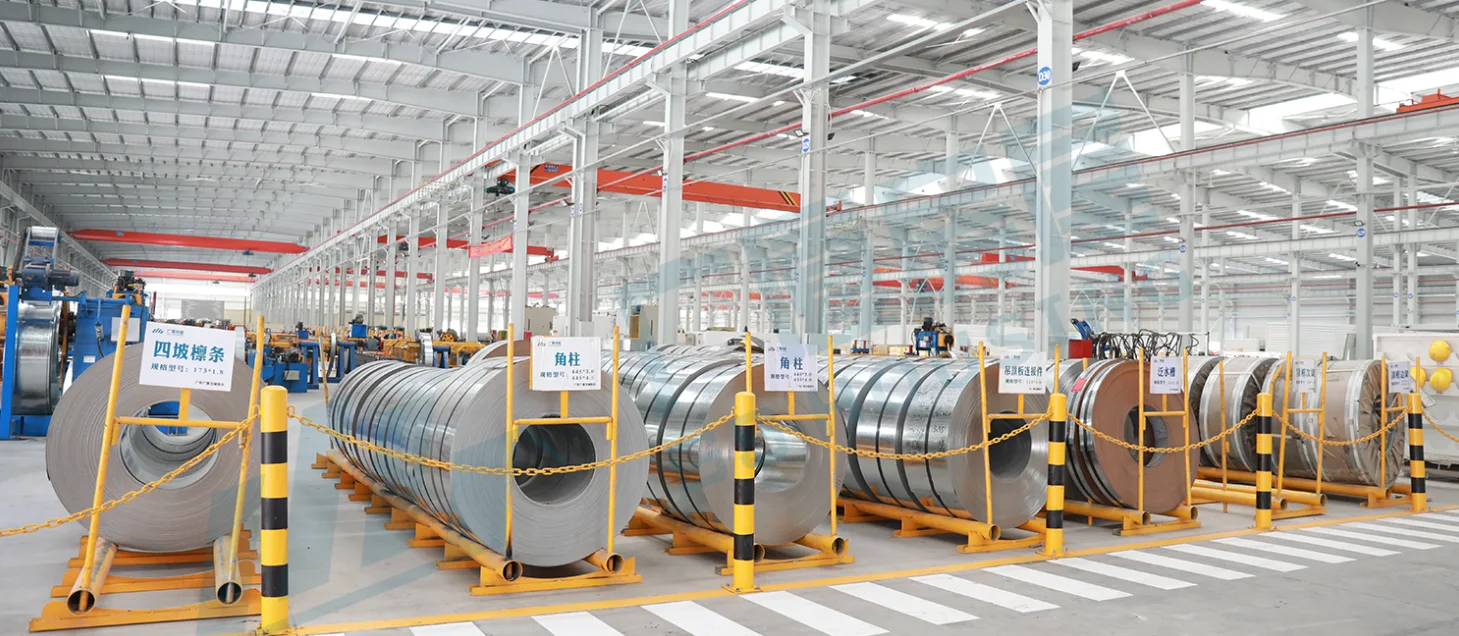
Eine typische Baustelle: Staub, Verzögerungen und zwanzig Menschen, die auf einen Lieferwagen warten. Die modulare Konstruktion umkehrt dieses Bild. Etwa 80 Prozent der Arbeit erfolgt drinnen in einem kontrollierten Raum, in dem die Techniker von GS Housing Rahmen schweißen, Strom verdrahten und Innenräume fertigen, lange bevor die Module die Schule erreichen.
Da die schwere Arbeit bereits erledigt ist, brauchen Schulen keine großen Crews vor Ort oder endlose Aufsicht. Kosten sinken natürlich. Und weil die Umwelt sicher und sauber ist, sind Unfälle selten. Mit Sechs zertifizierte Fabriken In ganz China garantieren wir Ihnen einen vorhersehbaren Zeitplan und ein vorhersehbares Budget und schützen Ihr Projekt vor den Verzögerungen und Kostenüberschritten, die im traditionellen Gebäude üblich sind. Ihr Projekt bleibt auf dem richtigen Weg, und Ihr Stressniveau bleibt niedrig.
Schneller Bau, geringere Finanzierungskosten
Zeit ist gleich Geld. Jeder zusätzliche Monat auf einem Projekt bedeutet mehr Miete, mehr Zinsen und mehr Überstunden. Modulare Projekte bewegen sich schneller, da Fabrikproduktion und Standortvorbereitung gleichzeitig stattfinden.
Nehmen Sie das Beispiel der Shenzhen No. 17 High School: GS Housing installierte in etwa zwei Wochen über sechzig Klassenzimmer-Module. Als die Schüler aus dem Urlaub zurückkehrten, war alles bereits einsatzbereit. Die Schule vermeidete Monate der Finanzierungsgebühren und die Miete von temporären Räumen - echte Einsparungen, die sofort auftauchen.
Weniger Abfall, niedrigere Beschaffungskosten
Fabriken sind gut in der Präzision. GS Housing verwendet CNC-gesteuerte Stahlleitungen, so dass jeder Balken und jedes Panel perfekt passt. Diese Präzision reduziert Restmaterial um bis zu 70 Prozent und senkt die Beschaffungskosten um rund 20 Prozent im Vergleich zu herkömmlichen Gebäuden. Weniger Abfall bedeutet auch sauberere Standorte und weniger Lkw, die hin und her fahren.
Wie verbessert der modulare Schulbau die Effizienz?
Geld ist wichtig, ja – aber auch modulare Schulen machen den gesamten Prozess reibungsloser.
Zwei Dinge passieren gleichzeitig
Während die Stiftungsmannschaft draußen arbeitet, baut GS Housing Klassenzimmer innerhalb der Anlage. Wenn der Standort fertig ist, rollen diese Module mit dem LKW ein und werden an ihre Stelle gehoben. Es ist ein bisschen wie die Montage großer Lego-Blöcke – schnell, ordentlich und vorhersehbar.
Beispielsweise lieferte GS Housing im Rahmen des Mission Hills-Projekts der Universität Hainan mehr als 240 Einheiten, darunter Vorlesungsräume und Schlafsäle. Da alles vorgefertigt war, war das Team weit vor dem Termin fertig, was sowohl Zeit als auch Koordinationskopfschmerzen sparte.
Das Wetter führt die Show nicht mehr
Regen und Hitze können einen Zeitplan ruinieren. Die modulare Produktion verhindert dieses Risiko vollständig. Neunzig Prozent der Arbeit findet in den Fabriken von GS Housing in Guangdong, Jiangsu und Sichuan statt, wo das Klima keine Rolle spielt. Selbst während der Stürme oder der feuchten Jahreszeiten läuft die Produktion weiter. Schulen können ihre Eröffnungen mit Vertrauen planen, anstatt die Finger für Sonnenschein zu kreuzen.
Konsistente Qualität bedeutet weniger Fixes
Jedes Modul wird mehreren Prüfungen unterzogen – Festigkeit, Dichtung, Isolierung, wie Sie es nennen. Da alles unter einem Dach gemessen und getestet wird, besteht die Möglichkeit, später nachzubearbeiten, deutlich geringer. Einmal installiert passen die Module eng zusammen, so dass die Wartungskosten jahrelang niedrig bleiben.
Was sind die langfristigen finanziellen Vorteile für Schulen?
Der beste Teil? Die Ersparnisse hören nach dem Bau nicht auf.
Niedrigere Energierechnungen jeden Monat
Die Schulgebäude von GS Housing verfügen über isolierte Platten, Doppelglasfenster und optionale Solardacher. Diese kleinen Designwahlen können den Energieverbrauch je nach Klima um 10 bis 15 Prozent senken. Frische Luft und Tageslicht machen auch die Klassenzimmer komfortabler für die Schüler - etwas, das jeder Lehrer schnell bemerkt.
Starke, wiederverwendbare Gebäude, die dauern
Ein GS Housing Flachverpackungsmodul ist keine temporäre Hütte. Es ist aus schweren Stahl gefertigt, rostbeständig und feuerbeständig und stark genug für Erdbeben der Stärke 8 und Winde der Stufe 12. Jeder kann über 20 Jahre lang dienen.
Und hier ist ein großer Bonus: Die Module können auseinandergenommen, verschoben und woanders wiederverwendet werden. Wenn ein Bezirk die Grenzen ändert oder ein Campus verlegt, können dieselben Einheiten ein neues Leben in einem anderen Projekt beginnen.
Einfache Erweiterung, keine neue Grundlage
Wenn die Einschreibung steigt, müssen die Schulen nicht wieder den Boden brechen. Sie können einfach zusätzliche Einheiten - bis zu drei Stockwerke hoch - stapeln oder verbinden, um neue Labore, Bibliotheken oder Schlafsäle zu bilden. Es ist Wachstum ohne Chaos, was im Bau selten ist.
Was macht die modularen Häuser von GS Housing ideal für Schulen?
Erfahrung ist wichtig, und GS Housing hat viel davon – tatsächlich seit mehr als zwei Jahrzehnten. Das Team versteht, wie Schulen funktionieren und worum sie sich am meisten Sorgen machen.
Ein Track Record, der spricht
Von Kindergärten in Hangzhou bis hin zu Sekundarschulen in Peking hat GS Housing Dutzende von Klassenzimmerprojekten in ganz China gebaut. Jede Einheit umfasst bereits fertiggestellte Verkabelung, Belüftung und Isolierung, so dass die endgültige Vor-Ort-Arbeit minimal ist.
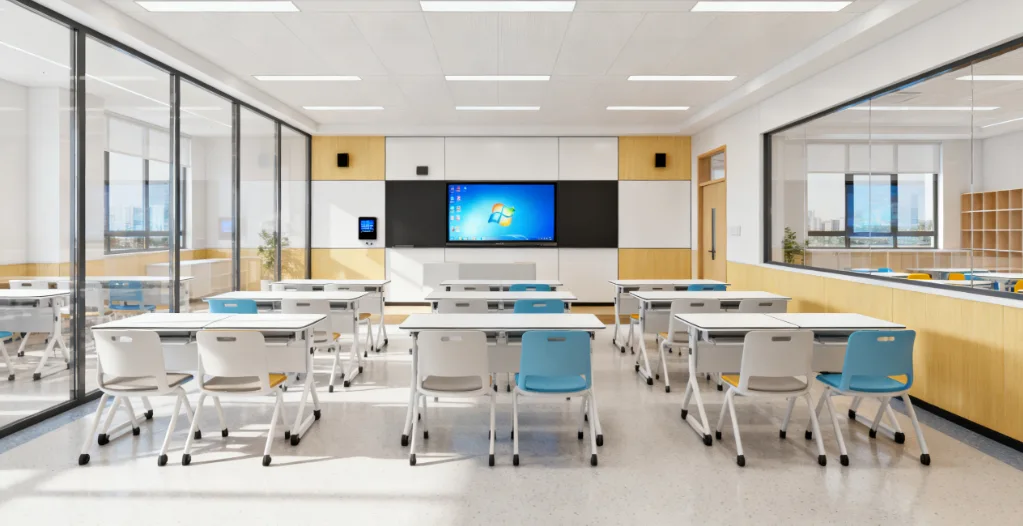
Schlüsselfertiger Service — Von der Zeichnung zum Schreibtisch
Das Unternehmen bietet komplette Lösungen. Sie gestaltet das Gebäudelayout, fertigt die Module, installiert sie vor Ort und liefert bei Bedarf sogar Möbel. Schulen bekommen fertige Räume, die sofort verwendet werden können, ohne mehrere Auftragnehmer zu jonglern.
Sicherheit und Nachhaltigkeit Erste
Jedes GS Housing-Projekt folgt den nationalen Brand-, Seismik- und Umweltvorschriften. Für globale Projekte wie die saudische NEOM-Entwicklung erfüllt das Unternehmen auch strenge internationale Sicherheits- und Grünbaustandards.
Wie maximieren die Modulhäuser von GS Housing die Kostenleistung?
Hinter dem sauberen Aussehen jedes GS Housing-Klassenzimmers steht ein gut organisiertes Industriesystem, das Budgets unter Kontrolle hält.
Automatisierte Produktion hält Preise stabil
Vollautomatisierte Montagelinien bedeuten, dass Teile jedes Mal mit der gleichen Genauigkeit hergestellt werden. Mit sechs Fabriken in ganz China hält GS Housing Lieferdistanzen kurz und die Qualität konsistent. Diese Skala macht die Preise stabil, auch wenn die Rohstoffmärkte schwanken.
Mobilität schafft langfristigen Wert
Da die Module beweglich sind, können sie im Laufe der Zeit unterschiedliche Projekte bedienen – von einer vorübergehenden Schulungsbasis bis hin zu einem permanenten Campus. Jede Wiederverwendung erstreckt die ursprüngliche Investition weiter und erhöht die Gesamtrendite der Investition.
Individuelle Layouts passen zu jedem Campus
Jede Schule ist einzigartig. Manche brauchen wissenschaftliche Labore. Andere brauchen Schlafsäle oder Cafeterias. Das modulare System von GS Housing kann alles mit flexiblen Layouts und passenden Designs bewältigen. Das Unternehmen passt sich an die Website an, anstatt jedem eine Vorlage zu erzwingen.
Ihre Roadmap zu einem erfolgreichen modularen Schulprojekt
Planung ist alles. Dies macht modulare Projekte reibungslos laufen.
Modulares Design frühzeitig
Je früher der Modulanbieter in den Konstruktionsprozess eintritt, desto besser. Frühe Koordination zwischen Architekten, Ingenieuren und dem Produktionsteam von GS Housing verhindert Last-Minute-Änderungen und hält Zeichnungen realistisch.
Wählen Sie einen erfahrenen Partner
Ein vertrauenswürdiger Lieferant kann Monate von Problemen sparen. Die Ingenieure und Standortteams von GS Housing haben weltweit Tausende von Projekten geleistet, was bedeutet, dass sie bereits wissen, wie sie Logistik-, Zertifizierungs- und Installationsprobleme bewältigen können.
Lokale Codes im Voraus prüfen
Jede Region hat ihren eigenen Genehmigungsprozess. GS Housing unterstützt Kunden bei Brandschutzpapieren, Umweltprüfungen und Qualitätszertifikaten. Diese Unterstützung hält das Projekt in Bewegung, anstatt in der Bürokratie festzuhalten.
Sind Sie bereit, eine intelligentere Zukunft für Ihre Schule zu schaffen?
Modulare Konstruktion ist nicht nur eine Abkürzung – es ist eine neue Denkweise. Schulen, die sich für GS Housing entscheiden, erhalten zuverlässige Qualität, schnellere Zeitpläne und langfristige Einsparungen. Wenn Ihre Schule eine Erweiterung oder Modernisierung plant, ist es vielleicht an der Zeit, modular zu denken.
Häufig gestellte Fragen
Q1: Wie lange dauert der Bau einer modularen Schule?
A: In der Regel sechs bis zwölf Wochen, je nach Größe und Standortvorbereitung. Das ist viel schneller als das halbe Jahr oder mehr, das für regelmäßige Builds erforderlich ist.
Q2: Sind modulare Klassenzimmer sicher?
A: Ja. Die Stahlmodule von GS Housing erfüllen strenge Standards für Erdbeben bis zur Stärke 8 und wickeln bis zur Stufe 12. Mit richtiger Pflege können sie zwei Jahrzehnte oder länger dauern.
Q3: Können modulare Schulen später erweitert werden?
A: Absolut. Modulare Schulen sind leicht zu vergrößern oder neu zu arrangieren, ohne laufende Unterrichtsstufen zu stören.



