

 German
  English
  Arabic
  French
  Italian
  Portuguese
  Russian
  Spanish
  Turkish
Warum modulare Häuser Geld beim Schulausbau sparen
Warum modulare Häuser Geld beim Schulausbau sparen
Wenn Schulen expandieren wollen, sind die Kosten oft der größte Kopfschmerz. Die Baupreise sind stark gestiegen, die Zeitpläne strecken sich endlos aus und temporäre Klassenzimmer erfüllen selten moderne Lernstandards. Hier greift der modulare Bau ein – nicht als schnelle Lösung, sondern als intelligentere, zukunftsgerechte Möglichkeit zum Bauen. GS GehäuseMit über zwei Jahrzehnten Erfahrung in modularen Schul- und Campusprojekten in China und im Ausland zeigt, wie modulare Gebäude die Bildungsinfrastruktur mit realen Kosteneinsparungen und langfristigem Wert neu gestalten.
Was macht Schulausbau heute so teuer?
Eine Schule zu bauen geht nicht nur darum, Mauern aufzubauen. Es geht darum, begrenzte Budgets, enge Zeitpläne und Änderungen der Schülerzahlen zu navigieren - alles während die Klassen laufen bleiben.
Steigende Bau- und Arbeitskosten
Weltweit sind die Baukosten in den letzten fünf Jahren um mehr als 25% gestiegen. Der Mangel an qualifizierten Arbeitskräften erhöht das Problem und drängt Projektzeitpläne und Budgets noch höher. Traditioneller Bau vor Ort bedeutet Dutzende von Subunternehmern, unvorhersehbare Wetterverzögerungen und ein Chaos, das monatelang anhält.
Der Bedarf an Geschwindigkeit und Flexibilität
Schulleiter haben oft nicht den Luxus, ein Jahr auf neue Klassenzimmer zu warten. Ob es sich um eine wachsende Einschreibung oder ein neues Regierungsprogramm handelt, der Bildungsraum muss fast über Nacht erscheinen - und manchmal später verschwinden, wenn sich die Bedürfnisse ändern. Flexibilität ist ein Muss, kein Bonus.
Wie modulare Häuser kostensparende Vorteile bieten
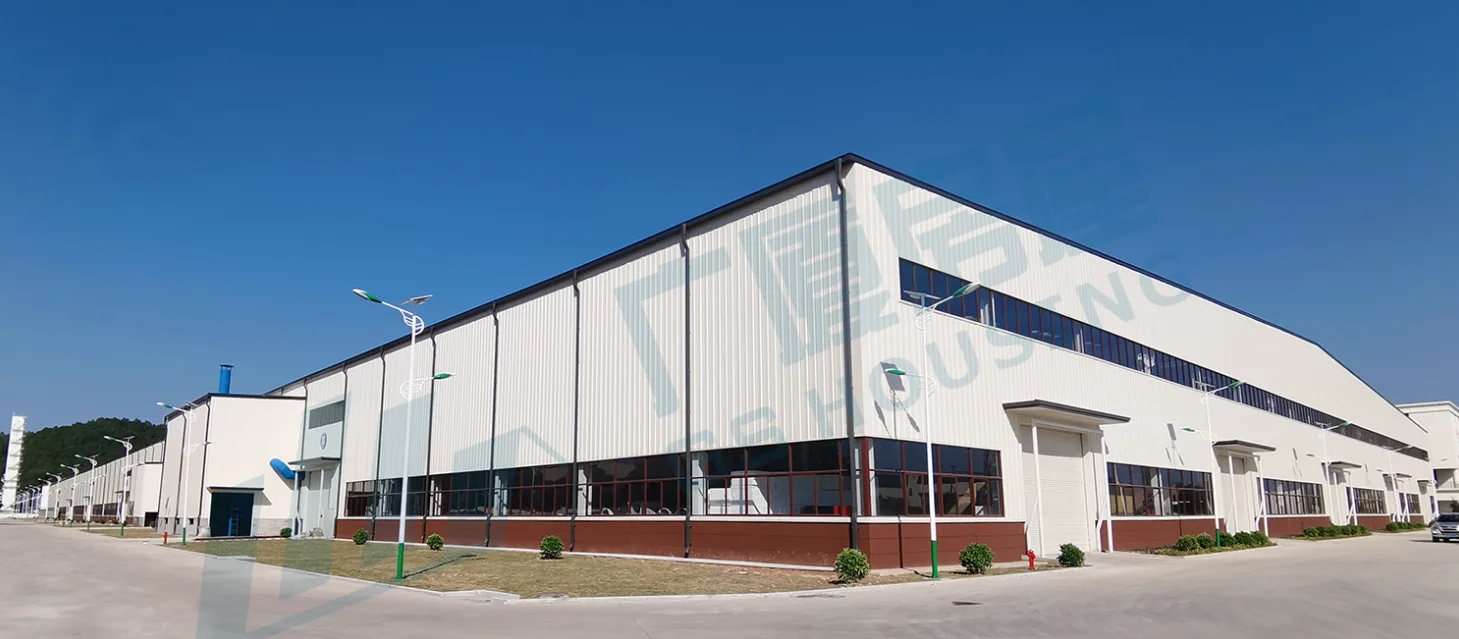
GS Housing Modulgebäude werden in fortschrittlichen Fabriken konzipiert und gebaut, nicht auf offenen Baustellen. Diese einfache Veränderung ändert alles.
Fabrikbasierte Produktion reduziert Abfall und Arbeitskraft
Jedes Modul – Wände, Isolierung, Verkabelung, Sanitär – wird unter kontrollierten Bedingungen präzise gefertigt. Es gibt keine Ausfallzeiten durch Regen, keinen Materialverlust und nahezu keine Nachbearbeitung. Im Vergleich zum herkömmlichen Bau reduziert das System den Abfall vor Ort um bis zu 70% und spart rund 50% im Energieverbrauch während der Produktion.
Und weil alles standardisiert ist, kann GS Housing über 200.000 modulare Einheiten pro Jahr in allen Bereichen produzieren. sechs nationale Anlagen ausreichende Kapazität, um Schulprojekte überall in China oder im Ausland zu unterstützen.
Schneller Bau für schnellere Schuleröffnung
Während ein herkömmliches Campusgebäude 12 bis 18 Monate dauern kann, können modulare Klassenzimmer in nur wenigen Wochen installiert und einsatzbereit sein. GS Housing hat diese Geschwindigkeit in Projekten wie der Xianghe Middle School in Hebei und der Shenzhen Secondary School bewiesen, die beide in engen Bildungsfenstern abgeschlossen wurden.
Senkere Lebenszykluskosten durch nachhaltiges Design
Jede GS-Moduleinheit ist aus Stahl gefertigt und auf 8 Grad Seismikbeständigkeit und 12 Stufen Windlast getestet. Mit einer Lebensdauer von über 20 Jahren erfordern diese Gebäude minimale Wartung. Die Verwendung von Graphenpulverbeschichtungen hält Oberflächen jahrzehntelang farbenfroh.
Wie modulare Häuser verschiedene Schuleinrichtungen unterstützen
Eine Schule zu erweitern geht nicht nur um Klassenzimmer. Der modulare Ansatz von GS Housing kann fast jeden Teil des Campus-Lebens abdecken.
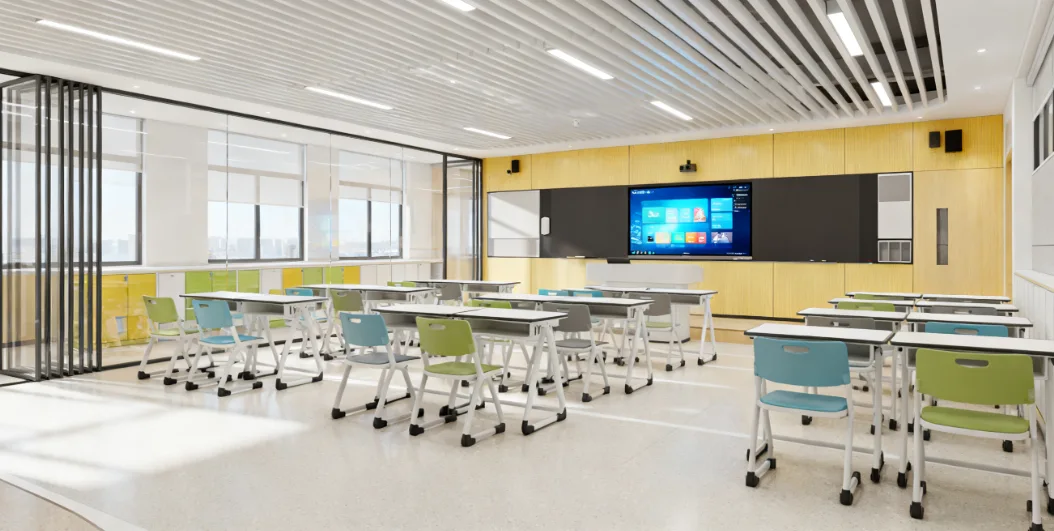
Klassenzimmer und Schulungszentren
Von STEM-Laboren bis hin zu Kindergartenspielräumen können modulare Klassenräume in einem oder zwei-stöckigen Layouts angeordnet werden. Möchten Sie Mitte des Semesters erweitern? Zusätzliche Module können horizontal oder vertikal ohne strukturelle Nachbearbeitung angeschlossen werden.
Gymnasiume und Sporträume
Modulare Hallen mit großer Spannung ermöglichen Indoor-Basketball, Tischtennis oder Tanzübungen - Räume, die sich später in Versammlungs- oder Prüfungsräume verwandeln können.
Schlafzimmer und Cafeterias
GS modulare Schlafsäle bieten komfortable, temperaturgesteuerte Wohnräume für Schüler und Lehrer. Integrierte Kantinenmodule umfassen kommerzielle Speisesäle und Lagerung - alle vorgefertigt und als schlüsselfertiges Paket installiert.
Verwaltungs- und Bibliotheksräume
Sie brauchen neue Büros, eine Bibliothek oder ein Studentenservicezentrum? Modulare Gebäude können bestehende Schularchitektur mit maßgeschneidert Fassaden, Isolierung und Inneneinrichtungen. Das Ergebnis sieht aus und fühlt sich an wie ein dauerhaftes Gebäude – nur in einem Bruchteil der Zeit geliefert.
Warum GS Housing Modular Solutions für Bildungsprojekte geeignet sind
GS Housing ist nicht neu für schnelle, großflächige Gebäude. Das Unternehmen hat mehr als 2.000 Projekte unterstützt, darunter Hochdruckbauten wie das Wohnhaus der Olympischen Winterspiele in Peking, Antiepidemiekarantänezentren und das saudische NEOM-Lager für 10.000 Einwohner. Dieselbe Effizienz treibt nun Bildungsprojekte an.
Nachgewiesene Erfahrung in Schulprojekten
In den vergangenen zwei Jahrzehnten hat GS Housing modulare Schulen und Kindergärten in ganz China geliefert - von Vorschulcampussen in Henan bis hin zu öffentlichen High Schools in Hebei. Jedes Projekt kombiniert modulares Engineering mit maßgeschneiderten Lehrlayouts und lokaler Code Compliance.
Sechs nationale Fabriken für den schnellen Einsatz
Mit Produktionszentren in Guangdong, Jiangsu, Sichuan, Tianjin und Liaoning kann GS Housing Module innerhalb von Tagen überall in China versenden. Dieses Netzwerk gewährleistet eine konsistente Qualität und eine synchronisierte Versorgung - von entscheidender Bedeutung für große Bildungsprogramme mit mehreren Standorten.
Nachhaltig und sichere Baunormen
Jedes Modul erfüllt Brandbeständigkeit und akustische Leistungsstandards, mit nicht brennbaren Wandplatten und integrierter Isolierung. Der Fabrikprozess spart etwa 60% Beton und 70% Bauabfälle und unterstützt grüne Campus-Initiativen und Chinas Ziele von „CO2-Peak und Neutralität“.
Wie modulare Häuser einen langfristigen Wert für Schulen sicherstellen
Schneller zu bauen ist großartig, aber Schulen brauchen auch eine Infrastruktur, die Jahrzehnte lang anhält. Modulare GS-Systeme sind für langfristige Bildungsanwendungen konzipiert – flexibel, effizient und einfach zu warten.
Wiederverwendbarkeit und Erweiterbarkeit
Wenn die Einschreibung fällt oder ein Campus verlegt, können dieselben modularen Einheiten demontiert und an anderer Stelle wiederverwendet werden. Dadurch werden Abfall- und Umzugskosten reduziert. Viele lokale Bildungsbüros halten jetzt einen "schwebenden Bestand" von Klassenmodulen für temporäre oder Notfallnutzung.
Energieeffizienz und Umweltvorteile
Fabrikpräzision bedeutet bessere Isolierung, engere Verbindungen und weniger Luftleckage - eine Verbesserung der Energieleistung um 8-15% im Vergleich zu herkömmlichen Schulgebäuden. Solarpanelen und intelligente Beleuchtungssysteme können direkt in der Konstruktionsphase integriert werden und verwandeln jeden modularen Campus in ein lebendes Labor für die Nachhaltigkeitsbildung.
Niedrige Wartung und hohe Rendite
Mit standardisierten Stahlkonstruktionen, wasserdichten Dächern und modularen elektrischen Systemen ist die Wartung minimal. Die Routinewartung kann vom eigenen Anlagenteam der Schule durchgeführt werden - keine Notwendigkeit für komplexe Baumannschaften. Während seines Lebenszyklus kostet ein GS-Modulgebäude in der Regel 20-30% weniger in Betrieb und Wartung als ein herkömmlicher Bau.
Sind Sie bereit, die Zukunft Ihrer Schule zu gestalten?
Von ländlichen Kindergärten bis hin zu städtischen Universitäten definiert der modulare Bau neu, wie Schulen wachsen. Die bewährte Technologie von GS Housing verbindet Geschwindigkeit, Sicherheit und Nachhaltigkeit – und verwandelt Expansionskopfschmerzen in gut geplante Erfolgsgeschichten.
Wenn Ihr nächstes Projekt schnelle Klassenzimmer, ein neues Schlafsaal oder einen gesamten modularen Campus benötigt, ist GS Housing bereit, die Zukunft der Bildung mit Ihnen aufzubauen.
Häufig gestellte Fragen
Q1: Sind modulare Klassenzimmer vorübergehend?
A: Nicht unbedingt. GS Modulgebäude können als temporäre oder dauerhafte Anlagen eingesetzt werden. Mit 20 Jahren Lebensdauer und starkem Stahlrahmen nutzen viele Schulen sie als dauerhafte Strukturen.
Q2: Können wir das Design anpassen, um bestehende Gebäude anzupassen?
A: Absolut. GS Housing bietet individuell anpassbare Fassaden, Farben und Layouts. Die Module können sich nahtlos in die traditionelle Architektur integrieren oder als moderne Lernhoben allein stehen.
Q3: Wie schnell kann eine modulare Schule geliefert werden?
A: Abhängig von der Größe können kleine Klassenzimmer-Cluster in 2-4 Wochen fertig sein, während Vollschule-Campussen nur 2-3 Monate von der Konstruktion bis zur Übergabe dauern können - viel schneller als jeder herkömmliche Bau.



