

 Spanish
  English
  Arabic
  French
  German
  Italian
  Portuguese
  Russian
  Turkish
How to Reduce Prefab Container Building Logistics Costs for Remote Projects
How to Reduce Prefab Container Building Logistics Costs for Remote Projects
Transporting modular buildings to isolated locations presents real challenges. For projects like distant mining sites or large ongoing developments, the task of transporting large modular components can lead to high expenses. Factors such as changing weather, poor road conditions, and long distances from main transport centers all affect the overall cost and arrival times.
An experienced supplier of modular houses can help greatly in these situations. GS Vivienda provides prefabricated modular building solutions for remote project sites, including workforce accommodation, site offices, bathrooms, dining facilities, and camp facilities. Its modular design, factory production, and project-based packing solutions help support more efficient transportation and on-site assembly.
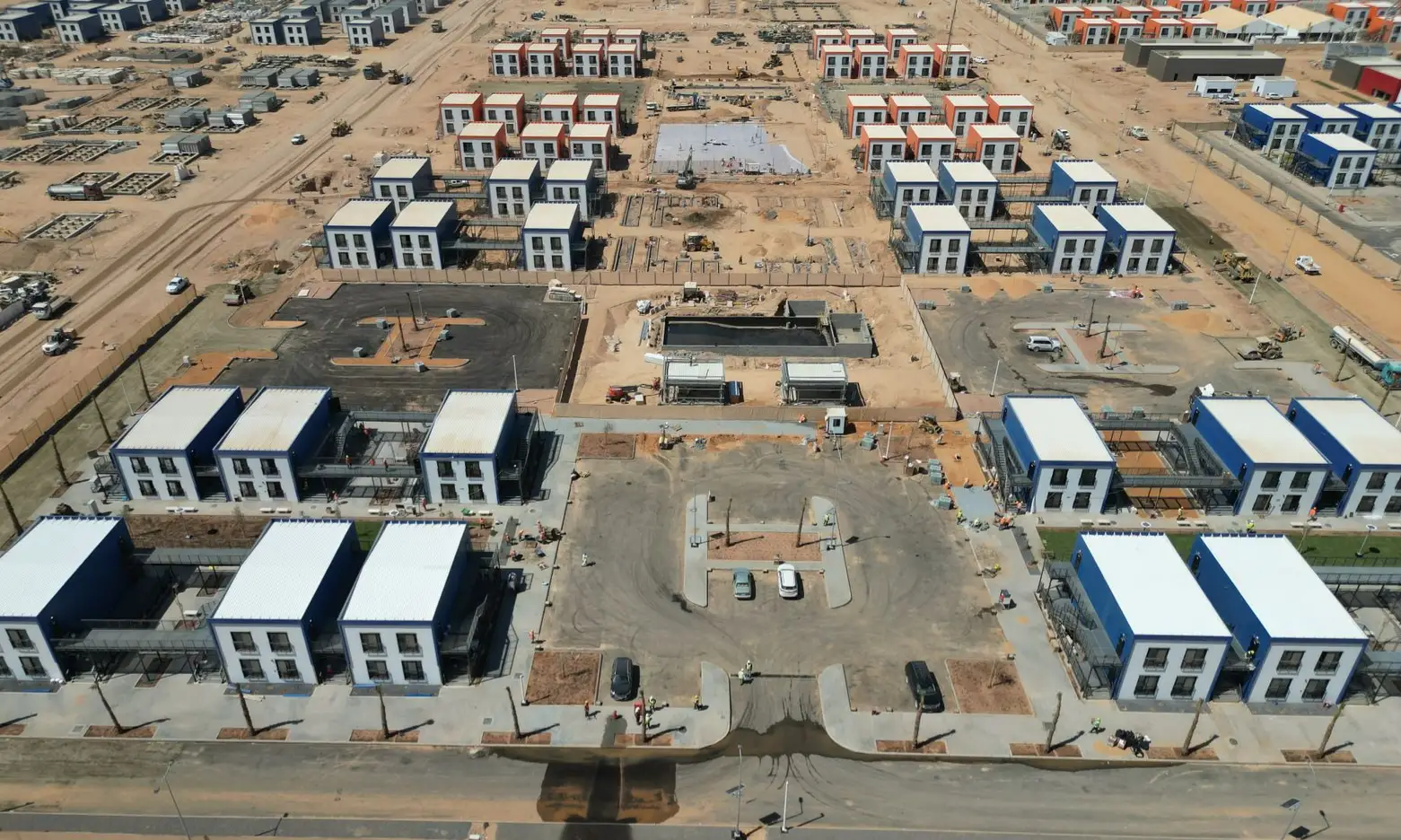
Key Strategies for Reducing Modular House Logistics Costs
Cost-saving Strategies for Transporting Modular Homes
Planning the route carefully comes first, before any vehicle starts moving. This goes beyond simply choosing between road, rail, or sea options. It requires examining key details closely. Teams must check for obstacles like narrow roads, low bridges that might damage parts, and weight restrictions that could halt the load. By selecting the straightest and clearest path, groups can avoid expensive delays and penalties at local inspection points.
Optimized Delivery Plans to Reduce Logistics Costs
Weather often acts as the main uncertain element, especially in areas prone to cold. A quick storm with heavy snow or slippery roads with strong winds can stop a group of vehicles completely. Such events increase transport expenses and disrupt project schedules. To address this issue, several companies provide tailored delivery arrangements. These include route assessments and ongoing weather tracking, which help secure the best possible arrival period.
Modular House Shipping Solutions to Maximize Cost-Effectiveness
Delivering modular homes calls for specific equipment. Depending on the size of the units, sturdy trailers and flatbeds serve as common choices. Working with a supplier who has handled such tasks before guarantees the use of appropriate tools for the given landscape. This method prevents unexpected holdups or harm to the structure during unloading. In addition, GS Housing designs modular units and packing solutions to improve loading efficiency. As a result, the parts work well with shipping methods that keep costs low.
Impact of Smart Logistics on Modular House Transportation Efficiency
Ensuring Timely Transportation to Remote Areas
Time holds great value in modular building work. Evidence shows a clear advantage in speed and expense for modular homes compared to standard construction methods. These homes cut down delivery periods and simplify overall transport costs. This benefit appears most in shipments to far-off or tough locations.
| Factor | Modular Homes | Traditional Construction |
|---|---|---|
| Delivery Time | 2-5 weeks | 3-6 months (Materials) |
| Logistics Costs | Lower (Consolidated) | Higher (Fragmented) |
| Weather Resilience | High | Low |
| Site Assembly Time | 1-2 weeks | 3-6 months |
Smart Logistics and Route Planning to Avoid Unnecessary Costs
Handling the movement of these units demands careful attention to local terrain. It resembles a game of strategy against the land’s features. In hilly areas, workers regularly measure how much space trailers need to turn on sharp curves. They also consider steep slopes that strain vehicle engines. Effective logistics involves dealing with rules and regulations. This includes obtaining special permits for oversized loads, which set rules for travel times and approved paths. Such steps help prevent expensive problems related to technical issues.
GS Housing’s Safe and On-Time Delivery Services
Getting modular homes to the site without issues requires strong safety measures. GS Housing can support quality checks before shipment and provide packing guidance, loading coordination, and delivery-related documentation support according to project requirements. The goal is to spot and handle any dangers early. Units stay firmly attached to avoid damage from movement. For oversized or special cargo, GS Housing can coordinate with freight forwarders and project partners to support documentation, packing information, and transportation planning. This approach keeps projects moving without delays caused by non-compliance with local transport requirements, which often affect less prepared teams.

How Bulk Shipping Can Minimize Modular Housing Delivery Fees
Bulk Shipping Techniques for Long-Distance Projects
One effective way to lower costs lies in adopting grouped transport methods. When multiple modular units travel to the same place, combining them cuts the price for each one. Connecting with a supplier experienced in transportation for prefabricated houses offers valuable support for such grouped deliveries and timing. Their knowledge allows for smooth movement of several units. In turn, this reduces charges from unused transport resources.
Shipping Modular Homes in Large Quantities to Reduce Per-Unit Costs
Sending several modular units to a single area through combined efforts greatly lowers the delivery expense for each item. Careful planning of schedules also plays a role. It ensures that vehicles do not sit idle between stops, which helps control costs further. When the group reaches the destination, equipment like cranes and assembly workers can operate at full capacity without waiting.
Handling Cold-Weather Zone Deliveries Efficiently
For cold-region deliveries, transportation plans should consider seasonal weather, road accessibility, port conditions, loading equipment, moisture protection, and local handling requirements. For remote or low-temperature project sites, GS Housing can work with logistics partners to recommend suitable packing and transportation methods based on product size, quantity, route, and delivery schedule.
Conclusión
Reliable Transportation Services for Cost-Effective Projects
Within modular construction, teaming up with an expert supplier shifts the outcome significantly. Proper planning, suitable tools, and dedicated transport aid lead to safe and affordable arrivals. GS Housing provides project-based modular building solutions and transportation support to help improve delivery efficiency and cost control.
Request a Modular Building Solution for Your Project
Share your project location, product type, required quantity, delivery schedule, and site conditions with GS Housing. Our team will recommend a suitable modular building and transportation plan for your project. Contact us today to request a customized quotation.
Preguntas frecuentes
Q: How are transportation costs for modular homes calculated?
A: Costs are based on distance, route accessibility, and unit dimensions. Consolidated shipping and optimized routes help reduce the total bill.
Q: How long does it take to transport modular homes?
A: Transportation time depends on the destination country, shipping route, product type, order quantity, customs clearance, inland transportation, and weather conditions. For an accurate schedule, please confirm the project location and delivery requirements with GS Housing.
Q: What makes modular home transportation more cost-effective?
A: The process gains efficiency from shipping ready-made units in full pieces. As a result, fewer journeys occur, and weather disruptions at the work area are minimized.



