

 Spanish
  English
  Arabic
  French
  German
  Italian
  Portuguese
  Russian
  Turkish
How Emergency Container Solutions are Revolutionizing Disaster Relief Housing
How Emergency Container Solutions are Revolutionizing Disaster Relief Housing
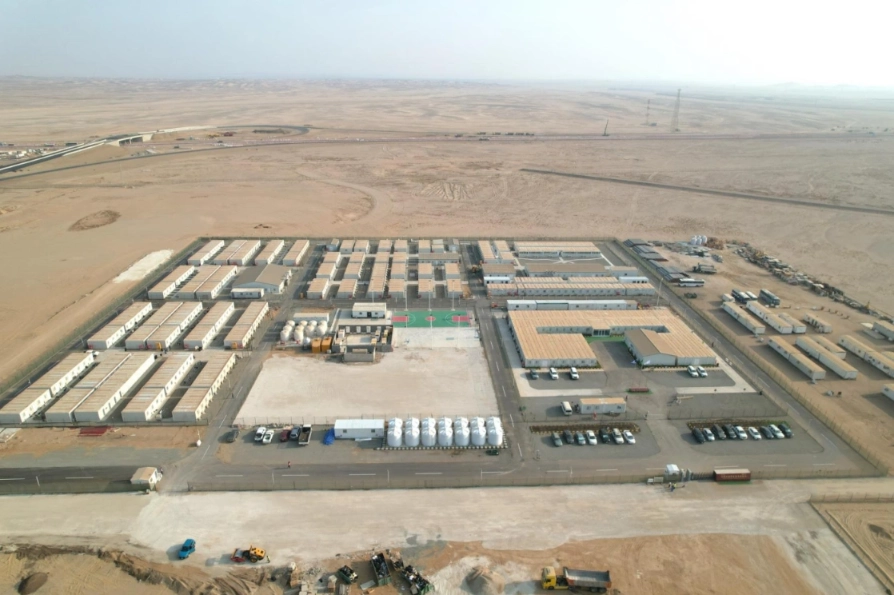
When a disaster strikes, time becomes the most pressing factor. Whether it involves an earthquake, a flood, or the sudden movement of large groups of people, the main focus remains providing secure spots for rest and shelter. For many years, efforts depended on basic tents or basic short-term shelters, but these options often fell short for ongoing recovery efforts. This is where emergency container houses make a real difference. They go beyond simple shipping containers; instead, they serve as practical, adaptable homes that transform an open area into a working settlement within just a few days.
At GS Vivienda, we have witnessed firsthand how this approach connects disorder with order. By moving the main production tasks from the affected area to our managed factory lines, we manage to supply solid housing much quicker than most would expect.
Why Is Speed Critical in Disaster Relief Housing Deployment?
During a crisis, each moment gained means more people kept out of harm’s way. Standard building methods simply take too long; waiting weeks for materials to set is not feasible when families face harsh weather. Quick response goes beyond a helpful feature—it separates effective aid from further troubles in the relief process.
Rapid Assembly With Flat Pack Container Houses
Our casas de contenedores de paquete plano focus on one goal: setting up operations swiftly. Different from usual modular pieces that arrive as complete units, these flat packs come as folded parts that save space. As soon as they reach the location, a group of about eight to ten people can put together a single unit in a short period. It works much like assembling large building blocks, since the core strength comes pre-made, and the only task left involves connecting the pieces.
Factory-Preinstalled Utilities Reducing On-Site Work
The key to our fast pace lies in completing most tasks before transport even begins. We fit in roughly 80% to 90% of the essential elements ahead of time, such as the base flooring, overhead panels, and even the basic electrical and water systems. Therefore, when the sections arrive on location, there is no need to call in specialists for basic setups, because the wiring and pipes already sit within the walls. This ready-to-use method greatly lowers the amount of work required at the site, which proves essential in areas where finding trained help is challenging after a disaster.
Efficient Global Transportation and Logistics
Transporting empty space costs a lot and takes time. Since our designs pack flat, we fit several units into one transport container or vehicle. As a result, we can deliver enough housing for a whole group in a single shipment, which streamlines the supply process and ensures that the shelters arrive alongside the aid workers.
How Do Emergency Container Houses Improve Safety and Living Conditions?
Getting structures in place quickly means little if they cannot withstand further threats like storms. Many people assume that short-term setups lack strength, yet current modular methods show the reverse. In fact, these builds often prove more resilient than the regular dwellings they aim to replace.
Seismic and Wind-Resistant Steel Structure
Protection begins with the basic frame. Our setups rely on a strong steel framework tailored to manage the forces that damage typical stone or brick constructions. So, whether facing ongoing tremors from an earthquake or strong gusts from a storm, the adaptable but firm steel design soaks up impacts without breaking apart.
Fire-Resistant and Insulated Wall Systems
Staying in a steel enclosure can turn uncomfortable without proper barriers. We employ effective wall setups that function as heat shields. They block out summer warmth and hold in winter heat. Even more crucial, these sections resist fire, offering vital protection in busy relief areas where risks of flames remain high.
Integrated Water, Power, and Sanitation Modules
Without basic services, a structure offers only basic cover. Our emergency options include built-in sections for clean water, electricity, and waste handling. We can arrange units to serve as cooking areas, washing stations, or bathing spots, all featuring simple-to-maintain, long-lasting surfaces. Such combined features make sure that the temporary site provides not just rest, but a setting that supports well-being and respect for those staying there.
Why Are Flat Pack Container Houses Ideal for Large-Scale Emergencies?
Handling large numbers of affected individuals calls for a method that grows without becoming unmanageable. Modular building fits well for group housing because it approaches construction like assembly-line work.
Scalable Modular Design for Mass Accommodation
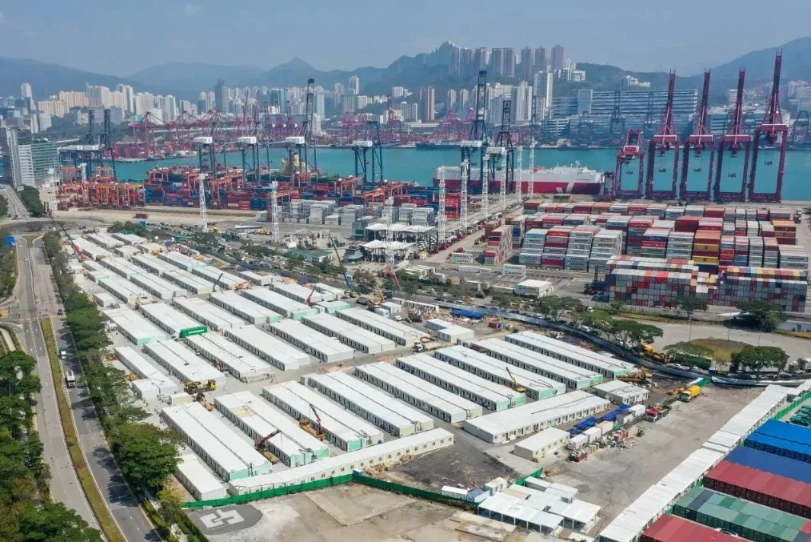
With each piece following a set pattern, we can increase output to match high needs. Whether the order involves 100 units or thousands, the steps stay consistent. Thus, we build extensive living zones that appear structured and secure, avoiding the disorder common in rushed camp setups.
Flexible Layouts for Housing, Clinics, and Command Centers
Aid work extends beyond sleeping quarters. It requires medical posts, workspaces for helpers, and supply points. Our modular approach allows the core unit to adapt into advanced treatment rooms with special surfaces and air controls, or into busy control hubs for officials, all from the same starting design.
Multi-Story Configuration Maximizing Limited Land
In some cases, open space for building remains scarce. Our container houses stack into taller arrangements. This setup lets aid groups fit more residents into a compact area, freeing up ground for key facilities like health centers or learning spaces.
How Does Modular Construction Support Sustainable Disaster Recovery?
One strong advantage of container-based solutions is their potential for repeated use. Unlike standard relief shelters that often become discarded after the immediate phase, modular pieces fit into a reuse cycle.
Reduced Construction Waste Through Factory Production
On-site assembly creates clutter and excess. Within our plants, we apply precise cutting tools and uniform components, cutting material loss by about 70% to 90% compared to usual methods. Plus, any leftover steel or filler materials get processed for reuse directly in the facility.
Reusable Units for Multiple Emergency Cycles
Our designs allow for easy transport. Once a group has restored their main dwellings, these container units fold back flat, enter storage, or move to another site in need. Therefore, they offer better value for public agencies and aid groups than single-use builds like basic wooden frames.
Energy-Efficient Envelope for Long-Term Use
When rebuilding stretches over months or years, high running costs burden those affected. Our units meet strict energy guidelines, frequently surpassing on-site builds in sealing and warmth retention. Consequently, they reduce overall environmental impact while providing steadier comfort for families during extended stays.
What Makes GS Housing Stand Out in Emergency Container Solutions?
We entered this field back in 2001, and experience has taught us that success in crises demands more than quality items—it requires a dependable collaborator.
Proven Disaster Relief Project Experience
Projects like the Moherman Hydroelectric camp in Pakistan and the Xiongan New Area in China have tested our ability to manage tough supply issues. We understand operating in tense situations and delivering results when needs are urgent.
Six Manufacturing Bases Ensuring Rapid Supply
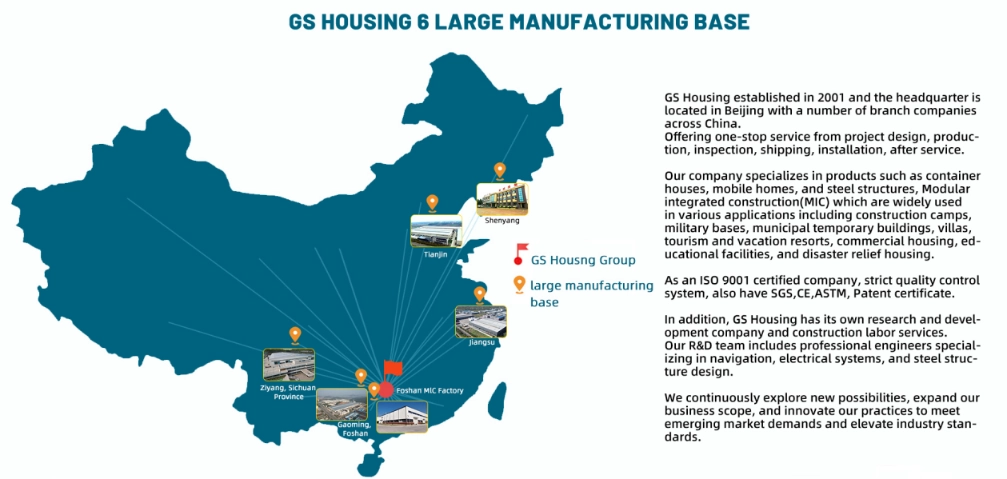
We avoid depending on a single site. With six key production centers across China, we cover a total of 500,000 square meters for manufacturing. This setup lets us produce up to 200,000 sets of modular houses annually, so we can address any scale of crisis without delays.
Turnkey Solutions From Design to Installation
Our role extends beyond sending out units and ending there. GS Housing delivers complete turnkey support. We assist in early planning and layout, oversee production, coordinate worldwide delivery, and supply expert groups to guide setup at the location. We remain involved until residents settle into their new spaces.
Ready to Upgrade Disaster Relief Housing With GS Housing Solutions?
If you seek a quicker, more secure, and eco-friendly method for emergency shelter, we invite discussion. Our specialists can tailor a plan to suit your requirements, from isolated work camps to major relocation efforts.
FAQs
Q1: How long does it actually take to set up one house?
A: In relief situations, fast action matters most. A crew of eight to ten skilled individuals can usually put together one flat pack unit within hours, since elements like bases and tops come pre-completed from the plant.
Q2: Can these units handle extreme weather?
A: Yes. They feature sturdy steel frames and barrier panels built to endure ground shakes and heavy winds. As a result, they provide greater safety and longevity than the common tents or simple frames used in aid operations.
Q3: What happens to the houses once the disaster recovery is finished?
A: A standout aspect of our approach is its reusability. The units disassemble, pack flat, and shift to fresh sites or storage for later needs. This quality makes them a practical and green choice for ongoing strategies.



