

 Spanish
  English
  Arabic
  French
  German
  Italian
  Portuguese
  Russian
  Turkish
The Benefits of Prefabricated Homes for Emergency Housing and Disaster Relief
The Benefits of Prefabricated Homes for Emergency Housing and Disaster Relief
Sudden natural disasters, conflicts, or health crises can force thousands from their homes in an instant. In such situations, shelter goes beyond basic protection. It involves security, respect, and basic survival needs. Standard building approaches frequently fail to match this pressing demand. That is why ready-made homes, particularly modular and flat pack container houses, gain popularity for urgent housing and relief efforts around the globe.
GS Vivienda brings over twenty years of know-how in modular building. The company has supplied relief camps, health centers, and short-term communities in areas hit hard by disasters. Our ready-made setups aim to deploy swiftly, hold up well, and fit practical demands where time and supplies run short.
Why Do Prefabricated Homes Respond Faster During Emergencies?
Disasters demand quick action more than fancy designs or drawn-out permits. The main strength of prefabricated homes lies in their ability to convert designs into practical spaces in a short time.
To grasp specific traits, consider this essential fact first. Much of the labor occurs before the pieces arrive at the location.
Rapid Deployment Capability
Workers assemble prefabricated homes in controlled factory settings. Meanwhile, crews prepare the ground at the same time. This overlapping method shortens timelines by weeks or months. For urgent housing needs, such savings prove vital.
GS Housing ships modular pieces as simple-to-put-together kits. After arrival, setup requires mainly hoisting, securing with bolts, and linking services. In various aid operations, teams establish a working living zone in mere days. This holds true even in isolated or wrecked spots.
Such quickness explains why GS Housing earned roles in major disaster aid, like camps for floods and quakes.
Factory-Completed Functions Reducing On-Site Work
In crisis areas, finding trained workers proves tough. Conditions on the ground stay rough at best. Prefabricated homes address these issues by finishing key tasks inside factories under steady oversight.
Crews install wall setups, padding, power lines, water pipes, entries, openings, and simple inside surfaces ahead of time. Field groups skip complex building steps. Instead, they handle joining parts together.
Aid groups benefit from fewer hazards, fewer mistakes in the field, and spaces ready for use right after setup ends.
Efficient Logistics With Flat Pack Container Houses
Moving supplies often creates major delays in relief work. Paths might suffer damage, docks face backups, or entry points stay restricted. Casas de contenedores de paquete plano tackle these exact hurdles head-on.
GS Housing crafts flat pack setups by dividing each piece into uniform parts. These fit snugly when stacked for travel. As a result, more units load per shipment, cutting transport expenses. At the site, workers put the parts together fast to form full living areas.
This smart transport method suits overseas aid tasks and big group rollouts perfectly.
How Do Prefabricated Homes Improve Safety and Durability in Disaster Zones?
Quick setup matters, yet it falls short without protection. Urgent shelters must guard against ongoing shakes, tough weather, blaze dangers, and drawn-out wear. After fast placement, focus shifts to security and solid build quality.
Robust Structural Strength Against Earthquakes and Strong Winds
GS Housing builds prefabricated homes with steel frames tuned for heavy-duty loads. These setups undergo tests to match strict rules, covering resistance to fierce gusts and ground tremors.
Flat pack container houses feature strengthened edge supports and metal skeletons that spread weight evenly. Thus, they remain steady when piled or placed on rough terrain. Such setups appear often in disaster spots. In shake-risk zones, this build toughness offers reassurance to dwellers and support teams alike.
Non-Combustible and Insulated Wall Systems
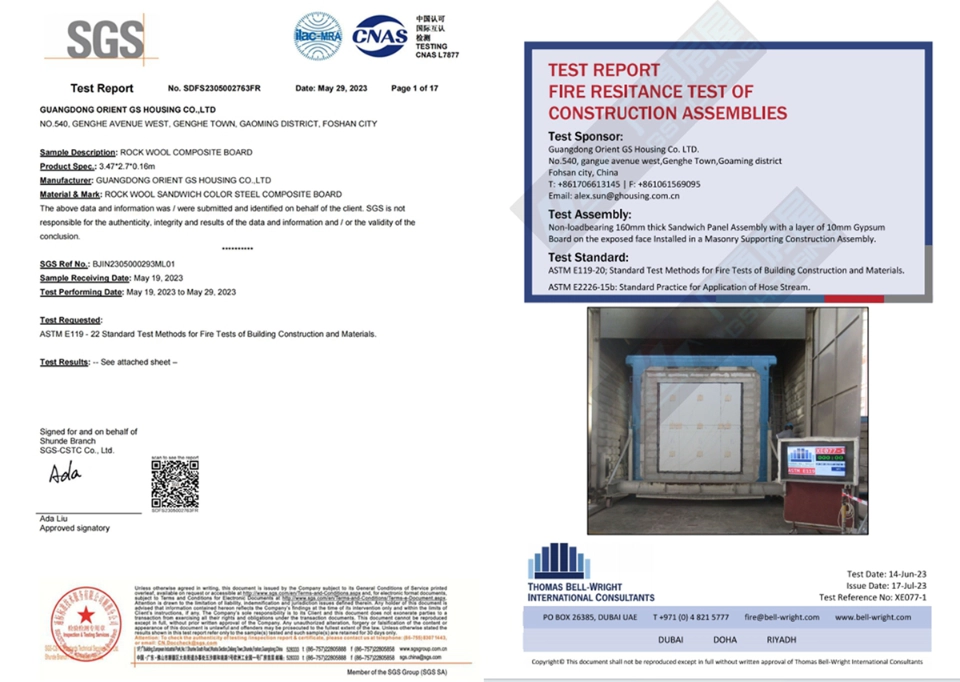
Blaze protection gets skipped too easily in rushed builds, but it remains essential. GS Housing uses flame-retardant padding and certified wall panels. Not only that, it has also passed the fire resistance test to create its ready-to-use protective shed series.
At the same time, good padding controls inside warmth levels. This proves key in spots with blazing days, chilly evenings, or damp air. Stronger padding cuts needs for extra heat or chill devices, which might prove hard to get.
Reliable Performance Verified Through Large-Scale Disaster Projects
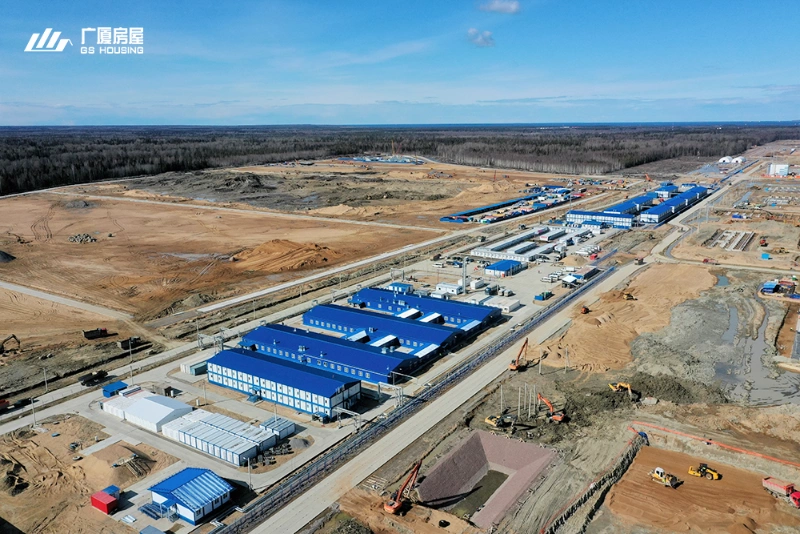
Ideas count only when they hold up in practice. GS Housing prefabricated homes appear in flood aid, quake rebuilding, and health crises.
Take big response jobs in China, for instance. GS Housing supplied heaps of urgent shelter pieces on tight schedules. These efforts checked not just item standards but also teamwork, supply chains, and field speed.
Such hands-on background proves hard to match. It often sways choices for state and nonprofit allies.
What Makes Flat Pack Container Houses Adaptable for Different Emergency Needs?
Urgent housing seldom fits a single mold. Health outposts differ greatly from refugee groups or control hubs. Adaptability shines brightest in flat pack container houses.
Before diving into arrangements, keep in mind that modular builds permit tweaks without starting over fully.
Flexible Space Combinations and Multi-Functional Layouts
One flat pack container unit works alone as a room. Or it joins others to build bigger zones. Setups turn into sleeping quarters, family spots, work areas, health rooms, separate sick bays, or supply holds.
Inside plans shift to fit the job at hand. Openings for light, entries, and dividing walls go where needed for real use, not set patterns. This bendability lets aid planners adjust to shifting demands as time passes.
Stackable and Expandable Module Configurations
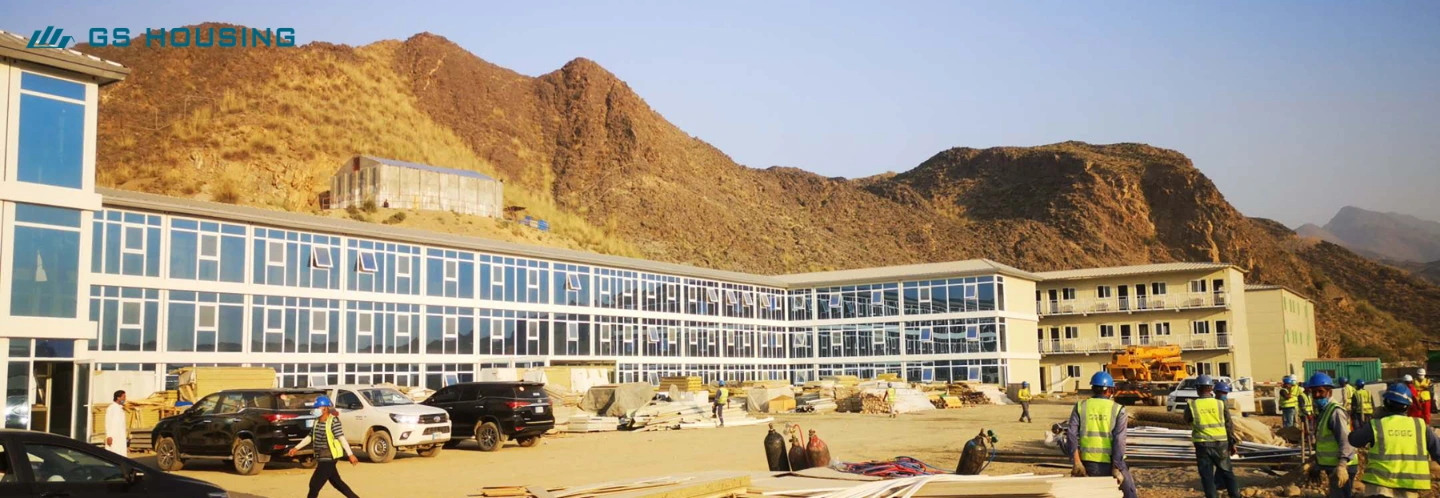
Open ground stays scarce in hit areas. GS Housing container houses stack up to three stories high. They use space wisely while keeping safety intact.
Should a site grow later on, fresh pieces attach side-to-side or up high. This step-by-step growth fits well when crowd sizes stay unclear or rise without warning.
Wide Application Coverage From Medical Units to Refugee Camps
Flat pack container houses serve past simple cover. GS Housing provides modular health centers, rolling clinics, hold-off spots, office blocks, learning rooms, and meal areas.
In health scares, certain medical setups run within hours of placement. This range of fit makes flat pack container houses apt for quick fixes and drawn-out healing stages.
How Do Prefabricated Homes Support Large-Scale Relief Operations?
Test runs work fine on small scales. But vast relief drives call for steady stock, even quality, and sure delivery dates. Here, making power and uniform methods turn crucial.
High-Capacity Production From Multiple Manufacturing Bases
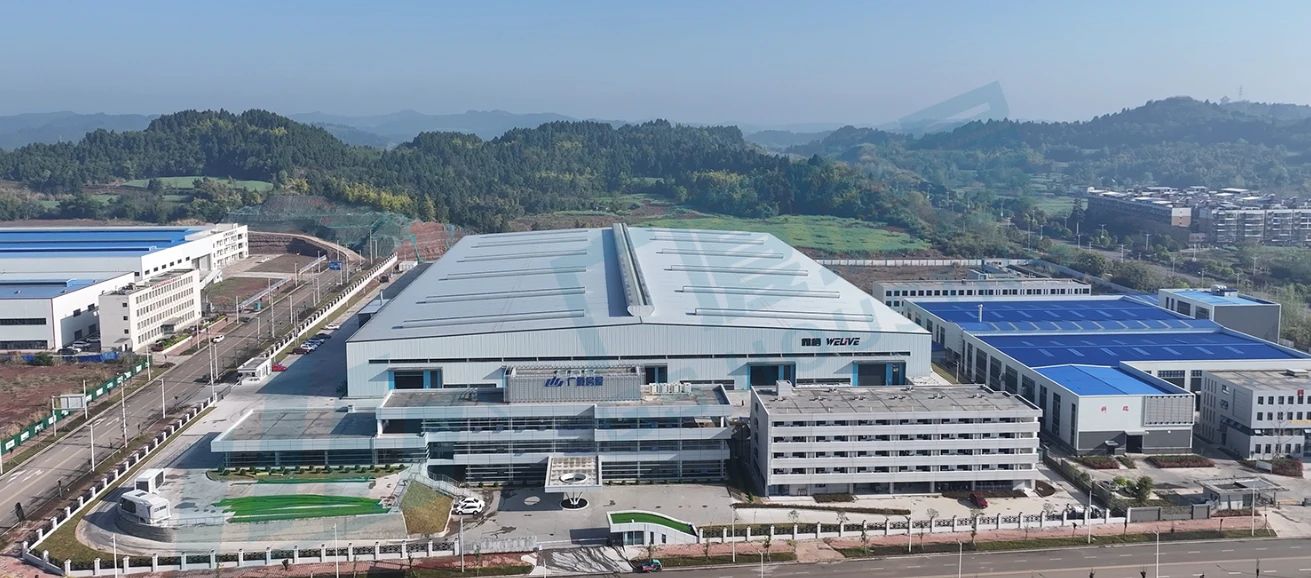
GS Housing runs six modular home plants in China. These sit near key shipping points. Combined, the sites yield high yearly volumes. Thus, the firm manages rush orders for big amounts.
For help groups, this setup brings faster turnaround and slimmer chances of stock breaks in busy times.
Standardized Modules Ensuring Fast, Consistent Delivery
Uniform ways do not spell low standards. They promise steady outcomes. GS Housing ready-made pieces stick to firm making rules. This keeps quality even over vast numbers of items. Such steadiness aids in sheltering crowds, as it cuts upkeep woes and boosts lasting value.
Integrated Utilities and Interior Finishes Ready for Immediate Use
Urgent shelters must work right when folks enter. GS Housing pieces include built-in power setups, water lines, lights, and basic inside layers.
After linking to outside power and water, the spots stand ready. No long field finishing tasks arise. This hastens transfer and eases planning loads.
Why Are Prefabricated Solutions More Sustainable for Emergency Housing?
Relief work carries green duties too. Short-term setups need not waste resources. Ready-made homes strike a fair balance among pace, expense, and eco-friendliness.
Reduced Waste Through Industrialized Manufacturing
Plant-based making lets teams control supplies closely. Unlike old-school builds, ready-made shelters produce much less scrap and draw on slimmer raw stocks.
Reusable Modules for Multiple Deployment Cycles
Flat pack container houses build for use over and again. Post-mission, teams take them apart, move them, and set them up in new places.
This repeat feature trims costs over time for aid bodies. It also lightens eco loads across several rollout rounds.
Energy-Saving Designs Beneficial for Long-Term Aid Programs
Plenty of urgent housing turns into lasting camps. GS Housing padded boards and power-smart plans hold running fees in check for ongoing stays.
Less power use lifts comfort for those inside too. Planners often miss this in first-stage setups.
Choose GS Housing to Support Your Emergency Housing Project
Urgent housing demands more than speedy shipments. It calls for proven skills, dependable systems, and strength in tough spots. GS Housing blends these elements well. Through tested ready-made shelter lines, strong making output, and field-tested crisis aid, GS Housing stands ready to back states, nonprofits, and global groups with pressing shelter issues. Under tight schedules and high expectations, choose GS Housing to support your urgent housing needs.
Preguntas frecuentes
Q1: How long does it take to install GS Housing prefabricated homes on site?
A: In most emergency projects, basic housing units can be installed within a few days after delivery, depending on site conditions and project scale.
Q2: Can flat pack container houses be used for permanent housing?
A: Yes. GS Housing systems can be designed for temporary, semi-permanent, or long-term use, depending on insulation, finishes, and local standards.
Q3: Are prefabricated homes suitable for extreme climates?
A: Yes. GS Housing offers insulation and structural options designed for hot, cold, windy, and seismic regions, making them suitable for a wide range of environments.



