

 French
  English
  Arabic
  German
  Italian
  Portuguese
  Russian
  Spanish
  Turkish
Top Benefits of Modular Container Houses for Emergency Shelters in China
Top Benefits of Modular Container Houses for Emergency Shelters in China
Natural disasters, public health crises, and abrupt population shifts place immense strain on shelter arrangements. In China, where quick response and vast scale count greatly, modular container houses serve as a sensible solution. These structures go far beyond temporary fixes. They represent engineered setups built for swift installation, reliable operation, and multiple applications in various crisis situations.
GS Logement, a China-based modular building producer with more than 20 years of know-how, has contributed significantly to this change. From quake aid camps to extensive medical isolation setups, its modular container houses have shown reliability in actual crises, far from mere concepts.
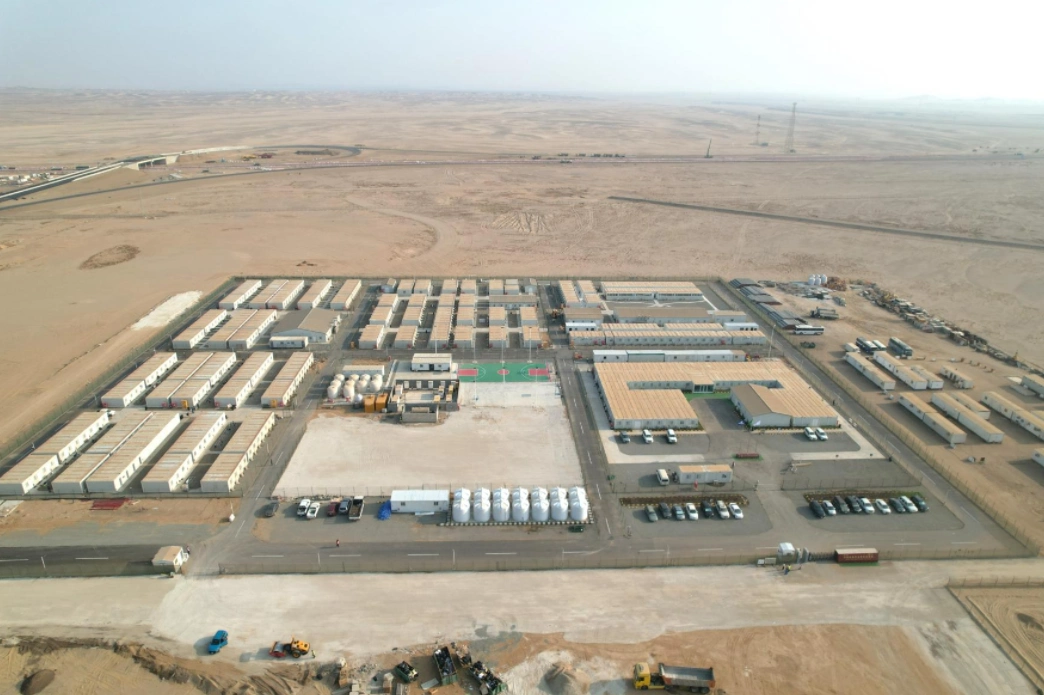
What Makes Modular Container Houses Ideal for Emergency Shelters in China?
Emergency shelters need to fulfill three core requirements: quickness, security, and capacity. Modular container houses tackle all these aspects in ways that conventional building methods frequently fail to match.
Before diving into specifics, it is useful to grasp why China leans toward factory-built options during crises. The country’s huge land area, diverse weather patterns, and common local disasters demand structures that respond rapidly and adjust easily.
Rapid Deployment and On-Site Assembly
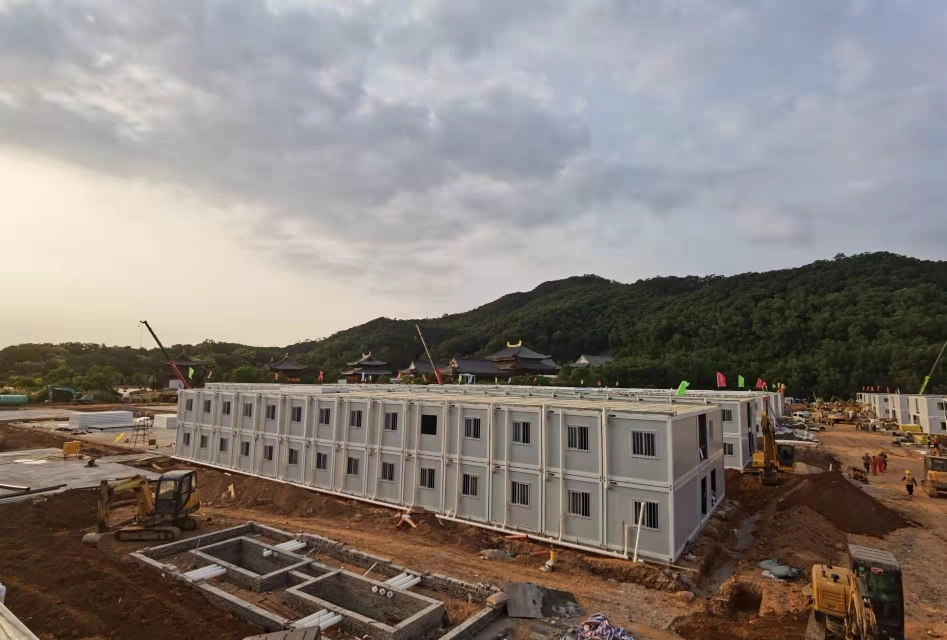
A major strength of modular container houses lies in their fast rollout. Much of the framework, padding, cabling, and inside work gets done in the plant beforehand. At the location, crews mostly handle placement, linking, and fastening the pieces.
GS Housing’s flat pack container houses come designed for smooth shipping. Parts arrive in tight packages and get put together on location using basic hoisting gear. In actual cases, a simple shelter piece can go up in just hours, rather than weeks.
Such quickness proved vital in earlier flood aid and quake recovery efforts across China, where crowds of folks required secure homes right away. Moreover, rapid installation cuts down time spent in tough outside weather for both staff and affected people.
Durable and Weather-Resistant Structures
Rapid deployment is meaningless if the structure cannot withstand local weather conditions. Shelters in China might deal with intense downpours in the south, icy winters up north, or fierce gusts along the coast.
GS Housing container units feature steel frames with proven weight-support strength. Wall setups use fireproof padding materials, providing defense against flames, dampness, and heat changes. These builds aim to stay steady amid aftershocks or high winds, a frequent worry after quakes or storms. As a result, these shelters provide a solid, secure living environment rather than a fragile temporary solution.
Cost-Effective and Scalable Shelter Solutions
Emergency responses must often operate under tight budgets and even tighter timelines. Modular container houses make expenses steady since making occurs in steady plant settings. Waste from materials drops, worker efforts become simpler to oversee, and standards hold steady for big batches.
Expandability stands out too. After a plan gets the go-ahead, GS Housing can churn out thousands of matching units from its several plants in China. This lets shelter sites grow from a handful of pieces to vast numbers without overhauling the entire setup.
Why Are Modular Container Houses Better Than Traditional Construction?
On-site building methods still fit certain spots, but during crises, they lag behind. Modular container houses transform the whole process. To spot the gap plainly, comparing how each handles tight schedules helps a lot.
Faster Turnaround From Factory to Site
Standard builds rely much on location factors. Poor weather, scarce workers, and supply holdups can drag things out. Modular methods sidestep many issues by moving most tasks to the plant.
GS Housing usually finishes 80–90% of the build before transport. As bases get ready on site, modules roll off the line. This side-by-side approach trims total wait time a great deal.
In crisis settings, this quicker shift often ensures shelters stand ready before short-term tents fail or dangers to health grow.
Lower Labor and Material Costs
Field building calls for big teams laboring extended shifts, usually in rough spots. That hikes worker expenses and hazard levels. Modular container houses demand smaller on-site groups, and jobs follow set patterns.
Resource handling stays tighter as well. Plant-based cutting and joining cut down scraps, and spare parts can feed back into later jobs. Across wide crisis plans, these gains add up notably.
Consistent Quality and Standardized Modular Units
Oversight of standards marks another flaw in usual crisis building. When haste takes over, craft can slip. GS Housing’s modular units come from mechanized or partly mechanized lines, with checks at every step. Each container house sticks to identical frame and safety rules. This steadiness matters hugely for health shelters, isolation homes, or lasting camp sites where breakdowns cannot happen.
How Do Modular Container Houses Perform in Extreme Conditions?
Crisis shelters often rise in the harshest spots. How they hold up under duress truly tests modular container houses. Before turning to ease or looks, frame strength and weather handling must lead.
High Wind and Seismic Resistance
China’s codes call for solid quake handling, particularly in shaky areas. GS Housing container houses undergo checks to hit top quake-proof marks and wind force limits.
The metal frame spreads loads evenly over the whole build. As pieces link into bigger forms, the setup gains extra firmness. Hence, they fit not just brief shelters but also half-lasting crisis homes.
Thermal Insulation and Climate Adaptability
China’s weather spans a broad range. A design fitting Sichuan might miss the mark in Inner Mongolia or Guangdong. GS Housing counters this with varied padding choices. Wall boards, roof setups, and glass options tweak to boost warmth in chilly spots or block heat in warm, wet ones. Such changes aid steady inside ease without big power draws.
Long-Term Durability With Minimal Maintenance
Plenty of crisis shelters linger in service well past first plans. Tents break down fast, yet modular container houses get made for ongoing use over years.
Steel frames fight rust, and tough coatings guard from sun rays and wet. Through routine care, these pieces can shift sites, reuse, or shift roles once the crisis wraps.
What Customization Options Do Modular Houses Offer?
Crisis shelters ought to seem habitable. Set patterns do not spell rigid limits. After core safety and function get covered, tailoring steps in to boost use and respect.
Flexible Layouts and Configurations
GS Housing modular container houses work solo or join side-by-side and up-down. Planners can thus form sleeping halls, family spots, health rooms, or control hubs from one core piece.
Inside plans shift for varied roles, like rest zones, work areas, or care spaces. This range cuts the call for diverse build types in crises.
Integrated Utilities and Comfort Features
Water lines, waste pipes, power wiring, and lights often come fitted in the plant. Add-on air systems, washrooms, and simple setups can join too.
For health or isolation needs, GS Housing brings skill in adding special gear like low-pressure rooms or separate lines. This built-in approach speeds install and lifts site safety.
Branding and Exterior Aesthetic Choices
Though not top on crisis lists, outside style counts, especially for public sites. Modular container houses take varied hues or board looks, aiding blend with areas or rule fits. Clear labels and uniform plans also ease running big camp sites.
Where Can GS Housing Modular Houses Be Used Beyond Emergency Shelters?
Numerous crisis builds do not vanish post-crisis. Their next phase often yields lasting worth. GS Housing modular container houses get crafted with reuse in view.
Temporary Clinics and Quarantine Facilities
In health crises, speedy medical areas prove key. GS Housing has supplied modular clinics and ward spaces that hit care safety rules and roll out fast. Later, these can move or turn into local health posts or traveling care units.
Field Offices and Command Centers
Crisis teams require practical work spots near the site. Modular container houses shape into offices, talk rooms, or info hubs with solid power and link setups.
After crisis work ends, these builds aid build projects, dig sites, or far-off factory tasks.
Community Support and Relief Stations
Shelters frequently turn into local centers, giving learning, meal shares, or aid services. Modular builds suit these shifts well since plans tweak without big frame changes. This range lets local leaders stretch crisis spending further.
Ready to Strengthen Your Emergency Preparedness?
Modular container houses stand as more than short-term crates. Within China’s crisis aid framework, they act as dependable build answers with checked results.
Thanks to vast making power, proven plans, and hands-on work in aid, health, and base projects, GS Housing provides modular container houses that fit true crisis calls. For groups looking ahead, putting funds into modular setups proves not just useful but visionary.
FAQ (questions fréquentes)
Q1: How long do modular container houses last in emergency use?
A: With proper maintenance, GS Housing modular container houses can last 20 years or more. Many units are reused across multiple projects.
Q2: Can modular container houses be used as permanent housing after emergencies?
A: Yes. Depending on design and local regulations, these buildings can serve as permanent or semi-permanent housing once the emergency phase ends.
Q3: How quickly can GS Housing deliver large-scale emergency shelter projects?
A: Delivery time depends on project size, but factory production and parallel site preparation allow thousands of units to be delivered and installed within weeks rather than months.



