

 Italian
  English
  Arabic
  French
  German
  Portuguese
  Russian
  Spanish
  Turkish
Come l'alloggio modulare sta supportando le esigenze in espansione delle industrie globali
Come l'alloggio modulare sta supportando le esigenze in espansione delle industrie globali
In molte parti del mondo, diverse industrie stanno crescendo più velocemente di quanto possano seguire i vecchi metodi di costruzione. I campi petroliferi si estendono più lontano, i siti minerari vanno più in profondità e le città continuano a chiedere più spazi pubblici. Molti progetti non possono aspettare mesi o anni per gli edifici tradizionali. A causa di questo, l'alloggio modulare è diventato lentamente una scelta comune.
GS Alloggicon anni di lavoro in sistemi prefabbricati e la sua vasta base di fabbriche, offre unità modulari che vengono costruite con qualità costante e arrivano quasi pronte all'uso. Le strutture vengono realizzate in linee di fabbrica pulite, poi spostate in siti di progetto dove i team le installano semplicemente e iniziano a lavorare.
In che modo l'alloggio modulare migliora l'efficienza nell'industria del petrolio e del gas?
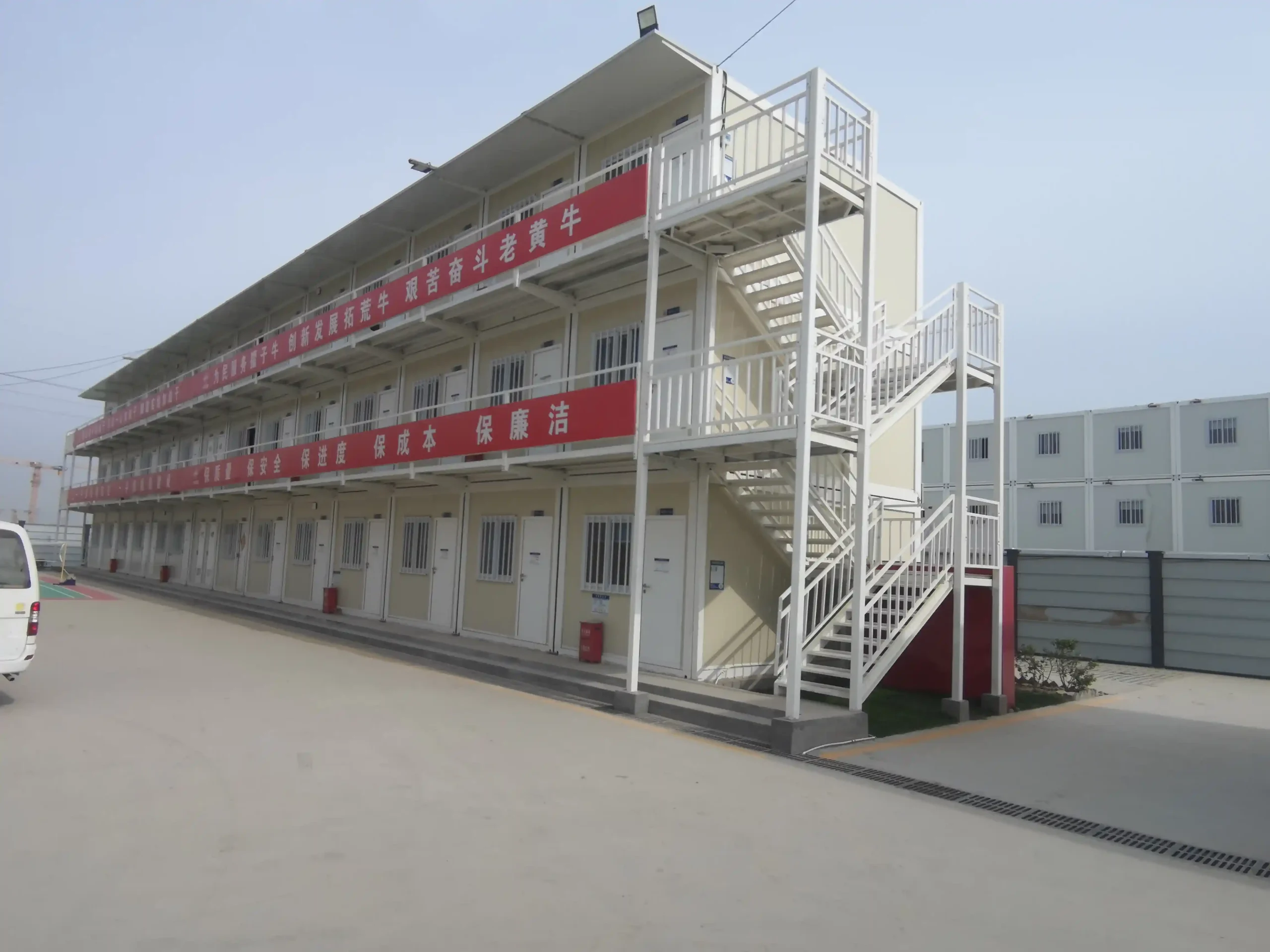
Il lavoro sul petrolio e il gas si svolge spesso in luoghi lontani dalle grandi città. I normali equipaggi di costruzione potrebbero richiedere lunghi tempi di viaggio e i materiali potrebbero non essere facili da trovare. Le case modulari aiutano a risolvere questi problemi perché arrivano come parti finite.
Alloggio a lungo termine della forza lavoro per progetti di gasdotti e GNL
Le linee di condotti e le stazioni di GNL di solito mantengono gli equipaggi in loco per lunghi periodi. I lavoratori hanno bisogno di una stanza tranquilla, di un salone semplice e di luoghi per la vita quotidiana. Gli edifici modulari lo rendono più facile.
La maggior parte dell'interno - come cablaggio, pannelli a parete e pavimenti - viene fatta in fabbrica. Quando l'unità raggiunge il sito, i team devono solo unire le parti. Il risultato è uno spazio di vita stabile che si sente più come una casa a lungo termine piuttosto che un capannone temporaneo.
Unità abitative resistenti alla corrosione per piattaforme offshore
I progetti offshore e costieri si occupano di aria salata ogni giorno. Questo può danneggiare rapidamente molti materiali. GS Housing utilizza pannelli in acciaio e non combustibili per le sue case di contenitori imballate piatte, dando agli edifici una forte resistenza alla ruggine e all'umidità.
Grazie a questo design, i manager possono collocare stanze lavoratori, aree di stoccaggio o piccole cabine di controllo vicino al mare senza preoccuparsi di riparazioni costanti.
Costruzione modulare su larga scala per esigenze di lavoro ad alta densità
Quando la costruzione raggiunge il suo periodo più impegnato, come le fasi di foratura o la saldatura di tubazioni, i numeri di manodopera possono improvvisamente aumentare. I campi modulari possono crescere con questi cambiamenti.
Ogni unità è un modulo di base. Diversi moduli possono unirsi per creare dormitori o bagni. Se il campo ha bisogno di più spazio il mese prossimo, più unità possono essere aggiunte. Ciò aiuta a mantenere l'intero progetto flessibile.
Perché la costruzione modulare diventa essenziale per le operazioni minerarie?
I progetti minerari spesso si trovano in luoghi dove la strada è aspra, il tempo è forte e i materiali da costruzione sono limitati. I sistemi prefabbricati aiutano le aziende a costruire spazi sicuri senza perdere tempo.
Campi minerari completamente attrezzati per siti remoti
Le squadre minerarie hanno bisogno di posti dove dormire, lavarsi e pianificare. I campi modulari aiutano a costruire queste aree rapidamente.
Le unità possono essere trasportate in camion, treno o persino sollevate da gru piccole. Funzionano anche bene su terreni irregolari perché il loro telaio in acciaio mantiene la forma anche quando la superficie non è perfetta.
Strutture di supporto chiavi in mano tra cui caffetterie e cliniche
Una base mineraria è più di camere da letto. Ha bisogno di una caffetteria, una clinica sanitaria, una sala riunioni e luoghi per immagazzinare attrezzature. Gli edifici prefabbricati GS Housing possono includere queste funzioni fin dall'inizio.
L'impianto elettrico, idraulica e finitura interna sono fatti all'interno della fabbrica. Una volta che i moduli raggiungono il sito, i team collegano solo acqua e energia. Gli edifici sono pronti quasi immediatamente.
Edifici prefabbricati in acciaio resistenti per ambienti duri
Inverni freddi, venti polverosi e forte luce solare possono danneggiare strutture deboli. GS Housing utilizza acciaio a freddo e giunti sigillati per proteggere le unità da queste condizioni.
Gli edifici offrono una forte resistenza al vento e una lunga durata di servizio. Molti progetti minerari riutilizzano le stesse unità per anni, anche quando vengono spostate da un sito ad un altro.
Come gli edifici prefabbricati migliorano la distribuzione delle infrastrutture e delle basi di difesa?
Le infrastrutture e i lavori di difesa spesso richiedono edifici stabili in breve tempo. Le unità modulari supportano questa necessità offrendo strutture ripetibili e pronte.
Base militari e ospedali di campo di installazione rapida
Durante le missioni di emergenza, le squadre devono agire rapidamente. Le basi modulari possono essere posizionate, fissate e collegate in un solo giorno.
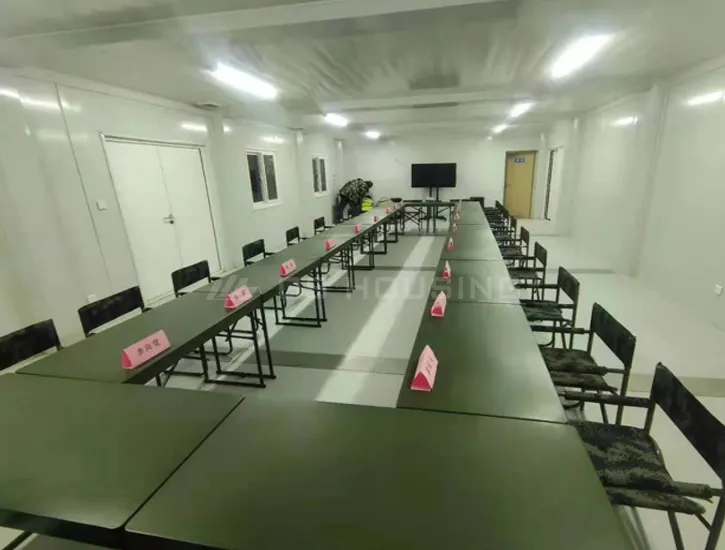
Queste unità possono servire come sale di comando, cabine da letto o stazioni mediche. Il loro robusto telaio in acciaio e pannelli isolati mantengono l'interno stabile sia in condizioni calde che fredde.
Unità specializzate per il comando, la sorveglianza e lo stoccaggio
I siti di difesa di solito richiedono spazi con protezione extra. Ciò include stanze per strumenti di sorveglianza, stoccaggio sicuro o attrezzature di segnalazione. Poiché le unità modulari seguono una struttura chiara, è semplice aggiungere più cablaggio, isolamento più spesso o porte più forti.
Ciò mantiene l'edificio funzionale senza rallentare la linea temporale.
Strutture prefabbricate mobili per operazioni di emergenza
Disastri naturali come inondazioni o terremoti spesso richiedono basi mobili. GS Alloggi case piatte imballate container Possono muoversi senza separarli. I team possono trasferire interi edifici, inclusi i mobili di base, in breve tempo.
Questa mobilità è importante per le squadre di soccorso che devono spostarsi rapidamente da una zona all’altra.
Perché le scuole modulari e le strutture pubbliche si stanno espandendo a livello globale?
I bisogni pubblici - istruzione, assistenza sanitaria, uffici comunitari - continuano ad aumentare. Molti luoghi non hanno abbastanza tempo o terra per costruire tutto da zero. Gli edifici modulari aiutano a colmare queste lacune.
Classe modulari veloci per aree urbane e rurali
Quando il numero di studenti aumenta rapidamente, le scuole non possono aspettare mezzo anno per una nuova classe. Le camere modulari possono essere installate in una breve pausa o weekend. Questo limita il rumore e la polvere, offrendo agli studenti un luogo sicuro per imparare.
Molte città e città rurali ora utilizzano questo metodo perché risolve le esigenze a breve termine senza danneggiare i piani a lungo termine.
Unità prefabbricate sicure e di lunga durata per scuole e centri di formazione
Le unità di alloggio GS comprendono pannelli resistenti al fuoco, telaio resistente e isolamento che aiuta a mantenere temperature confortevoli. Queste caratteristiche rendono gli edifici sicuri per un uso a lungo termine.
I centri di formazione e altre istituzioni pubbliche utilizzano anche queste unità per laboratori informatici, sale di lettura e spazi di laboratorio.
Strutture di uso pubblico completamente arredate costruite attraverso sistemi modulari
Gli edifici di uso pubblico includono uffici, piccole cliniche, biglietterie e centri visitatori. Poiché la maggior parte dei lavori interni viene effettuata in fabbrica, questi edifici arrivano per lo più finiti.
Ciò riduce il caos in loco e riduce il tempo di attesa delle comunità locali.
Quali vantaggi offrono le case prefabbricate di GS Housing per applicazioni industriali?
GS Housing possiede diverse fabbriche a Foshan, Changzhou, Chengdu, Tianjin e Shenyang. Questa grande base produttiva consente all'azienda di completare grandi ordini con standard coerenti.
Combinazioni flessibili e configurazioni a più livelli
Ogni casa di contenitori imballata piatta è un modulo separato. Una singola può essere una stanza, ma diverse possono essere messe insieme per formare uno spazio più ampio.
I progetti che richiedono più superficie pavimentare possono anche impilare unità fino a tre piani di altezza. Questo offre ai progettisti di campeggio molte scelte.
Sistemi di ingegneria efficienti energeticamente, resistenti al fuoco e durabili
Acciaio, pannelli a parete ignifugo e giunti sigillati danno ad ogni unità una struttura forte. Molti modelli hanno strati di isolamento che aiutano a ridurre la perdita di calore.
Queste caratteristiche aiutano i moduli a rimanere stabili in tempeste, neve o climi caldi. Sono adatti per uso industriale a lungo termine.
Strutture completate in fabbrica che riducono il lavoro in loco e i rifiuti
La maggior parte dei lavori, come cablaggio, idraulica e installazione del soffitto, viene effettuata in fabbrica. Ciò riduce polvere, rumore e residui di rifiuti sul posto di lavoro.
Per le aziende che costruiscono grandi campi, questo mantiene anche gli orari più costanti.
Come supportano le case di contenitori imballate piatte l'espansione industriale su larga scala?
Mentre le industrie crescono, hanno bisogno di edifici che si muovono facilmente, si installano rapidamente e dureranno a lungo.
Trasporto senza problemi e rapido assemblaggio in loco per progetti globali
Le case di contenitori imballate piatte possono essere impilate strettamente per la spedizione. Un camion può trasportare diverse unità contemporaneamente.
Quando le unità raggiungono il sito, i lavoratori si svolgono e si uniscono a loro. Ciò consente ai team di costruire un'intera fila di edifici in un breve periodo di tempo.
Unità multifunzionali per uffici, dormitori e cliniche
Le aree industriali richiedono molti tipi di stanze. Questi includono uffici per i manager, camere da letto per i lavoratori e stanze di primo soccorso.
Con sistemi modulari, ognuna di queste funzioni può utilizzare la stessa unità di base. Il risultato è un campo pulito e organizzato.
Forza di grado industriale con 20 anni di vita di servizio
Il telaio in acciaio, le superfici rivestite e i pannelli a parete solidi garantiscono ai moduli GS Housing una forte durata. Molti clienti riutilizzano le stesse unità per più di un progetto. Ciò contribuisce a ridurre i costi nella pianificazione a lungo termine.
Collabora con GS Housing per il tuo prossimo progetto
Dai campi petroliferi e dalle basi minerarie alle aule pubbliche e alle stazioni militari, GS Housing offre soluzioni di precisione soluzioni prefabbricate che risparmiano tempo, migliorano l'organizzazione del sito e creano spazi sicuri e confortevoli anche nei luoghi più esigenti. La cronologia del tuo progetto sta già contando alla rovescia: i ritardi sono costosi e la velocità conta. Collabora con GS Housing ora per garantire una distribuzione rapida, una qualità affidabile e un team pronto a muoversi nel momento in cui dici “andare”. Contattaci oggi stesso: il tuo progetto non può permettersi di aspettare.
Domande frequenti
Q1: Quanto tempo ci vuole per installare un piatto imballato Container House?
R: La maggior parte delle unità può essere installata in poche ore. I campi più grandi possono richiedere diversi giorni o settimane.
Q2: Gli edifici possono gestire condizioni meteorologiche o esterne forti?
R: Sì. GS Housing utilizza pannelli in acciaio e isolanti, che aiutano gli edifici a resistere al vento, al calore, alla neve e alla pioggia.
Q3: Le strutture sono personalizzabili?
A: Possono essere disposti in molti layout, offrendo camere da letto, uffici, cliniche o magazzini a seconda del progetto.



