

 Italian
  English
  Arabic
  French
  German
  Portuguese
  Russian
  Spanish
  Turkish
Permanent vs Semi-Permanent Modular Steel Buildings: Cost Comparison for Long-Term and Temporary Projects
Permanent vs Semi-Permanent Modular Steel Buildings: Cost Comparison for Long-Term and Temporary Projects
Choosing between permanent and semi-permanent modular steel buildings is primarily a cost and lifecycle decision for contractors and project owners. For builders, contractors, and officials in planning, it boils down to expenses, durability, and alignment with the overall schedule.
Firms such as GS Alloggi have noticed a growing preference for these options. Certain customers seek enduring residential complexes or public facilities. Meanwhile, others require quick, movable setups for worker camps or brief staff lodging. Understanding lifecycle cost differences across the entire project duration can prevent costly issues down the line.
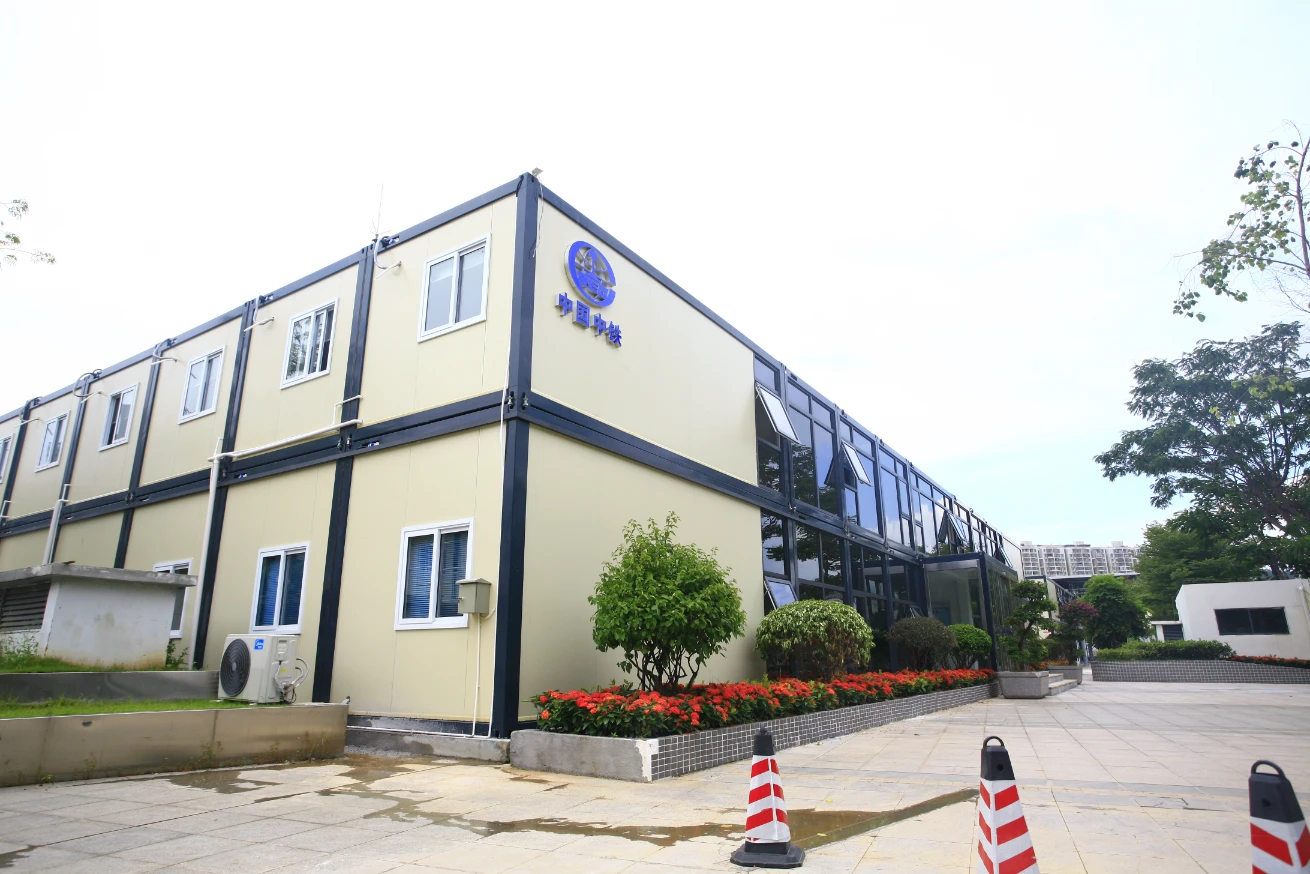
Why Developers Are Comparing Permanent and Semi-Permanent Modular Steel Buildings Today
The industry has evolved significantly. Project budgets are under increasing pressure due to material price fluctuations and labor shortages, skilled workers are scarcer, and timelines are tighter than ever. As a result, more builders are thoughtfully assessing permanent and semi-permanent steel setups rather than sticking to a single choice without consideration.
Rising Project Costs
Prices for materials and wages for labor have risen steadily in recent times. Standard building methods frequently encounter setbacks that pile on hidden expenses, including oversight on site, funding charges, and fines for delays. Modular steel buildings, particularly those made in factories by GS Housing, cut down fieldwork and speed up completion. This factor by itself can lead to substantial savings in overall outlay.
Need for Relocatable Infrastructure
Fixed-location setups are not always the norm anymore. Operations in mining, energy fields, and short-lived industrial areas often proceed in stages. Thus, a semi-permanent steel setup that allows disassembly and relocation proves economically appealing. Builders avoid sinking money into assets that face demolition after just a few years.
Modular Construction Trend
Modular building practices have gained broad acceptance across housing, business, and government sectors. Uniform manufacturing, stable workshop environments, and consistent standards stand out as major benefits. GS Housing has put resources into expansive assembly lines, which aids in maintaining steady per-unit prices even as orders grow larger.
What Is A Permanent Steel Structure House?
Prior to examining figures, it proves useful to clarify the practical meaning of permanent steel structure housing.
Definition And Core Features
A permanent steel structure house aims for extended use, generally spanning 30 to 50 years or longer, based on regional rules and upkeep. It employs a sturdy steel framework paired with insulated sandwich panels, solid bases, and durable roofing systems.
Such constructions usually adhere to housing or public building guidelines. They secure to concrete bases and link to fixed utility services.
Typical Project Applications and Structural Lifespan
Permanent steel constructions appear often in sizable housing areas, educational institutions, lodging for students, medical centers, and workplace structures. Builders create them with ongoing habitation in view.
When maintained well, their durability matches that of typical reinforced concrete setups. In numerous instances, steel offers superior performance regarding weight efficiency and resistance to earthquakes.
Cost Structure And Long-Term Value
The starting outlay exceeds that of semi-permanent options due to firmer bases, denser materials, and superior finish levels. Yet, across 20 to 40 years, the yearly expense turns quite competitive.
Reduced upkeep demands, better market value upon sale, and fuller alignment with area laws all boost enduring worth. For those developers who retain property holdings, such aspects carry significant weight.
What Is A Semi-Permanent Steel Structure House?
Semi-permanent implies not inferior quality but rather a varied design duration and building method.
Definition And Core Features
A semi-permanent steel structure house generally targets 5 to 15 years of operational life. It utilizes lighter structural steel systems and adaptable panels that permit taking apart and reassembling.
Base systems tend to be basic, like shallow footings or interim supports. The structure can incorporate heat barriers, water lines, and wiring, though emphasis lies on adaptability.
Typical Use Cases And Flexibility
These setups serve commonly in worker camps on sites, distant staff quarters, emergency shelters, interim classrooms, and field offices.
Relocation forms the main benefit. Once a job phase concludes, teams can move and repurpose the units elsewhere. Thereby, this cuts down on discarded materials and distributes initial spending over various endeavors.
Cost Structure And Lifecycle Savings
The beginning expense falls below permanent types since components and bases weigh less. Setup duration shortens too, which trims labor spending.
Upon reuse for two or three cycles, the per-year service cost drops markedly. For managers handling several brief jobs, this setup aligns well with budget goals.
How Do Permanent And Semi-Permanent Solutions Differ In Initial Cost?
The opening figure that most buyers inquire about concerns the starting investment. Although rates fluctuate by location and build criteria, the building category creates a distinct gap.
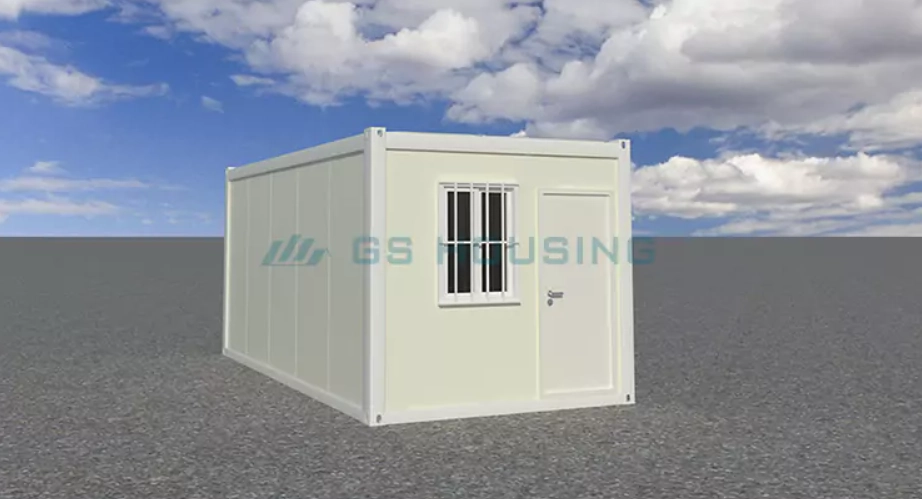
Upfront Investment Comparison
Permanent steel constructions demand tougher bases, broader steel parts, and frequently premium surface treatments. Consequently, this elevates the early build expense per square meter.
Semi-permanent constructions incur lower costs initially owing to basic structural plans and reduced-weight elements. For endeavors with bounded timeframes, the smaller upfront payment eases monetary strain.
Site Preparation And Labour Costs
Permanent constructions generally call for extensive digging and complete concrete bases. This extends groundwork time and boosts material consumption.
Semi-permanent units frequently rely on prefabricated base methods and rapid joining techniques. Thanks to GS Housing’s pre-made factory parts, much of the framework finishes prior to transport. Field labor focuses chiefly on putting together, which accelerates the timetable and diminishes accommodation and supervision costs.
GS Housing Cost-Effective Manufacturing Advantage
GS Housing runs uniform production facilities with rigorous oversight. Purchasing materials in volume and machine-based assembly minimize leftovers and sustain fair rates.
Since components arise in managed settings, fewer fixes occur versus conventional field building. This reliability in making aids buyers in predicting expenses with greater precision.
How Do Operational And Maintenance Costs Compare?
The starting price tells only half the tale. As time passes, upkeep, utility bills, and functional variances emerge distinctly.
Long-Term Durability And Maintenance Profile
Permanent steel constructions aim for prolonged service. Rust-proof layers, heat-insulated composite panels, and bolstered frames lessen future fix requirements.
Semi-permanent constructions might need regular checks if employed past their planned span. Nevertheless, during their set operational period, upkeep stays straightforward.
Energy Efficiency And Running Costs
Power usage hinges mostly on barrier quality and outer design, not solely on lasting nature. GS Housing embeds insulated sandwich panels with high thermal performance ratings and roof setups that aid in regulating inside climate.
In enduring housing ventures, elevated barrier standards in permanent builds could trim warmth and chill expenses over many years. For short-term camp settings, power savings matter too, yet balanced specs often suit the expense equation better.
GS Housing Sustainable Materials And Performance
Eco-friendliness now plays a vital role in gaining project approvals. GS Housing employs reusable steel alongside power-saving panel arrangements. Workshop output further curbs material loss.
For backers pursuing eco-certifications or sustainability goals, steel modular arrangements yield clear ecological gains.
Which Application Scenarios Favor Permanent Structures?
Some ventures plainly gain from a durable building style.
Large Residential Or Institutional Projects
Tall apartment towers, student quarters, medical facilities, and learning centers demand lasting firmness and complete rule adherence. Permanent steel constructions deliver the required robustness and duration.
Builders intending to own and run these holdings for decades typically opt for this path.
Long-Term Commercial Or Public Facilities
Workplace towers, town halls, and business hubs that aid areas for extended periods suit permanent methods more aptly.
Construction Camps and Workforce Accommodation Projects
Within major infrastructure works enduring over a decade, even staff quarters might warrant permanent builds. When use remains steady and moving seems improbable, a lasting option can cut recurring installation outlays.
Which Scenarios Make Semi-Permanent Solutions More Cost-Effective?
Not all ventures demand a 40-year structure. Often, adaptability prevails.
Temporary Or Transitional Housing Needs
Shelter for disaster aid, migrant lodging, and brief city shifts profit from swift rollout. Semi-permanent modular units deploy rapidly and relocate afterward.
Projects With Shorter Timelines Or Flexible Relocation
Camps for mining, fuel extraction areas, and staged factory expansions commonly change spots. Semi-permanent constructions disassemble and repurpose easily, thus extending initial funds over multiple sites.
GS Housing Expandable And Modular Units For Adaptive Use
GS Housing provides growing container-like units and adaptable dorm setups for multiple assemblies. These allow plan tweaks and size changes as demands evolve.
How Does GS Housing Deliver Cost-Effective Steel Structure Solutions?
Managing expenses involves more than raw costs; it covers the full path from planning to handover.
Advanced Factory Production And Quality Control
GS Housing depends on central fabrication using routine steps. Cutting steel, joining parts, assembling panels, and completing surfaces all happen in supervised areas.
Customization, Speed And Lower Labour Costs
While fabrication follows standards, options for tailoring persist. Arrangements, outer looks, barrier thickness, and inner treatments adjust to job specs.
Quick on-site joining cuts field work hours, thereby reducing stay, guidance, and side expenses. In zones with steep wage levels, this yields clear benefits.
Sustainability, Certifications And Investment Value
Steel constructions recycle readily and adjust well. Numerous GS Housing ventures align with global norms and area mandates.
For builders eyeing sustained asset worth or ethical funding stances, modular steel constructions offer both fiscal and green upsides.
Planning a Modular Steel Building Project? Evaluate Lifecycle Cost Before Finalizing Your Structural Strategy
Permanent and semi-permanent modular steel buildings boast distinct merits. Selecting the proper one hinges on job length, fund setup, moving requirements, and future aims.
Partnering with a seasoned maker like GS Housing lets buyers assess complete cycle expenses instead of fixating on the first tag. A thorough estimate and build outline will pinpoint the ideal match.
For those builders eyeing housing districts, public edifices, site camps, or interim quarters, the moment suits reviewing choices and advancing with a budget plan tied to actual conditions.
Domande frequenti
Q1: What is the typical lifespan difference between permanent and semi-permanent steel structure buildings?
A: Permanent steel structure buildings are usually designed for 30 to 50 years or more, while semi-permanent structures are commonly designed for 5 to 15 years depending on materials and usage conditions.
Q2: Can semi-permanent modular buildings be upgraded for longer use?
A: In some cases, insulation, coatings, and structural components can be upgraded. However, it is more cost-effective to select a permanent design from the beginning if long-term use is expected.
Q3: Are modular steel buildings more affordable than traditional concrete buildings?
A: In many projects, modular steel buildings reduce construction time and labor costs, which lowers total project spending. The final comparison depends on local material prices, labor rates, and project scale.



