

 English
  Arabic
  French
  German
  Italian
  Portuguese
  Russian
  Spanish
  Turkish
How Apple Cabins Are Revolutionizing Tiny Home Living
How Apple Cabins Are Revolutionizing Tiny Home Living
Tiny homes have been around for many years, but the market landscape has always been changing. In the past, people often regarded this kind of micro-residence as a niche lifestyle, mainly targeting travelers or minimalists. But in the last few years, a new type of compact home has shown up and quietly changed the direction of the trend — Apple Cabins. These cabin-style modular units offer a fresh mix of modern looks, ready-to-use functionality, and flexible designs that fit different living needs. With companies like GS Housing bringing reliable prefab modular technology into this concept, Apple Cabins are stepping into the mainstream.
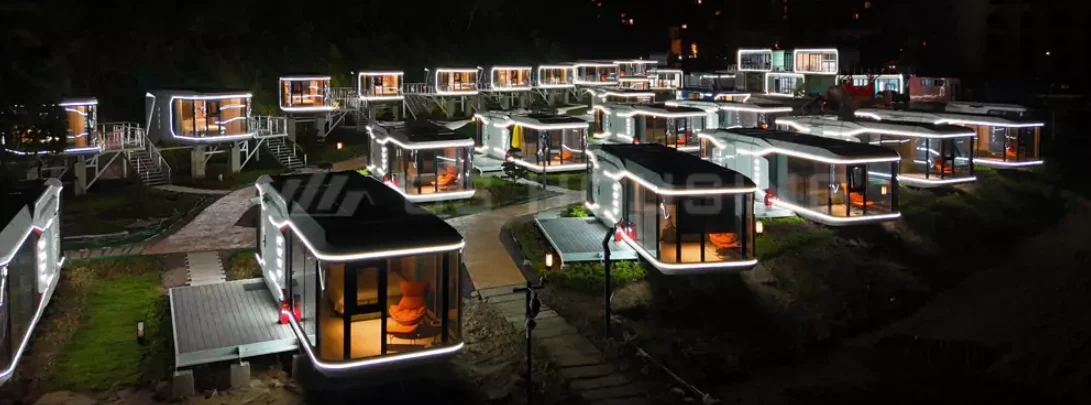
Why Are Apple Cabins Gaining Popularity in the Tiny Home Movement?
Before diving into the technical parts, it helps to understand why Apple Cabins suddenly stood out in a crowded market of tiny houses and prefab pods. Many homebuyers today want spaces that feel simple but still comfortable, and Apple Cabins fit nicely into that gap.
Rising Demand for Compact Yet Functional Living Spaces
Home prices go up. Rental markets feel tight. A lot of people want to downsize without losing convenience. Apple Cabins meet this exact need. Their footprint is small, but the interior setup doesn’t feel cramped. Large windows, higher ceilings, and open layouts make the inside feel more generous than the outside suggests. For many homeowners, that balance is what tiny houses were missing.
Growing Consumer Preference for Sustainable Housing Options
More people care about eco-friendly living. Apple Cabins use modular components that reduce waste during production, especially when paired with GS Housing’s factory-level system. This approach fits well with buyers who want a lighter environmental impact but still need a home that looks modern and works well in daily life.
Need for Faster, More Flexible Housing Solutions
Some families don’t have time to wait for a long construction period. Apple Cabins are popular because they can be produced in a controlled factory environment and delivered ready for installation. The shorter building cycle makes them useful for both personal living and commercial uses like vacation rentals or holiday villages.
How Do Apple Cabins Achieve Efficient Space Utilization?
Good design is the core of any tiny home. Apple Cabins use modular thinking to make every meter worth something.
Optimized Interior Layouts Through Modular Planning
The interior layouts follow simple but smart planning. Rooms are arranged in a way that reduces wasted corners and creates a natural flow from one area to another. Instead of squeezing furniture into tight spots, the modules are built with the furniture placement in mind, so people can move around freely.
Smart Zoning for Sleeping and Working Areas
Daily activities require different zones. Apple Cabins divide these areas clearly without closing everything off with walls. The sleeping area may sit slightly elevated, the workspace tucked near a window. This kind of zoning keeps the home open but still gives each activity its own place.
Integrated Systems for Storage and Daily Living Needs
Tiny homes often struggle with storage. Apple Cabins add built-in cabinets, hidden compartments, and multi-function fixtures directly during production. These features reduce the clutter that usually builds up in small homes. People get a home that’s easier to live in from the moment it arrives.
The Advantages of Building a Tiny Home with Apple Cabin
With the rise of modular construction, the benefits of Apple Cabins become even clearer.
Factory-Produced Structural Integrity and Precision
When the main cabin modules are built in a factory, workers follow consistent production steps. GS Housing uses steel structures and standardized components tested by national institutions. This produces cabins with reliable strength and long-term stability.
Faster On-Site Assembly with Minimal Disruption
Apple Cabins don’t require endless drilling, cutting, or pouring concrete on site. Most parts arrive pre-installed. Workers simply lift, place, and connect them. This reduces noise, dust, and delays. It’s especially helpful when building on a mountain, near a lake, or in a neighborhood with strict construction limits.
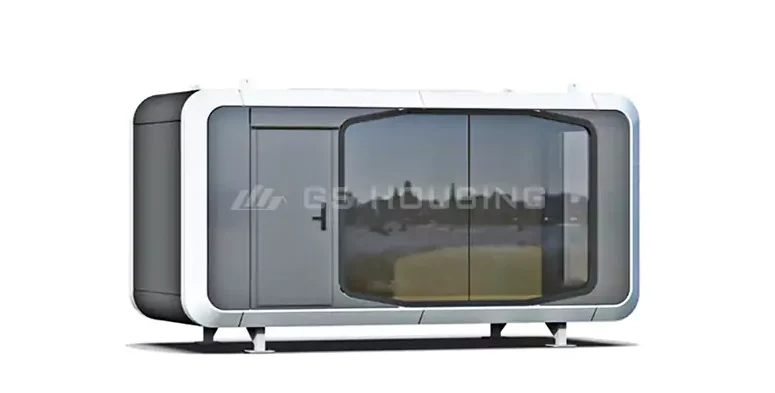
High Durability with Fireproof, Insulated, and Weather-Resistant Materials
GS Housing’s prefab system uses non-combustible insulation panels, sturdy steel columns, waterproof layers, and weather-resistant finishes that work in both hot and cold climates. This means Apple Cabins can survive harsh seasons, storms, and constant sun exposure. The cabin shell holds up for many years with very little maintenance.
How Are Apple Cabins Enhancing Sustainability in Tiny Home Living?
More people want homes that use less energy and produce less waste. Apple Cabins follow this trend naturally.
Low-Waste Production Through Modular Manufacturing
Modular manufacturing cuts down construction waste by producing the same components repeatedly with high accuracy. GS Housing’s production line works in a closed environment, reducing material waste, water use, and unnecessary rework. It’s a cleaner approach compared with traditional building.
Energy-Efficient Insulation and Envelope Performance
Apple Cabins use insulation and building envelopes designed to keep indoor temperature steady. This reduces the need for heating or cooling. Families save energy, but more importantly, they get a comfortable space year-round without relying on big HVAC systems.
Reusability for Reduced Environmental Footprint
One of the biggest advantages is mobility. Apple Cabins can be relocated without tearing them down. This avoids demolition waste and helps homeowners reuse the same cabin over different phases in life — from a backyard studio to a vacation rental, and eventually a retirement retreat.
In What Ways Do Apple Cabins Improve Lifestyle Flexibility?
Tiny homes work best when they can adapt. Apple Cabins offer a level of flexibility many traditional houses simply can’t.
Scalable Layouts for Different Living Needs
People’s needs change. A cabin may start as a weekend escape, later become a guest suite, and eventually turn into a full home office.
Multiple Application Scenarios—From Vacation Homes to Full-Time Residences
Because the modules are durable and look clean and modern, they fit a lot of scenarios: vacation resorts, family campsites, worker dorms, homestay rentals, or long-term residences. Developers often choose them because they give good returns without heavy construction processes.
Easy Relocation Enabled by Lightweight Modular Structures
Thanks to the steel frame and standardized components, moving an Apple Cabin is not difficult. The cabin can be transported by truck or container system, then reinstalled in a new spot. This is a big help for people who might move between towns or want to reposition their cabin on the same piece of land.
Why Are GS Housing Prefab Modular Houses a Reliable Choice for Apple Cabins?
Apple Cabins become much stronger when paired with a trustworthy prefab provider. GS Housing is one of the companies leading this shift.
20+ Years of Modular Construction Expertise
Founded in 2001, GS Housing has worked across residential camps, commercial buildings, education complexes, medical units, tourism cabins, and disaster-relief housing. This experience helps them understand what works in real-world use — not just on paper.
High-Quality Steel Structure with Verified Safety Standards
Every cabin frame uses steel with strict testing. The structures reach levels such as earthquake resistance (8 grade) and strong wind resistance (12 grade). Walls, floors, and roofs use non-flammable materials. These are not temporary boxes; they’re stable, long-lasting living units.
Nationwide Manufacturing Capacity Ensuring Consistent Quality
GS Housing operates six large production bases across China. With automated production lines and skilled technicians, each cabin module maintains the same level of quality. This consistency gives buyers more confidence, whether they need one cabin or a full resort.
Ready to Design Your Dream Tiny Home?
Apple Cabin transforms the concept of micro-residences into solutions that are practical, fashionable and flexible. Whether it’s for building a private vacation home, investing in rentals, or long-term residence, these modular cabins offer reliable options. With GS Housing’s professional experience in durable prefabricated systems, building safe and comfortable micro-residences has become much easier.
FAQ
Q1: How long does it take to build an Apple Cabin with GS Housing?
A: Most modules are produced inside the factory first. On-site installation often takes only a few days, depending on the size and layout.
Q2: Can Apple Cabins handle cold or very hot climates?
A: Yes. The cabins use insulated wall panels, airtight structures, and moisture resistant materials, making them suitable for various weather conditions.
Q3: Are Apple Cabins suitable for commercial projects like resorts?
A: Many resort developers choose them because they’re fast to install, easy to maintain, and look modern. They also support different combinations for larger site planning.



