

 English
  Arabic
  French
  German
  Italian
  Portuguese
  Russian
  Spanish
  Turkish
How Prefabricated Camps Slash Project Costs for Large Scale Deployments
How Prefabricated Camps Slash Project Costs for Large Scale Deployments
Big infrastructure, energy, mining, and defense projects all face similar challenges: delivering workforce housing quickly, accommodating large numbers of workers, and controlling overall project costs. As a prefabricated camp manufacturer with extensive experience supporting large-scale deployments, GS Housing has seen firsthand how modular camp solutions address these challenges more effectively than traditional construction. Standard on-site building often fails to match these needs, particularly when work covers distant locations, tough weather, or short deadlines. This is where prefabricated camps have quietly made a significant difference.
These prefab camps go beyond basic temporary setups these days. They now function as well-planned modular arrangements built for ongoing service, multiple moves, and complete adherence to project rules. GS Housing is a prefabricated camp manufacturer with long-term experience delivering workforce accommodation solutions for global energy, mining, infrastructure, and defense projects.
Through large-scale deployments across multiple regions, GS Housing has demonstrated that prefabrication can significantly reduce overall project costs while maintaining structural quality and compliance standards..
This piece examines how prefabricated camps lower costs throughout every phase of major deployments, including planning, building, running, and later growth.
Why Are Prefab Camps More Cost-Effective Than Traditional Builds?
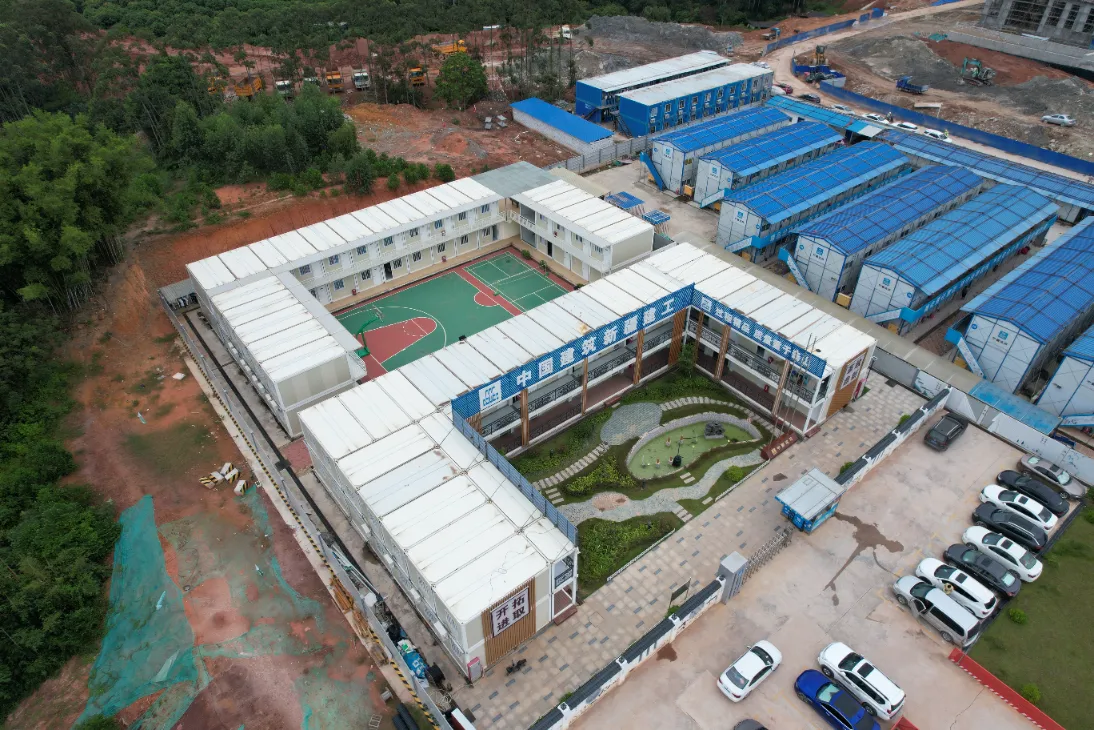
On the surface, prefabricated camps might seem much like regular structures. The true distinction lies inside the framework—in the ways they get planned, made, shipped, and set up. As projects grow to involve hundreds or thousands of staff, minor reductions per piece quickly accumulate.
Unlike standard builds, prefab camps move the majority of tasks from unreliable work areas into steady factory settings. And this one shift influences supply handling, worker demands, transport, and timing in direct ways that shape budgets. From a manufacturer’s perspective, this factory-controlled approach is the foundation of predictable costs in large-scale prefab camp projects.
Reduced Material Waste And Better Cost Control
A major unseen expense in usual building is leftover materials. Field cutting, fixes, weather harm, and uneven supply management all boost losses. Prefabricated camps follow a smarter path.
As a prefab camp manufacturer, GS Housing produces modular units in a controlled factory environment using standardized steel frames and fire-rated insulation materials. Precise cutting, pre-assembly, and quality checks at the plant significantly reduce material waste and on-site rework. Since making relies on steady steps, supply amounts stay foreseeable and well-managed. Leftover bits drop, errors get spotted soon, and standards remain even for big batches.
In major setups like oil and gas line camps or mining staff areas, this kind of oversight makes financial planning much more dependable. Owners understand their spending from the start, free from ongoing tweaks amid the build.
Shorter Construction Time Lowers Labor Expenses
Worker costs climb fast on vast sites, above all in far places where experts are scarce. Regular structures typically need months of field labor before spaces work. Prefabricated camps shorten this period sharply.
Nearly all GS Housing camp pieces show up with inside coatings, power setups, pipes, and barriers already done. At the location, teams handle joining instead of complete building. As a result, total labor hours are reduced, overtime costs decrease, and accommodation expenses for construction crews are minimized.
Quicker setup times also allow earlier occupancy, enabling project owners to mobilize their workforce sooner and avoid costly downstream delays in construction, extraction, or production schedules. In energy or mining work, housing staff promptly helps the core job stay on track, preventing expensive holdups later.
Standardized Components Simplify Logistics And Budgeting
Huge efforts bring tricky transport: moving supplies, dealing with providers, and syncing arrivals. Prefab camps ease this by using uniform parts.
For instance, GS Housing’s flat-packed container houses suit neat container packing and movement. Pieces travel via ocean, highway, or track, complete with simple lists and fixed sizes. Therefore, shipping issues lessen, and transport groups plan precisely, even across borders or nations.
How Do Prefabricated Camps Improve Deployment Speed?
Pace involves more than quick building—it means syncing planning, making, and fitting so no part holds up another. Prefabricated camps excel here, particularly under pressing schedules and hard spots.
Offsite Fabrication Enables Parallel Workflows
In standard building, steps usually follow one by one. Prefabrication lets flows overlap.
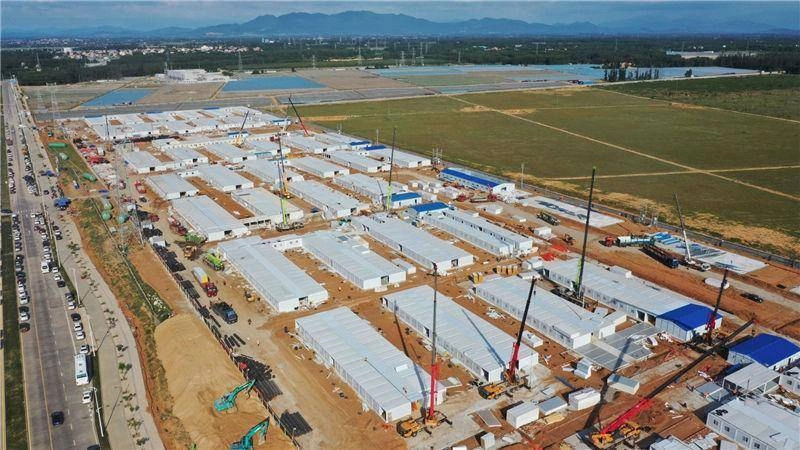
As GS Housing crafts modules in its China plants, field groups ready bases, services, and paths simultaneously. When modules reach the site, everything stands prepared for joining. Such timing can trim months from large camp efforts.
For staged jobs like LNG sites or long pipelines, this side-by-side method keeps lodging matched to staff increases, avoiding jams.
Less Onsite Assembly Time Means Faster Turn-Over
Prefab camps are designed to minimize on-site construction activities. Modules bolt on, link to services, and start up swiftly. There are no delays caused by concrete curing times or weather-dependent site conditions.
In urgent cases—like aid camps or military setups—GS Housing arrangements install and run in brief periods. Certain units, such as portable health modules, work within hours of landing.
Modular Designs Fit Diverse Site Conditions
Distant jobs seldom provide ideal build spots. Rough ground, poor entry, or severe weather can drag regular work. Modular camps adjust better.
GS Housing plans camps for side or up builds, offering layout choices without big reworks. This bendability cuts heavy site changes, saving both time and funds.
What Features Of GS Housing Prefab House Solutions Cut Project Costs?
Every prefab setup doesn’t offer equal worth. GS Housing’s savings stem from build style, production size, and practical know-how in various fields.
Lightweight, Durable Structures Designed for Large-Scale Workforce Camps
GS Housing applies shaped steel frames that mix toughness and lightness. These meet fire rules and lasting needs while holding unit mass down.
Lighter pieces trim haul fees, lift gear needs, and base weights. Across many units, gains from movement and setup tools add up notably.
Flexibility To Scale And Reconfigure Based On Needs
Major jobs evolve. Staff counts go up and down, roles change, and spaces shift uses. Prefab camps handle this bend.
GS Housing pieces move, grow, or adjust without tearing down current builds. A meal area turns into work rooms. Lodging sections shift to fresh stages. So, reuse stretches the starting spend, viewing camps as ongoing assets.
Integration Of Utilities Reduces Secondary Installation Cost
Services often drive high costs. Extra crews, fixes, and sync problems pile on.
GS Housing integrates electrical systems, plumbing, HVAC, and interior finishes during factory production, reducing the need for multiple on-site subcontractors and lowering coordination and installation risks for project owners. On location, links prove simple and uniform. Hence, fewer outside helpers are needed, and setup mistakes that lead to waits or fixes later drop.
How Does Prefab Design Reduce Long-Term Operational Costs?
Starting build expense forms just one side. Camps running for years must work well, hold up, and need little care. Prefab planning brings solid edges in these areas.
Better Insulation And Energy Efficiency
GS Housing picks fire-safe fillers with good heat control. Stronger barriers mean smaller energy outlay for warmth or chill, key in dry lands, frosty zones, or sea rigs.
Reduced power draw cuts running fees over months, especially with big groups.
Lower Maintenance Requirements Over Lifecycle
Plant-made modules join in steady settings, yielding even quality. Parts match well, coatings stay safe, and systems test before ship.
This leads to fewer care problems versus field builds, where skill levels differ. In time, less fixing means slimmer care funds and smaller daily halts.
Simplified Replacement And Upgrade With Modular Units
When a piece ends its run or seeks improvement, it swaps out without touching the camp’s rest. This piece style skips vast overhauls and keeps spots working full cycle.
What Risks Or Limitations Should Be Considered When Choosing Prefab Camps?
Prefabricated camps offer significant advantages, but they require careful upfront planning. Knowing bounds early wards off shocks.
Site Access And Transport Constraints
Haul paths, lift entry, and area setup all shape what’s possible. Prompt transport setup proves key, mainly for far or water sites.
Upfront Planning And Design Precision Needed
Prefabrication gains from solid setup. Changes after making begins prove tough. Teaming with pros like GS Housing aids early match of plans and skips pricey shifts.
Local Regulations And Standards Compliance
Nations and fields hold varied codes and safety rules. GS Housing’s background in oil and gas, mining, and defense aids handling these, but starting ties with local groups still matter.
How Can You Get Started With Cost-Efficient Prefab Camps From GS Housing?
For those eyeing prefab camps, begin by grasping real wants: staff scale, spot traits, job length, and reuse ideas.
For project owners planning large-scale workforce accommodation, early engagement with an experienced prefab camp manufacturer is critical. GS Housing supports clients from initial planning and layout design to manufacturing, logistics, and on-site installation for energy, mining, infrastructure, and defense projects worldwide.
If you are evaluating cost-effective prefab camp solutions for an upcoming project, working with an experienced manufacturer can help you control risk, cost, and delivery timelines from the start.
FAQs
Q1: Are prefabricated camps suitable for long-term projects?
A: Yes. Modern prefab camps, especially those from GS Housing, are designed for long-term use with durable steel structures, integrated utilities, and energy-efficient insulation.
Q2: Can prefab camps be relocated after a project ends?
A: Absolutely. One major advantage is reusability. Modules can be dismantled, transported, and reinstalled at new sites with minimal loss of value.
Q3: How early should prefab camp planning start in a project timeline?
A: The earlier, the better. Early planning allows design, production, and site preparation to run in parallel, which maximizes cost and time savings.



