

 Russian
  English
  Arabic
  French
  German
  Italian
  Portuguese
  Spanish
  Turkish
Могут ли модульное строительство решить проблемы удаленного жилья
Могут ли модульное строительство решить проблемы удаленного жилья
Удаленные строительные площадки, такие как нефтяные месторождения, горнодобывающие зоны и крупномасштабные инфраструктурные проекты, сталкиваются с уникальными жилищными проблемами. Работники часто проводят месяцы в изолированных районах с ограниченным доступом к современным объектам. Быстрое строительство безопасного, удобного и экономически эффективного жилья имеет решающее значение. Именно здесь вступают в игру модульные лагеря.
Вместо того, чтобы полагаться на медленное, трудоемкое строительство, модульное строительство обеспечивает более быстрый, чистый и надежный подход к удаленному жилью. Для таких компаний, как GS ЖилищеЭто стало основой того, как крупномасштабные лагеря разрабатываются и развертываются в различных отраслях.
Что делает удаленное жилье таким сложным?
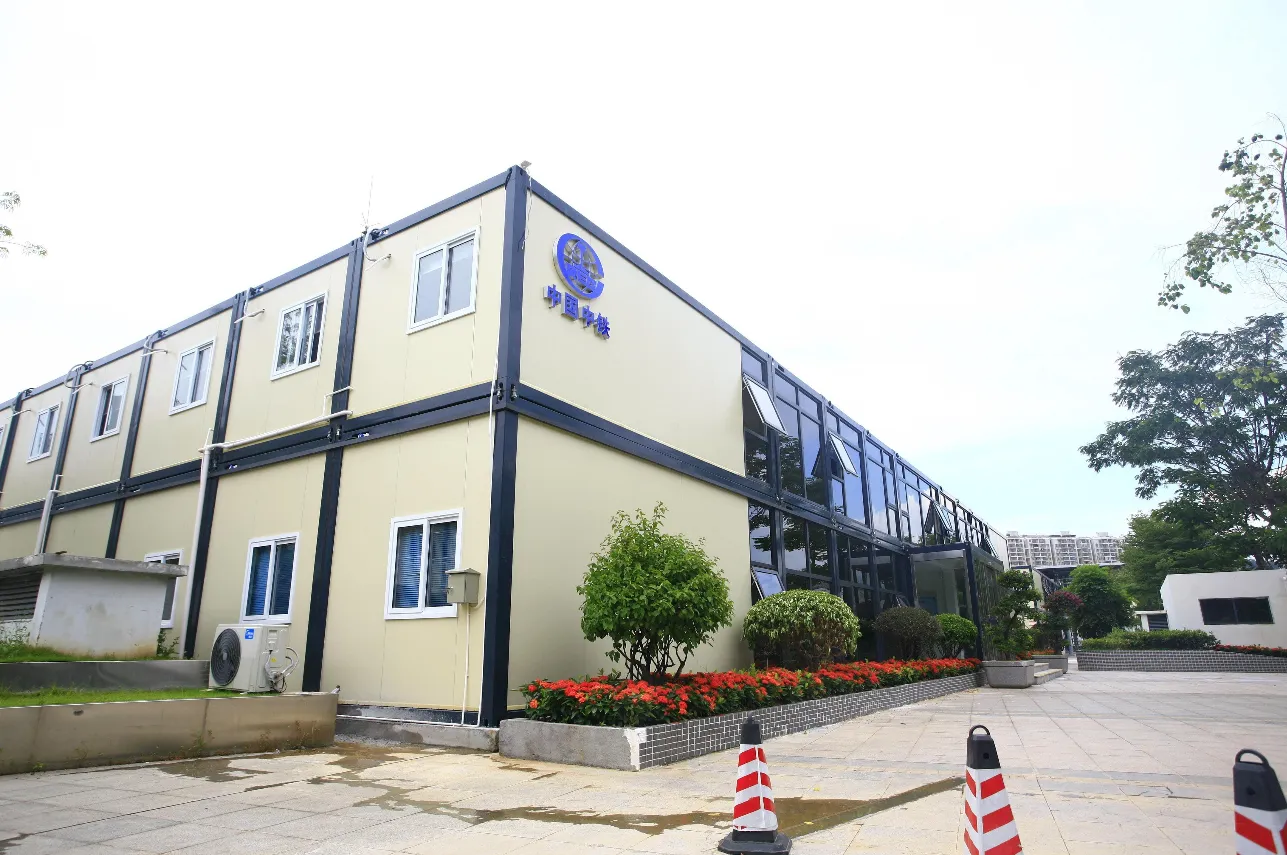
Создание жилья в изолированных районах представляет собой уникальный набор логистических и экологических препятствий. Перевозка материалов и оборудования на большие расстояния является дорогостоящей и сложной. Нехорошая погода может остановить проекты на недели, квалифицированная рабочая сила недостаточна, а традиционные методологии строительства в принципе не подходят для таких требовательных условий.
В таких динамичных секторах, как нефть, газ и горнодобывающая промышленность, лагеря часто нуждаются в перемещении по мере развития проектов. Это требует жилья, которое не только прочное и долговечное, но и быстро развернутое, перемещаемое и достаточно удобное для поддержки благополучия и производительности трудящихся - основные проблемы, которые GS Housing’ с модульные лагеря Специально разработаны для решения.
Как модульное строительство решает эти проблемы?
Модульное строительство трансформирует весь строительный процесс. Детали делаются вперед на заводе. Они отправляются на рабочее место и собираются вместе, как блоки. Таким образом, сокращается работа на месте и уменьшается вред природе. Он отлично работает для далеких или труднодоступных мест.
Более быстрые и предсказуемые сроки реализации проекта
Строительство на основе завода позволяет командам работать одновременно. Одна группа создает место. Другой делает части. Таким образом, работа заканчивается на 30-50% быстрее, чем старые способы. Для дальних горнодобывающих или трубопроводных работ это означает, что модульные лагеря готовы в течение недель, а не месяцев. Это держит вещи вовремя.
Эффективность затрат и оптимизация ресурсов
Вырабатывая в определенных местах, GS Housing сокращает мусор и повышает точность. Его плоскоупакованные модульные лагеря используют стандартные многократно используемые материалы, такие как сталь и негоряющаяся изоляция. Это снижает отходы до 70%. Это также повышает эффективность использования энергии.
Постоянные стандарты качества и безопасности
Каждая часть корпуса GS подвергается строгим проверкам, прежде чем она покидает завод. С ветром до уровня 12 и землетрясением до уровня 8, эти модульные пятна противостоят плохим настройкам. Встроенные системы питания и труб означают более быструю установку. Они также означают меньше рисков на месте.
Почему модульное строительство идеально подходит для нефтяных, газовых и горнодобывающих лагерей?
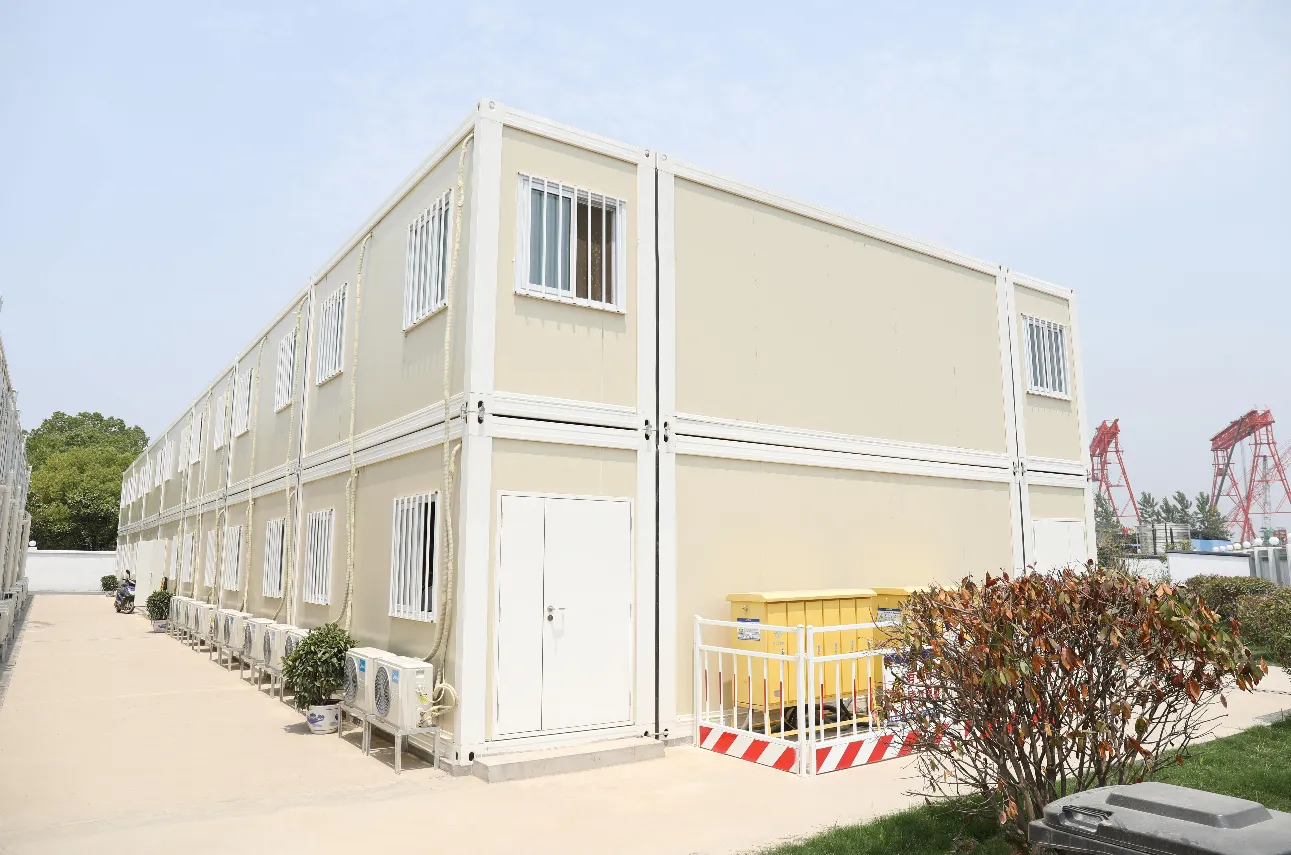
Поля, которые работают далеко от городов, нуждаются в местах, которые сменяются с ними. Они должны держаться в тяжелой погоде. И растут по мере того, как группы становятся больше. Модульные лагеря предлагают все это и дополнительное.
Быстрое развертывание и мобильность для динамических операций
GS Housing создала модульные настройки, которые быстро устанавливаются, легко разрушаются и используются снова по мере изменения рабочих мест. Например, в строительстве труб лагеря могут перемещать места по мере работы. Затем те же единицы могут работать в качестве жилья в новой части работы. Это экономит как время, так и деньги.
Для крупных проектов СПГ и заводов GS Housing поставляет полные рабочие лагеря. К ним относятся общежития, рабочие помещения, обеденные помещения и медицинские услуги. Это полностью модульные комплексы, которые безопасно и комфортно размещают тысячи рабочих.
Устойчивость и безопасность в суровых условиях
Горнодобывающие места и морские платформы часто сталкиваются с опасностью дикой погоды и ржавчины. Части корпуса GS используют сталь и специальные крышки. Это обеспечивает более 20 лет использования. Морские жилищные единицы соответствуют мировым морским правилам по противопожарной остановке и водной остановке. Они дают спокойствие даже в самых трудных местах.
Могут ли модульное жилье улучшить условия жизни удаленных работников?
Помимо экономии времени, модульное строительство также повышает уровень жизни рабочих, когда они находятся далеко от дома.
Комфортная и функциональная среда жизни
Модульные лагеря GS Housing легко планируются. Они имеют покрытые панели, тихое внутреннее пространство и свежий внешний вид. Каждый блок может выступать в качестве места для сна, рабочей комнаты или развлекательной зоны. С помощью встроенных систем воздуха и умных настроек работники получают чистое, хорошее пространство. Кажется длительным даже в коротких настройках.
Интегрированная инфраструктура и проектирование сообщества
Хорошо спланированный модульный лагерь – это больше, чем куча комнат. GS Housing производит полные групповые системы. Они смешивают производство электроэнергии, очистку воды, разговорные связи и игровые места. Цель проста: создать здоровое, хорошее место, которое поддерживает работу и настроение.
Как GS Housing обеспечивает надежность и масштаб проекта?
За умением GS Housing давать в больших размерах стоит ее фабричная система и мировое ноу-хау в области труда.
Масштабные производственные и поставочные мощности
С шесть модульных корпусных установок По всему Китаю - в Гуандуне, Цзянсу, Тяньцзине, Сычуани и Ляонине - GS Housing производит до 200 000 модульных единиц каждый год. Эти основные возможности позволяют одновременно поставлять продукцию в несколько стран, обеспечивая стабильное поставку продукции.
Автоматизированные производственные линии гарантируют точное изготовление каждого компонента, минимизируют человеческие ошибки и обеспечивают беспрепятственную сборку на месте.
Доказанный опыт в глобальных удаленных проектах
Модульные ремонты GS Housing распространяются по всей территории - от нефтегазовых лагерей в Центральной Азии до горнодобывающего жилья в Чили и приютов быстрой помощи в Африке. Фирма также занималась обороной, школой и оказанием помощи. Это показывает свою гибкость как в кратковременном, так и в долгосрочном использовании.
Почему GS Housing Модульные дома являются надежным выбором
Когда дело доходит до жилья в далеких местах, каждое ожидание стоит времени и денег. Модульные лагеря GS Housing сочетают сильную конструкцию, рост навыков и легкость в одной настройке. Они помогают клиентам строить быстрее, мудрее и экологически чистее.
Если вам нужен сменный горнодобывающий лагерь, морская жилая часть или большой рабочий город для энергетических работ, GS Housing предоставляет полную помощь - от плана до установки и ухода. Поддерживаясь более чем 20 лет создания навыков, фирма продолжает менять, насколько далеко строительство делается.
Призыв к действию:
Нужно надежное модульное жилье для следующего проекта? Посетить GS Housing Официальный сайт теперь изучить наш полный ассортимент модульных лагеря зданий. Узнайте, как мы делаем удаленную жизнь более умной, безопасной и эффективной — заполните свою контактную информацию, чтобы начать консультацию сегодня!
Часто задаваемые вопросы
Q1: Что такое модульные лагеря?
Ответ: Модульные лагеря являются заранее изготовленными жилыми единицами, сделанными на заводе и собранными на месте. Они часто привыкают в далеких строительных, горнодобывающих и нефтяных месторождениях для быстрых, прочных и уютных мест для проживания.
Q2: Сколько времени требуется для построения модульного лагеря?
О: Большинство модульных лагерей могут быть готовы за несколько недель. Поскольку 70-80% строительства происходит на заводе, установка на месте быстра. Ему часто нужны только базовая работа и последние ссылки.
Вопрос 3: Могут ли модульные лагеря использоваться повторно для других объектов?
О: Да. Модули GS Housing планируются на множество смен. Они могут ехать грузовиком, кораблем или железной дорогой. Вернуть с небольшим вредом. И снова используется для свежих работ, делая их как зелеными, так и дешевыми.



