

 Turkish
  English
  Arabic
  French
  German
  Italian
  Portuguese
  Russian
  Spanish
What Are the Advantages of Prefabricated Modular Construction for Engineering Camps and Worker Camps
What Are the Advantages of Prefabricated Modular Construction for Engineering Camps and Worker Camps
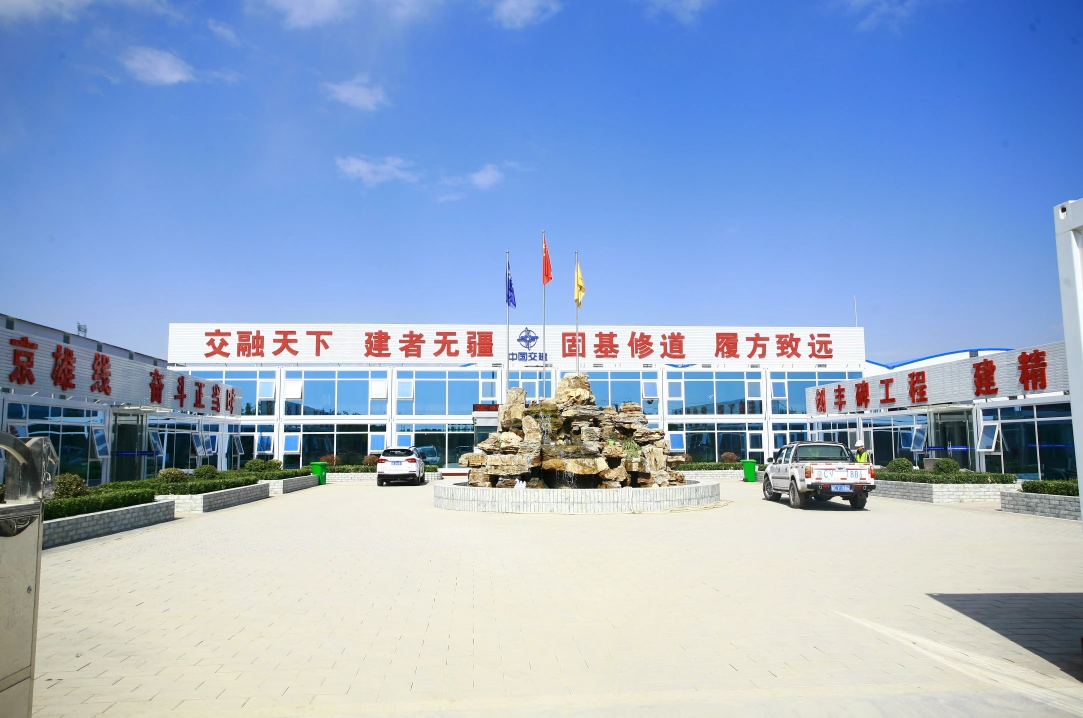
Engineering camps have evolved beyond basic lines of short-term rooms. In areas like mining sites, oil and gas fields, major infrastructure works, and international EPC projects, these camps now form complete living setups. Modern engineering camps typically include dormitories, canteens, offices, medical facilities, storage areas, and sanitation units. Project timelines are becoming increasingly tight, labor costs continue to rise, and many project locations are remote and challenging.
Given these conditions, prefabricated modular construction has shifted from a mere option to the primary method for engineering camps. Firms such as GS Konut have created uniform modular camp setups that support worldwide contractors in places like Asia, the Middle East, Africa, and South America. As a result, modular construction has become a practical solution for modern engineering camp development. It focuses on efficiency in time, expenses, adaptability, and lasting benefits.
Prior to exploring particular items and setups in detail, it proves useful to grasp why engineering and construction camps nowadays call for a fresh building method compared to a decade ago.
Why Engineering and Construction Camps Require Modular Solutions Today
Owners of projects face intense demands to launch activities swiftly. Be it a road initiative in Africa or a mining operation in Southeast Asia, any holdup translates to daily financial losses. Standard concrete camp structures frequently fail to align with such tight schedules, since they demand extended site setup, various worker groups operating one after another, and they suffer greatly from weather disruptions.
Meanwhile, expectations for camp quality keep growing. Employees seek improved living setups. Customers insist on meeting rules for safety, fire protection, and eco-friendly practices. Camps no longer serve as mere short-term shelters. Instead, they function as organized facilities.
Key Benefits Of Modular Construction
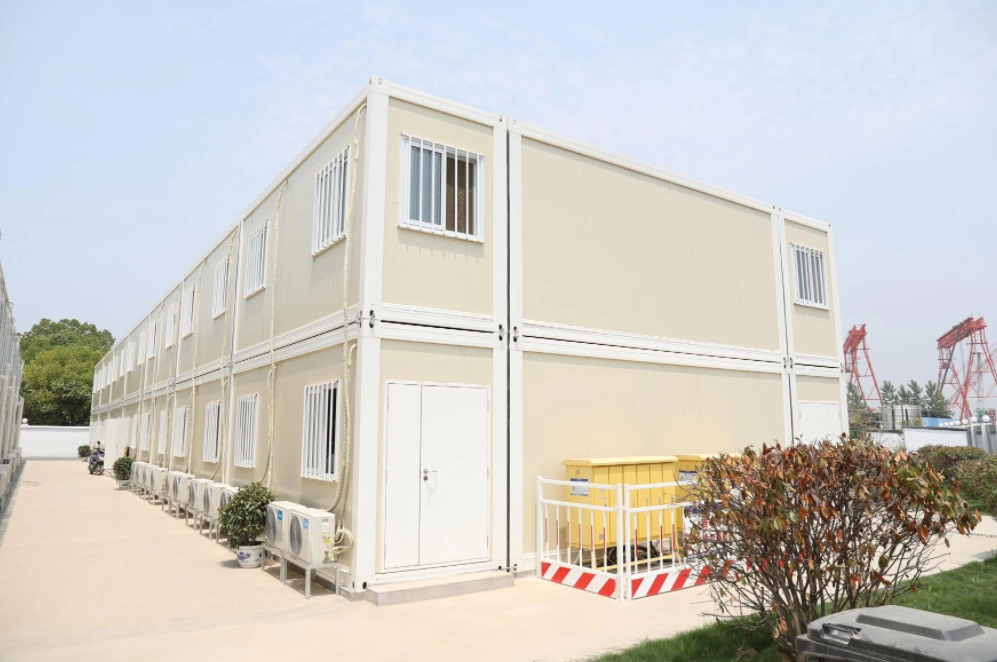
Prefabricated modular buildings get made in controlled factory settings, where frameworks, side panels, power systems, entries, and openings come pre-fitted. These modules are then transported to the project site for final assembly. Such a factory-based process ensures reliable standards and steady schedules.
When it comes to engineering camps, this setup allows building work to progress even if the site remains partly unprepared. Base preparation and module creation can occur side by side. This parallel process can reduce the overall project schedule by several days or even weeks.
A further big plus lies in steady quality levels. Factory work adheres to tight procedures. Metal frames get joined under steady conditions. Protective layers go in place properly. As a result, this cuts down field errors that commonly arise during hand-built efforts.
Comparison With Traditional Construction Methods
Standard concrete camp structures depend a lot on nearby worker abilities and outdoor weather. The process of concrete setting demands time. Tasks like laying bricks, smoothing surfaces, and applying coats happen in stages. In addition, adverse weather conditions such as heavy rain can significantly delay construction progress.
On the other hand, modular approaches employ fastened metal frames and layered panels. The joining process stays dry and straightforward. Thus, even in outlying spots short on expert hands, skilled setup groups can finish structures in less time.
From a strength perspective, modular steel structures are lighter than reinforced concrete structures, yet they hold up well against wind forces and earthquake risks in numerous areas. For setups meant to last briefly or moderately, these options often suit better.
Relevance To Temporary And Permanent Camps
People often mistake modular camps as fit only for brief periods. In truth, numerous current modular designs aim for 10–20 years of use. If cared for rightly, they match the performance of usual buildings over time.
In cases of quick projects, sections can come apart and move elsewhere. For enduring industrial areas, they link into taller sleeping and work buildings. Adaptability forms a core part of the design.
Regarding pace and setup speed, flat pack container systems merit close look, particularly since they see wide use in big engineering camps.
How Flat Pack Container Systems Accelerate Camp Deployment
Flat pack container houses aim for smooth transport and fast joining. Key parts pack neatly, which shrinks transport space. At the site, they connect via fasteners and basic equipment.
Quick Assembly And Reduced Labor Needs
Flat pack modules from GS Housing feature planned uniform links. Supports, top frames, and side panels come pre-cut to align without tricky joining.
Installation teams can assemble modules quickly by following standardized installation procedures. Therefore, this cuts the demand for big groups of local workers. Contractors in far-off zones lacking trained help find this approach quite useful.
Minimal Site Preparation And Faster Deployment
Unlike concrete builds that call for deep bases and extended setting periods, modular camp structures typically require basic linear bases or flat concrete surfaces. In certain short-term efforts, in some temporary projects, steel foundations or simple support structures are sufficient.
Since these modules carry little weight, the ground needs less support. As soon as bases finish, the main build rises fast. It remains common for an entire camp area to take shape in weeks, not months.
Simplified Logistics And Material Handling
Flat pack setups cut transport needs by a good margin. This allows more units to be loaded into a single shipping container. In global efforts, this lowers transport fees directly.
At the location, managing stacks of bricks, cement packs, sand heaps, and metal rods becomes unnecessary. Supplies show up in tidy bundles. Consequently, this decreases mess on site and boosts safety measures.
Although quick setup matters a great deal, expenses frequently tip the scales in choices. Weighing modular camp builds against standard concrete camps sheds light on the money side.
Modular Camp Construction vs Traditional Concrete Camp Buildings: Cost Comparison
When comparing costs, one should go beyond just material rates per area unit. Factors like worker pay, schedules, scraps, and later reuse all play key roles.
Lower Construction And Labor Costs
Traditional concrete construction involves multiple labor-intensive processes: shaping forms, adding metal supports, pouring mixes, smoothing walls, and coating surfaces. Each phase piles on worker costs. In distant sites, housing and overseeing staff add further charges.
Modular methods trim field work by a wide amount. Factory tasks handle most of the load. Setup groups stay small and swift. Hence, savings often appear clear, above all for international EPC groups.
Reduced Waste And Resource Efficiency
Usual building generates discards like cracked bricks, extra mixes, and wrappings. Clearing and removing them costs both time and funds.
Factory making of modular pieces stays tightly managed. Cuts happen accurately. Discards drop low and frequently get reused right in the plant. Field scraps prove minimal.
Economies Of Scale With Standardized Components
Uniform module sizes enable mass output. Metal frames, side panels, entries, and openings produce in volume. Such volume drives down per-piece prices.
In vast camps holding scores or hundreds of rooms, the price edge sharpens. Uniformity also eases upkeep later, as replacement bits match up.
How Does Modular Construction Enhance Flexibility And Scalability
Engineering camps consist of more than isolated structures. They represent organized rollouts. A full camp covers sleeping areas, food halls, work zones, gathering spots, health units, storage buildings, and wash facilities. Every part needs to link smoothly.
Integrated Camp Systems: Dormitories, Canteens, Offices and Sanitation Units
Instead of planning each structure alone, modular camp designs draw on uniform pieces that join in varied patterns. Sleeping sections link to walkway networks. Food areas grow by placing pieces alongside. Work zones sit close to access points.
This joined planning turns the camp into a unified setup rather than loose buildings. For those running projects, it aids everyday oversight and protection protocols.
Easy Expansion And Retrofit Capabilities
Project workforce size often changes during different construction phases. Extra staff show up. Fresh teams join. Modular designs make growth simple. New pieces attach beside current ones, all without halting routine tasks.
Updates prove straightforward too. Inside arrangements adjust readily. Pieces gain better protection or fresh surfaces. The metal frame permits open inside planning.
Reusable And Relocatable Building Units
Once efforts wrap up, countless concrete structures face teardown. That leads to total loss of funds.
Modular pieces, however, break down and shift to fresh locations. This repeat use alters the money view. Upfront spending spreads over several efforts.
Adaptable Floor Plans For Various Camp Functions
Basic pieces arrange into solo spaces, paired rooms, shared work areas, or big meeting halls. Linking them flat or stacked builds taller structures.
Such flexibility lets builders fit camp layouts to effort length, weather patterns, and area rules.
What Sustainability Advantages Are Associated With Modular Camp Buildings?
Eco-friendly duties have become essential. Plenty of worldwide efforts now demand cuts in carbon output and smart use of supplies.
Reduced Environmental Impact And Waste
Since pieces pre-make in factories, site disruptions stay low. Noise levels drop, dust clears faster, and build scraps lessen. This holds special weight near towns or fragile nature spots.
Post-breakdown, pieces reuse rather than toss away. Thus, total supply use falls over time.
Energy-Efficient Design Features
Current modular setups employ protected layered panels for sides and tops. These offer heat control that eases needs for cooling or warming systems.
Openings and entries pick based on local weather. In warm spots, light-bouncing tops and good air flow plans lift inside ease.
Durable Materials And Long-Term Performance
Metal builds receive rust-proof layers. Side panels resist dampness and pests. Proper care stretches use for years. Strong build means less need for swaps and smaller eco effects down the line.
How GS Housing Delivers Standardized Modular Camp Systems for Global Projects
GS Housing is a professional manufacturer of flat pack container houses and modular steel building systems for engineering camps, construction sites, and industrial projects. The firm blends planning, production, transport strategy, and field setup advice.
Its uniform output lines handle big requests while holding steady standards. Build parts align with global rules, and designs ease moving and repeated joining.
For EPC groups and site planners, partnering with a proven modular provider cuts risks. From initial site mapping to end delivery, a system-focused method smooths camp rollout.
In quick-paced fields where time equals funds, prefabricated modular construction stands as more than a passing mode. It serves as a solid fix that weighs pace, expense management, adaptability, and enduring worth.
Engineering camps using modular systems go beyond short-term covers. They act as organized, growing, and repeat-use bases that travel with the effort’s full cycle. If you are planning an engineering camp project, GS Housing can provide modular camp planning, container house manufacturing, and installation guidance for global EPC and construction companies. Contact our team to discuss your project requirements.
Sık Sorulan Sorular
Q1: Are modular engineering camps strong enough for harsh climates?
A: Yes. Modern modular steel structures are designed to meet wind load and seismic standards in many regions. With proper foundation and anchoring, they can perform well in strong wind and challenging weather conditions.
Q2: How long can a modular camp building last?
A: Depending on materials and maintenance, many modular camp buildings are designed for 10–20 years of service life. Some projects even use them longer with periodic upgrades.
Q3: Can modular camp buildings be relocated after project completion?
A: Yes. One key advantage is reusability. Units can be dismantled, transported, and reassembled at a new site, which helps recover investment across multiple projects.



